Live streaming a corporate event in Singapore: costs & how it works
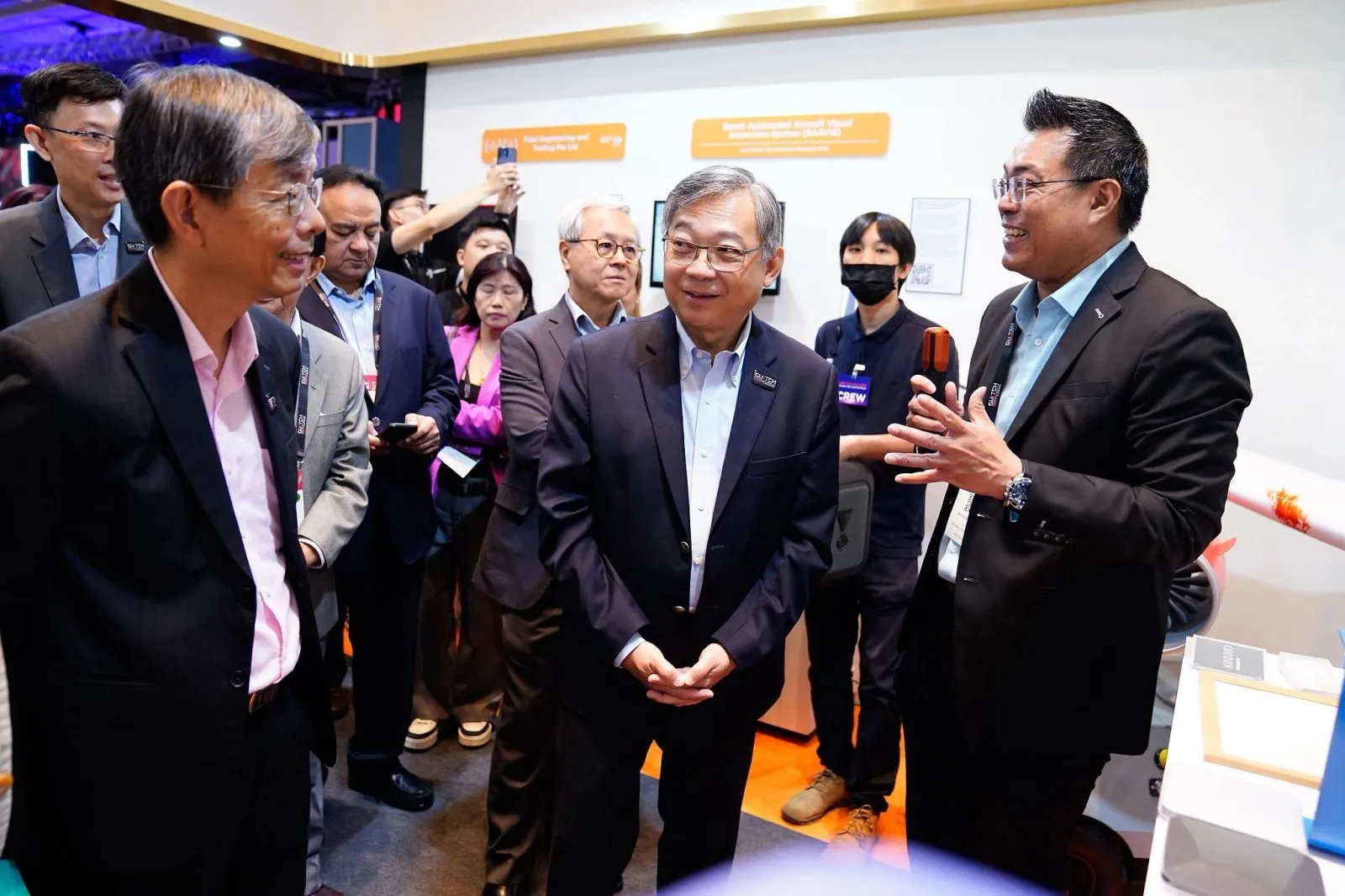
Since 2020, "can we stream it?" has become a standard line in Singapore event briefs — for AGMs with overseas shareholders, conferences selling virtual passes, and government ceremonies with audiences beyond the hall. The technology is mature. The difference between a broadcast that feels professional and one that feels like a video call comes down to planning decisions made weeks before the day.
Key takeaways
- Typical cost: single-camera webcasts start in the low thousands; a multi-camera hybrid conference stream runs from the mid-four to low-five figures in Singapore.
- Biggest quality factor: clean audio taken from the venue PA desk — not a camera microphone.
- Answer this first: does the venue have a dedicated wired line with a guaranteed upload speed?
- Non-negotiable for high-stakes streams: dual encoders plus a bonded 4G/5G backup path.
- Efficiency win: run streaming, video and photography through one crew.
What a professional event stream involves
- Multiple cameras, mixed live.A single locked-off camera reads as CCTV. A stage wide, a speaker close-up and a roaming or audience angle — cut live by a vision mixer — reads as television.
- Audio from the house system, not a camera mic.The single biggest quality gap between amateur and professional streams is sound. We take a clean feed from the venue's PA desk and monitor it separately.
- Live graphics.Speaker name-straps, sponsor loops, session slates and the presenter's slides mixed picture-in-picture.
- Redundant encoding and backup internet.Two encoders running in parallel, and a bonded 4G/5G backup path in case the venue line drops. The audience should never know either existed.
- Routing to wherever your audience is — YouTube, Zoom, Teams, or a private password-protected portal for closed-door sessions.
The five things that drive the cost
Streaming quotes in Singapore vary widely because the underlying builds vary widely. When you compare quotes, check what each assumes on these five points:
| Camera count | One camera is a webcast; three is a broadcast. Each camera adds an operator, a signal path and a seat at the mixer. |
|---|---|
| Programme hours | A 90-minute ceremony and a two-day conference are different productions — crew shifts, media management and standby time all scale. |
| Platform & privacy | Public YouTube is the simplest. Registered-viewer portals, Zoom webinars with Q&A moderation, or simultaneous multi-platform output add configuration and rehearsal time. |
| Graphics package | Name-straps and a holding slide are standard. Full sponsor reels, live polls, multi-language subtitle lanes are a bigger build. |
| Redundancy level | For a keynote that cannot fail — a minister speaking, a listed-company AGM — dual encoders and bonded backup internet are non-negotiable and priced in. |
As a rough market orientation for Singapore: simple single-camera webcasts start in the low thousands; a properly crewed two-to-three-camera hybrid conference stream typically lands in the mid four figures to low five figures depending on the points above. Anyone quoting without asking about your venue's internet hasn't planned your stream — they've priced a guess. We return a fixed, itemised quote within one business day of seeing a programme.
Webcast vs broadcast: which do you need?
Two builds cover most Singapore events. Here is how they compare, so you can match the production to the stakes:
| Single-camera webcast | Multi-camera broadcast | |
|---|---|---|
| Best for | Internal briefings, webinars, budget-conscious streams | Conferences, AGMs, ceremonies, sponsor-facing events |
| Cameras | 1 locked-off angle | 2–4 angles, cut live by a vision mixer |
| Audio | PA feed | PA feed, monitored and mixed separately |
| Graphics | Holding slide | Name-straps, slides, sponsor loops, lower-thirds |
| Redundancy | Single path | Dual encoders + bonded backup internet |
| Feel on screen | Functional | Broadcast television |
The venue internet question
The first thing we ask any venue: is there a dedicated wired line for broadcast, and what is its guaranteed upload speed? Shared conference Wi-Fi — even at premium venues — is built for delegates' laptops, not a continuous 10–20 Mbps outbound video stream. Marina Bay Sands, Suntec and most major Singapore venues can provision dedicated lines with notice, at a cost worth budgeting early. Where a line isn't possible, we bring bonded cellular units — and we test them in the actual hall, because basement ballrooms eat signal.
What goes wrong (when it goes wrong)
- Audio hum from an unbalanced PA feed — solved with isolation transformers at soundcheck, unsolvable at 9:01am live.
- Copyright music muting a public stream.Walk-in playlists can trigger automated takedowns on YouTube and Facebook mid-broadcast. We flag licensing before the day.
- The "one rehearsal we skipped."Streams fail on transitions — the video that wouldn't play, the hybrid speaker who can't be heard. A 30-minute technical rehearsal the evening before removes almost all of it.
Live streaming FAQs
How much does it cost to live stream an event in Singapore?
Single-camera webcasts start in the low thousands. A properly crewed two-to-three-camera hybrid conference stream typically runs from the mid-four to low-five figures, depending on camera count, programme hours, platform, graphics and redundancy. We return a fixed, itemised quote within one business day of seeing your programme.
What internet speed do I need to live stream?
Plan for a stable 10–20 Mbps dedicated upload for a professional HD/4K stream. Shared conference Wi-Fi is not sufficient. Where a wired line is unavailable, we bring bonded 4G/5G units and test them in the actual hall.
Can you stream to a private or password-protected audience?
Yes. We route to unlisted links, registered-viewer portals, or authenticated platforms such as Zoom Webinar and Microsoft Teams, so the stream reaches exactly who it should.
What happens if the venue internet fails mid-stream?
A local recording runs continuously regardless, and dual encoding paths mean a single failure does not take the broadcast down. For high-stakes streams we also run a bonded cellular backup so the audience never notices.
One crew for stream, video and photos
Most of our streaming clients also need photography and a highlight film. Running all three through one crew means shared stage positions agreed once, one production manager, and camera positions coordinated to keep crews out of each other's shots. Same-day video highlight editing is quoted separately and depends on advance booking and editor capacity. Photography EXPRESS 24™ is free when agreed in the brief and fixed quote; it does not include a same-day video edit.
If a stream is on your programme, send us the venue and running order early — the streaming page covers our standard builds, and the internet question is the one worth answering first.
Let's talk
Planning an event in Singapore?
Send us your date, venue and programme. You'll get a considered production plan and a fixed quote within one business day.