Covering a 24-Hour Hackathon Without a Continuous Overnight Shoot
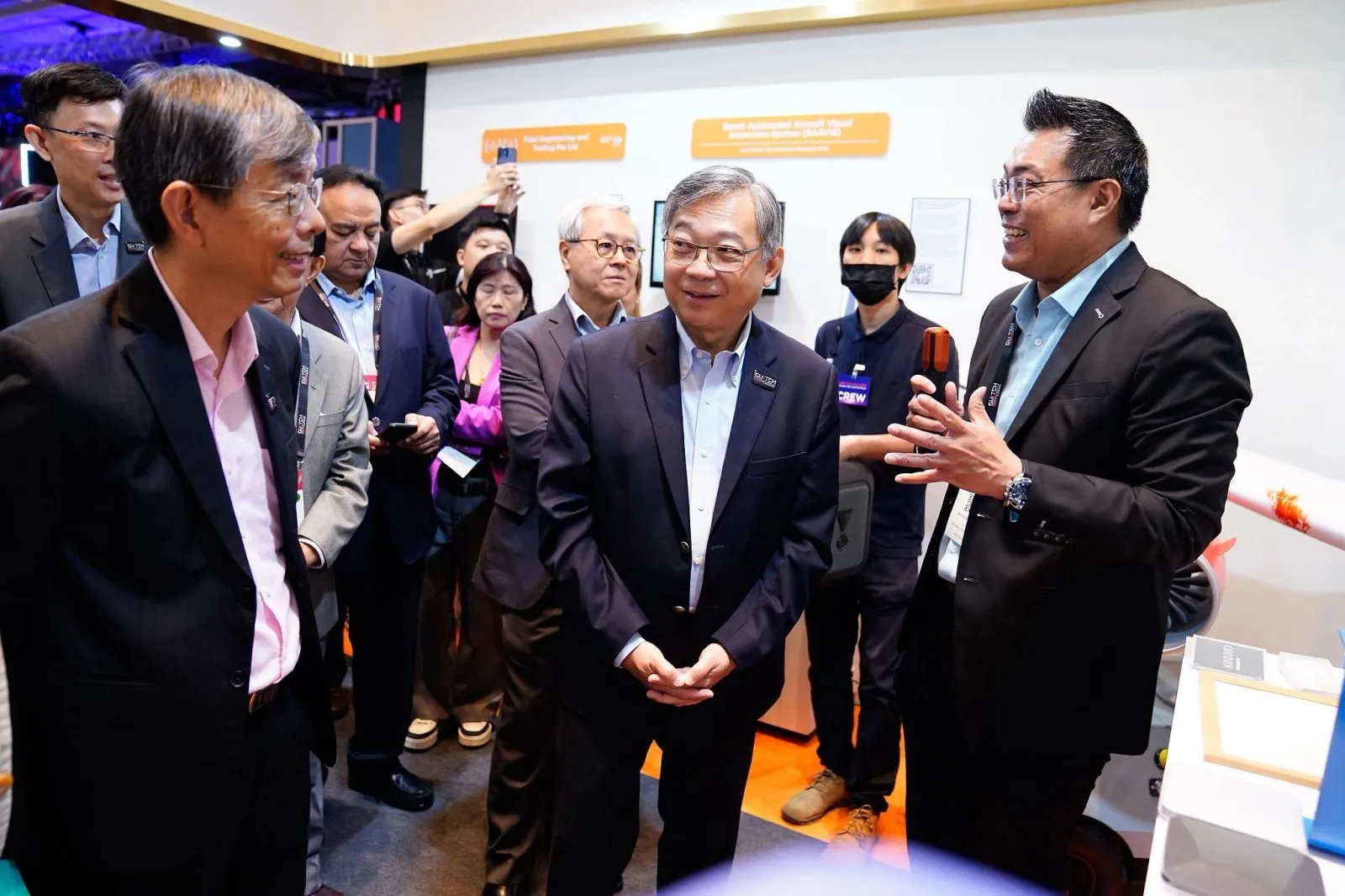
A 24-hour hackathon can be covered without a photographer staying on site for the full stretch, by planning shifts around the opening kickoff, selected overnight moments and the closing presentations rather than continuous coverage.
Key takeaways
- The photographer does not need to stay for the entire overnight stretch
- Overnight moments are selected in advance rather than covered continuously
- Opening and closing segments carry the most weight in the final photo set
- Splitting coverage into shifts usually works better than one long single-crew booking
- Share the schedule of key checkpoints, like judging or milestone demos, so a shift can be timed around them
Covering the opening kickoff and briefing
The opening segment of a hackathon usually sets the tone for the whole event, teams forming, the brief being announced, sponsors introducing the challenge, and it is worth covering thoroughly. This is also when energy and turnout are highest, which tends to produce the most usable photos for recap content and future promotion.
Brief the photographer on how teams are arranged, whether they sit at assigned tables or move freely, since that affects how coverage is planned. If there are sponsor booths or mentors circulating during the kickoff, flag those too, since sponsors often expect to see their branding represented in the final set.
A wide shot of the full room during the briefing, followed by closer coverage as teams start working, usually gives organisers the range of images they need for both a same-day social update and a longer recap afterwards. If there is a specific opening moment, like a countdown or a ceremonial start, mention it separately so it is not missed in the flow of general coverage.
Selecting key overnight moments rather than continuous coverage
A photographer does not need to stay for the entire overnight stretch of a 24-hour hackathon. Continuous coverage through the small hours rarely adds much to the final set, since most of that time is quiet, heads-down work with little visual change. Instead, the working approach is to select a handful of overnight moments worth capturing and schedule coverage around those specifically.
Useful overnight checkpoints usually include any midnight or early-morning milestone, such as a submission deadline, a mentor check-in round, or a food and energy break where teams gather informally. These moments tend to show the atmosphere of a hackathon, focus, exhaustion, camaraderie, better than a straight documentation shot of people typing at laptops.
Share your rough schedule of checkpoints when booking so the crew can plan a return visit or a shift change around them, rather than committing to open-ended overnight coverage that produces a lot of similar-looking frames.
Covering the closing presentations and awards
The closing segment, final presentations, judging and any awards, is usually the second priority after the opening, and often the part organisers use most in follow-up communications. Teams presenting their work, judges reacting, and the eventual winners being announced all make for a stronger recap than overnight work-in-progress shots.
Brief the photographer on how presentations are structured, whether teams pitch on stage, at their tables, or to a rotating panel of judges, since each format needs a different coverage approach. If there is a formal awards moment with certificates or prizes, treat it the way you would any awards segment, with attention to clean, well-lit shots of the winning teams.
If sponsors are presenting awards or judging, make sure that is flagged in the brief too, since sponsor visibility during the closing segment is often as important to them as the booth coverage earlier in the event.
Planning photographer shifts across a 24-hour format
Splitting coverage into shifts, rather than booking one continuous 24-hour block, usually works better for both budget and photo quality. A common pattern is a shift covering the opening and early evening, a gap through the quiet overnight hours with only the pre-agreed checkpoints covered, and a second shift for the closing presentations and awards.
Decide upfront whether the same photographer returns for both shifts or whether a different photographer covers the closing segment. Continuity has its advantages, since one person carries context of the event throughout, but a fresh photographer for the closing segment can also work well if the gap between shifts is long.
Share this shift plan with the crew as early as possible, along with the venue's access arrangements for an overnight event, so logistics like entry passes or quiet-hour access are sorted before the day rather than worked out on site.
Getting same-day highlights out while the event is still running
Organisers often want something to share on social media or an internal channel while the hackathon is still underway, especially during the opening rush when energy and turnout are highest. Flag this at the briefing stage if it matters to you, since it changes how the photographer prioritises editing time between shifts rather than saving everything for one final batch.
A short set of edited selects from the opening, delivered before the overnight gap begins, gives organisers something to post while teams are still working, which tends to land better than a recap published well after the event has wrapped. The same applies at the close, a quick highlight batch from the awards segment travels further on the day than a full gallery delivered later.
Standard delivery for a full edited gallery is within 48 hours of the event. If a faster same-day turnaround for specific moments matters more than the complete set, say so when booking so it can be built into the shift plan from the start.
Questions organisers ask
Does the photographer stay for the entire overnight stretch?
No, the photographer does not need to stay for the entire overnight stretch of a 24-hour hackathon. Coverage is usually planned as shifts around the opening, a small number of selected overnight checkpoints, and the closing presentations, rather than one continuous booking through the night.
How are overnight moments selected for coverage?
Overnight moments are chosen in advance based on the event schedule, usually around checkpoints such as a submission deadline, a mentor round or a break where teams gather. Sharing the rough overnight schedule when booking lets the photographer plan a return visit around those specific moments rather than shooting continuously.
Should the closing presentations be treated differently from a normal awards segment?
Not really, a hackathon's closing presentations and awards can be briefed much like any other awards segment, with attention to clean coverage of teams presenting and winners being announced. If sponsors are involved in judging or presenting prizes, flag that separately so their visibility is covered too.
Organising a 24-hour hackathon and want coverage planned around the moments that matter, share your schedule with us and we will work out a shift plan that fits.
Related reading: Event Photographer Singapore · Corporate Video Production Singapore.
Let's talk
Planning an event in Singapore?
Send us the date, venue and programme. You will get a considered production plan and a fixed nett quote.