How to turn your conference agenda into a working photography shot list
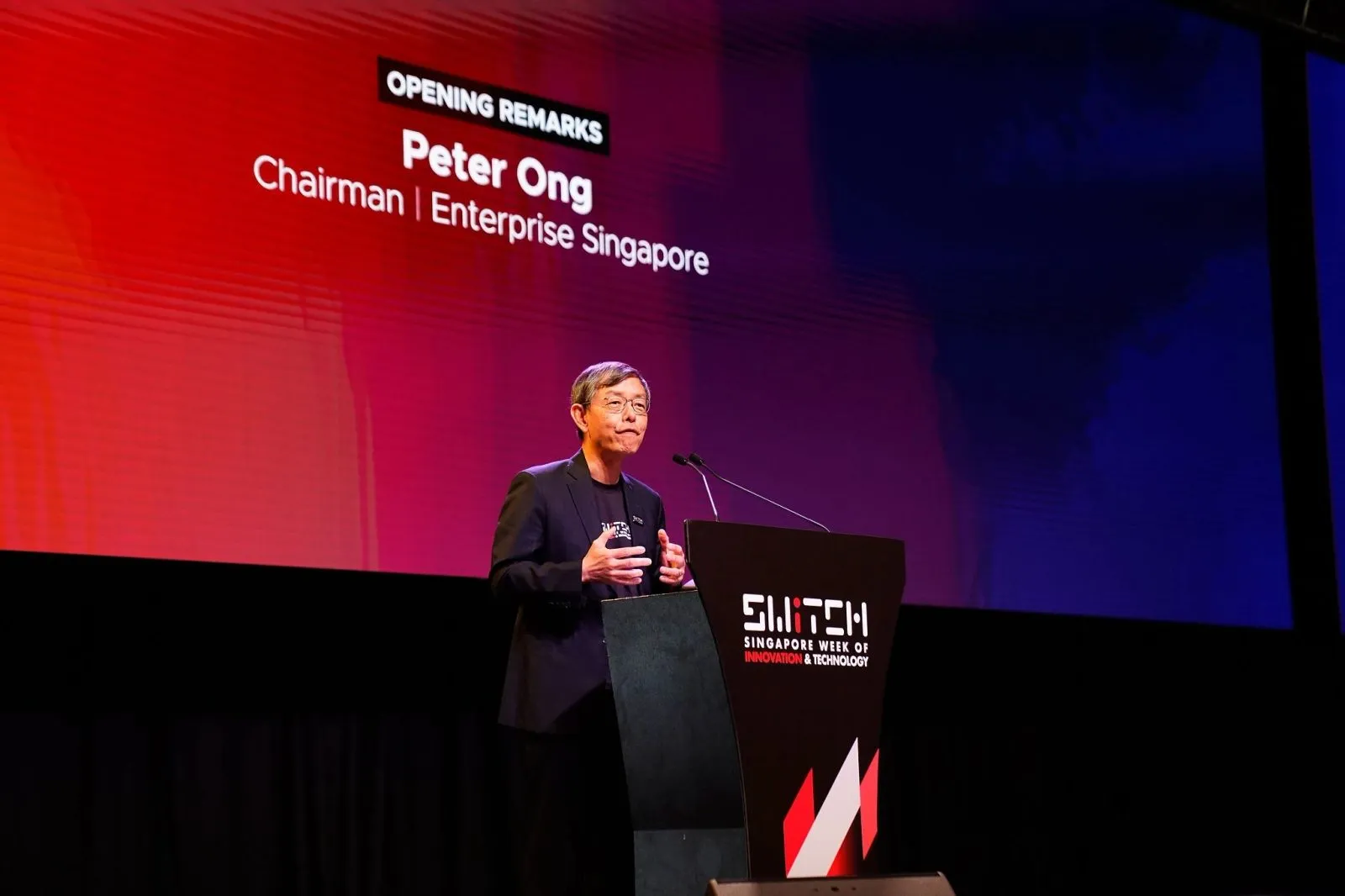
Turning an agenda into a shot list means going line by line through the programme and noting, for each item, exactly what should be photographed, roughly when it happens, and who or what needs to be recognisable in the frame, rather than assuming the agenda alone tells the crew what to capture.
Key takeaways
- An agenda tells the crew when things happen; a shot list tells them what to capture
- Not every agenda item needs its own entry, but every distinct visual moment does
- Add reactions, transitions, and detail shots that never appear on the agenda itself
- Share the finished shot list with the crew before the event, not as a briefing on arrival
- Keep it usable on the day: short, ordered by time, and easy to scan mid-event
Reading the agenda for photographable moments
A conference agenda is written for attendees and speakers, listing session titles, timings, and room allocations. A photographer reading the same document needs to translate each line into a visual outcome. A keynote slot becomes a shot of the speaker on stage, wide venue context, and audience reaction. A panel discussion becomes a shot of the full panel, individual speaker close-ups, and the moderator.
Some agenda items translate directly, such as an award presentation or a ribbon-cutting moment, where the visual outcome is obvious. Others need a bit more thought, such as a networking break, where the useful shot is less about the schedule item itself and more about capturing genuine interaction happening during that window.
Turning each agenda item into a timed shot list entry
For each item worth capturing, note a rough time, the location if the event has multiple rooms, and a short description of what the shot should show. Rough time is usually enough; a shot list built around exact minutes tends to fall apart the moment the programme runs even slightly late, which happens often enough that flexibility is more useful than false precision.
Grouping entries by room or track also helps if the event runs concurrent sessions, since the crew needs to know at a glance which photographer is responsible for which part of the programme at any given time, following the usual approach of one photographer per concurrent room plus a roamer.
What to add beyond the agenda: reactions, details, transitions
The agenda only lists scheduled programme items, but some of the most useful event photos come from moments that never appear on a run of show. Audience reactions during a strong keynote, informal conversations during breaks, the registration desk in the first hour, branding and signage around the venue, and behind-the-scenes setup shots all add value to the final gallery without corresponding to a single agenda line.
It is worth adding a short section to the shot list specifically for these, separate from the timed programme entries, so the crew knows to actively look for them rather than treating the agenda as the entire brief.
Sharing the finished shot list with the photographer
A shot list is only useful if it reaches the crew with enough lead time to plan positioning and, for a multi-room event, to confirm who is covering what. Sending it a few days before the event, rather than handing it over on arrival, gives the photographer a chance to flag anything unclear, such as a VIP name they need to recognise or a room layout they have not seen before.
Keep the format simple. A short document ordered by time, with room labels if needed, is easier to reference mid-event than a long narrative brief, since the crew needs to check it quickly between moments, not read through it at length during the programme.
Adjusting the shot list once the crew arrives
Even a well-prepared shot list benefits from a short conversation with the crew before the event starts, walking through anything that changed since the document was sent, such as a speaker swap or a shifted timing. This is also the moment to confirm the single point of contact who can update the crew if the programme shifts further during the event itself.
Treat the shot list as a working reference rather than a fixed script. The crew will still use their judgement on moments the list did not anticipate, but a clear starting document means fewer of those moments get missed entirely.
A simple structure that works for most events
A workable shot list usually has three parts: a timed section following the agenda, a short list of recurring or open-ended shots such as reactions and detail coverage, and a list of named individuals the crew needs to recognise, whether VIPs, speakers, or sponsors with a promised deliverable. This structure covers most conference and exhibition formats without needing to be rebuilt from scratch each time.
Reusing this structure across events also makes it easier for a regular events team to brief a crew quickly, since the format stays familiar even as the specific content changes from one event to the next.
Keeping the shot list separate from the run sheet
It helps to keep the shot list as its own short document rather than burying it inside the full event run sheet, which is usually written for stage management and catering rather than for a photography crew. A run sheet lists every operational cue; a shot list only needs the moments that matter for coverage, pulled out and reordered around what the crew needs to know at a glance.
This separation also makes updates easier. When the programme changes, updating a short shot list is faster than reissuing an entire run sheet, and it keeps the photography document focused on exactly what the crew needs on the day.
Questions organisers ask
Does every agenda item need its own shot list entry?
No, routine agenda items with no distinct visual moment, such as a short administrative announcement, usually do not need a separate entry. Focus the shot list on items with a clear visual outcome, such as keynotes, panels, and award presentations.
What gets added to the shot list that isn't on the agenda?
Audience reactions, informal networking moments, registration and arrival shots, venue signage, and behind-the-scenes setup are all worth adding, since none of these appear as a scheduled item but often produce some of the most usable photos from the event.
How far in advance should the shot list be sent to the photographer?
A few days before the event is usually enough, giving the crew time to review it, ask questions about unfamiliar names or room layouts, and plan positioning for a multi-room programme.
If you want help turning your programme into a shot list the crew can work from directly, send us your draft agenda and we can build it with you.
Related reading: Corporate Event Photography Shot List: Free SG Template · Conference Photography Singapore · How Many Photographers Does Your Conference Need?.
More guides: When to finalise your event photography shot list.
Let's talk
Planning an event in Singapore?
Send us the date, venue and programme. You will get a considered production plan and a fixed nett quote.