Briefing a photographer for a townhall in your own office or business park
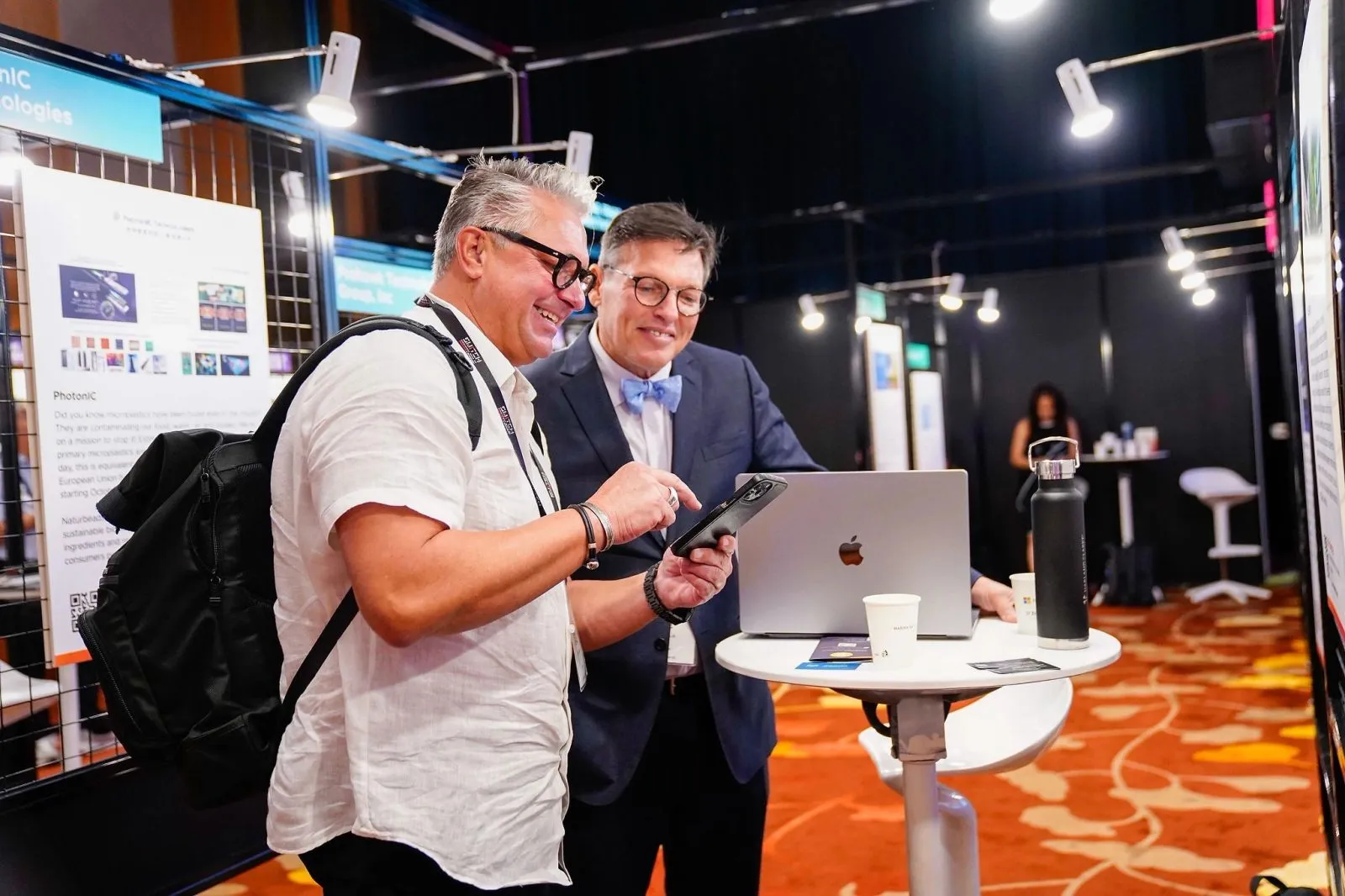
A photographer covering a townhall in your own office or a business park venue needs the same core brief as any event: date, timing and run of show, plus a few details a hotel would normally supply, such as room layout, lighting conditions and building access. Send these a few days ahead and a single crew can usually cover the whole session without a site visit.
Key takeaways
- Send room layout, screen position and seating arrangement ahead of time since an office venue has no in-house events team to fill the gaps.
- Note building access details early, including visitor registration, lift access and loading bay hours for any equipment.
- Expect the photographer to bring supplementary lighting, since office lighting is built for work, not for photography.
- A single photographer usually covers a straightforward townhall; add a second only for a simultaneous breakout, booth or filming alongside it.
Briefing a photographer for an office venue instead of a hotel
A townhall held in your own office or a business park function space is one of the more common bookings for a corporate crew, and the biggest difference from a hotel ballroom is what the venue does not provide. A hotel comes with its own event manager, house lighting rig and a banquet team who has run hundreds of similar sessions. An office or business park venue usually has none of that, so more of the planning sits with you and the photographer directly.
Start the brief the way you would for any event: date, start and end time and the run of show. Then add the details a hotel would normally have covered. Where is the presentation screen and which way does the room face? Is there a stage, or is the speaker standing at floor level in front of seated staff? Will there be a reception area outside the main room that also needs coverage? None of this needs a site visit beforehand. A clear written brief, ideally with a floor plan or a few phone photos of the space, is usually enough for the crew to plan positioning and lighting before arriving.
What layout details to send in advance
Because an office or business park venue has not been set up specifically as an event space, small layout details matter more than they would in a purpose-built hall. Send the photographer the seating or standing arrangement, and whether staff will be facing a stage, a screen, or seated in a U-shape or theatre rows. Note the position of windows, since strong daylight from one side of a room changes where a photographer sets up compared with a fully enclosed hall.
If there is a raised platform, lectern or backdrop for photos, mention it, along with where cables or extension leads will run so nobody sets a light stand on top of them. If the townhall moves between rooms, for example a main session followed by a walk-around or refreshments elsewhere, list that sequence in the order it happens. A short paragraph covering these points, sent a few days ahead, saves time on the day and means the crew is not working out the room from scratch while guests are already arriving.
Working within a smaller, non-standard event space
Office and business park venues are usually smaller than a hotel ballroom, and the photography style shifts to suit that. Wide establishing shots of a packed room give way to tighter framing on the speaker, the screen and small groups of staff reacting or applauding. A roaming photographer working a compact space needs to move without becoming part of the audience's sightline, a different discipline from covering a large room with more space to work from the back or sides.
Ceiling height and lighting fixtures in office buildings also vary a lot more than in a hotel function room, from low panels to an open-plan area with skylights. None of this rules out good coverage, but the photographer benefits from knowing what the room looks like beforehand rather than discovering it on arrival. A photo or two of the space, sent with the brief, does most of that work. For a townhall with a question-and-answer or open-floor segment, flag it too, since it changes where the crew positions to catch reactions rather than just the stage.
Coordinating with building access and security
An office or business park venue usually sits inside a building with its own access rules, and this is the step most often missed in a brief. Visitor registration, lift access cards, loading bay hours and whether building management needs advance notice of an external crew all vary by building. If the venue sits on a secured floor or needs a host to bring the crew up, say so early rather than leaving it for the morning of the event.
Most office townhalls need only camera bags and light stands a crew can carry in through a normal lobby, but if there is extra gear, such as a portable backdrop, checking lift size and loading dock hours in advance avoids a last-minute scramble. It is also worth confirming who the photographer should report to on arrival, whether that is your own event coordinator, a receptionist or building security, so there is no delay finding the right room once they are in the building.
Setting expectations for lighting and background in an office setting
Office lighting is built for working, not for photography, and that is the main adjustment to expect. Overhead panel lighting tends to be flat and can cast an unflattering colour on skin tones compared with the warmer, dimmable lighting in a hotel ballroom. A photographer working this kind of brief will usually bring supplementary lighting rather than rely on the room, particularly for posed shots such as a group photo or an executive's opening address.
Background is the other consideration. A meeting room or open-plan floor often has visible cabling, signage or other desks in the background that a hotel's plain event walls would not have. If there is a company backdrop, pull-up banner or a specific wall you would like used for key shots, mention it in the brief. Where none of that exists, the photographer will usually work with framing and depth of field to keep the background from competing with the subject, but it helps to know beforehand which parts of the room to avoid.
Comparing this to a full hotel ballroom booking
An in-office townhall is generally a more contained brief than a full corporate dinner or conference at a hotel. There is usually a single room, a shorter guest list and no need for the multi-photographer coverage that a concurrent multi-room conference requires, where the working rule is one photographer per room plus a roamer. For a straightforward all-staff townhall, a single photographer covering the stage, the room and a few candid moments is often enough, with a second person needed only for a simultaneous breakout, a photo booth or filming alongside the photography.
The trade-off is that an office venue asks more of you at the briefing stage, since there is no in-house events team filling the gaps. If your organisation runs townhalls regularly in the same office or business park space, it is worth keeping a short reference brief on file, covering the seating layout, access process and lighting notes, so each booking starts from a known baseline.
Questions organisers ask
Does a photographer need anything special for an office venue?
Not special equipment, but more information upfront. Because an office or business park venue does not come with an events team, the photographer relies on your brief for layout, lighting conditions and where the stage or screen will be. Most crews bring supplementary lighting as standard for this kind of booking, since office lighting is rarely built for photography.
How is a business park office briefed compared to a hotel ballroom?
A hotel ballroom booking can lean on the venue's own event manager and house lighting, so the brief is often shorter. An office venue needs more detail from you directly, including the room layout, seating arrangement, access process for the building, and any background you would like used or avoided in the shots.
Can the same crew cover a townhall and headshots on the same office visit?
Yes, this is a common combination for an office visit. Photographing the townhall first and running a short headshot station afterwards, or before the session starts, means one crew and one visit cover both needs. Flag both requirements in the brief so the crew can plan set-up time and equipment for each part.
Does a small in-office event still need a full production brief?
Not a full production brief in the way a conference or gala would need, but the same core details apply at a smaller scale: date, timing, run of show, room layout and access. Skipping these because the event feels informal is usually what causes avoidable delays on the day.
If you are planning a townhall or all-staff session in your own office or a business park venue, send us the date, room layout and a few photos of the space and we will work out the coverage from there. Get in touch to discuss your event.
Related reading: Corporate Event Photographer Singapore · MBS, Suntec & Singapore EXPO Event Photography Venue Guide · Corporate Event Photography Shot List: Free SG Template.
Let's talk
Planning an event in Singapore?
Send us the date, venue and programme. You will get a considered production plan and a fixed nett quote.