Community club event photography: covering multiple activity zones
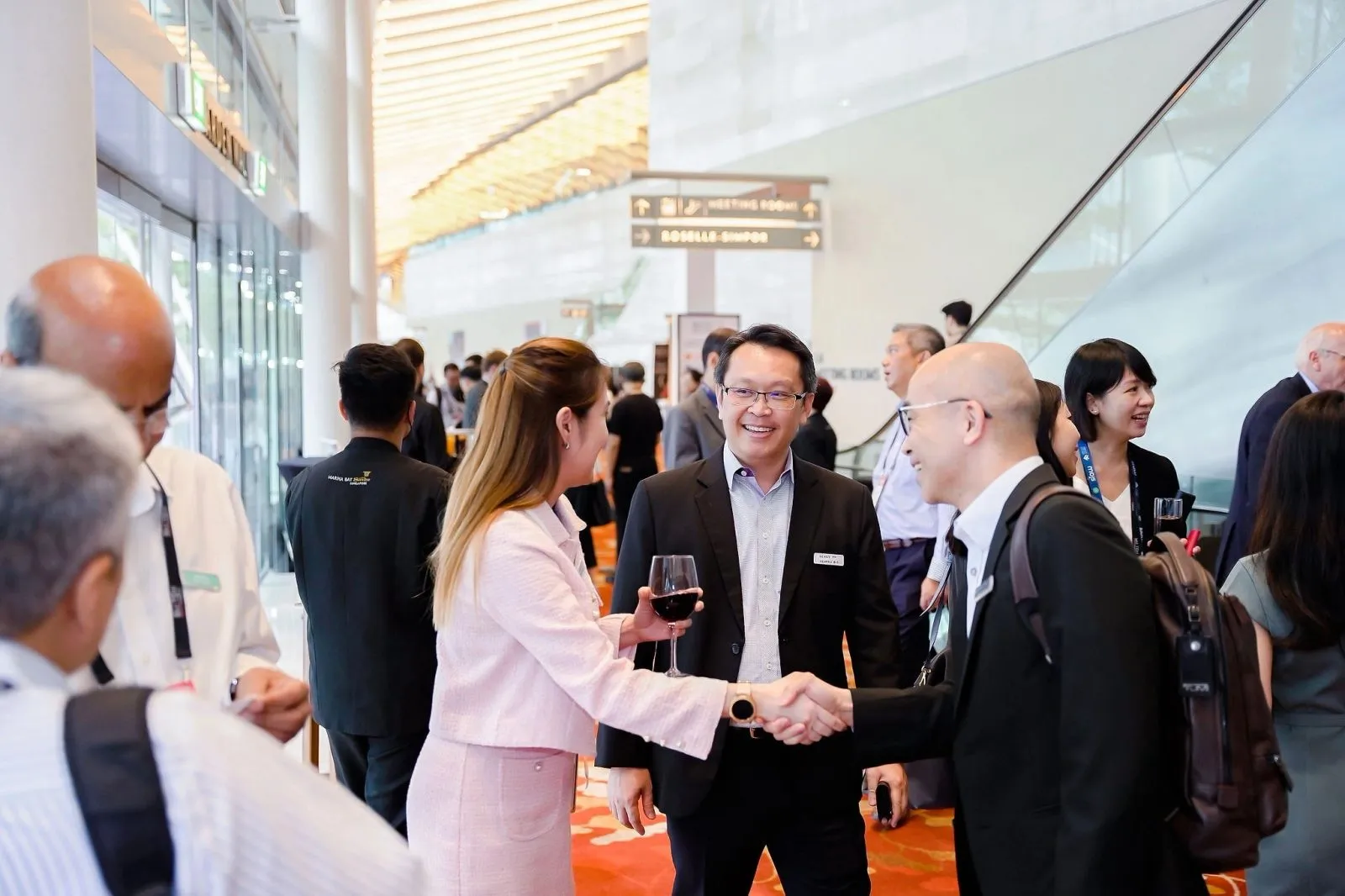
Community club events often run several activity stations at once, so coverage works best with a roaming photographer moving between zones rather than one fixed position. Coordinating a rough schedule with community club staff beforehand helps the photographer catch each activity's peak moment across the whole day.
Key takeaways
- Community events with multiple activity zones need a roaming photographer, not a fixed position at one stage or booth.
- Candid, informal coverage suits the tone of a community event better than posed, formal ceremony-style photography.
- A rough activity schedule from the community club helps the photographer prioritise which zones to visit and when.
- Delivered photos should be usable for the club's own outreach and social channels, not just an internal record.
Why community events run several activity stations at once
A typical community club event, a carnival, a festival celebration or a family day, rarely runs as a single programme in one location. Different activity stations run in parallel: games for children, a food corner, a stage performance, a health screening booth, sometimes all within the same community club hall or open field. Each station has its own small peak moment that a fixed-position photographer would miss entirely.
This is different from a seated conference or gala, where most of the interesting moments happen in one room facing one stage. A community event photographer needs a plan for covering multiple zones across the length of the event, not one position for the whole day, since the club usually wants a fair representation of everything on offer rather than heavy coverage of a single corner.
Roaming coverage versus fixed-position photography
A roaming approach means the photographer moves between activity zones on a loop, catching each station at a different point during the event rather than camping at one spot. This works better for community events because it captures the spread of activities rather than over-documenting a single area.
For larger events with several zones running at once, more than one photographer covering different areas in parallel can capture moments that a single roaming photographer would otherwise miss, particularly if two popular stations peak at the same time. Coordinating crew size for public sector and community events usually comes down to how spread out the activities are, not just how many attendees are expected.
Capturing family and resident engagement without feeling formal
Community events are meant to feel approachable, so the photography style should match: candid shots of residents enjoying activities work better than posed group photographs at every station. A photographer experienced with this kind of event knows to work quickly and unobtrusively, capturing genuine engagement rather than asking people to pose repeatedly through their visit.
This is a different skill from formal ceremony photography, where composed group shots and stage moments are the priority. Confirming this tone with the vendor beforehand, rather than assuming it, avoids a mismatch between the club's expectations and the coverage delivered. A short conversation about the desired feel, warm and candid rather than stiff and formal, is usually enough to set the right expectations.
Coordinating with community club staff on the day's schedule
A rough schedule of activity stations and their approximate timing, shared with the photographer before the event, makes a real difference to coverage quality. Even an informal outline, games in the morning, lunch at midday, a stage performance in the early afternoon, helps the photographer plan a route around the event rather than discovering the schedule as it unfolds.
It also helps to flag any segments the club particularly wants documented, such as a guest-of-honour visit or a specific activity the club wants to promote afterwards. Sharing this outline a few days ahead, rather than on the morning of the event, gives the photographer time to plan a sensible route between zones.
Delivering photos the club can use for its own outreach
Community clubs typically use event photos for their own newsletters, social media and outreach materials afterwards, not just as an internal record. Delivering a gallery organised by activity zone, rather than a single unsorted batch, makes it easier for club staff to pull the right images for a specific post or update later.
Fast delivery matters here too. Same-day social selects let a club post highlights from the event while residents are still talking about it, rather than waiting days for a full edited gallery. This works particularly well for a community event with its own social media page that stays active in the days after the event.
Questions organisers ask
Can one photographer cover several activity zones at a community event?
One photographer can cover a smaller event using a roaming approach, moving between zones on a loop rather than staying in one spot. Larger events with several zones running at once usually benefit from more than one photographer covering different areas in parallel throughout the day.
How is community event photography different in tone from formal ceremonies?
Community events call for candid, unobtrusive coverage of residents enjoying activities, rather than composed group photographs at every station. This is a different approach from formal ceremony photography, where stage moments and posed group shots are usually the priority throughout the whole programme.
What information should a community club share with the photographer before the event?
A rough schedule of activity stations and their approximate timing helps the photographer plan a route around the event rather than discovering it on the day. It also helps to flag any specific segments, such as a guest-of-honour visit, that the club particularly wants documented on the day.
Can event photos be delivered in a way that helps with the club's own outreach?
Yes, organising the gallery by activity zone and offering same-day social selects makes it easier for club staff to use the images for newsletters and social media soon after the event. This is more useful than a single unsorted batch delivered days later, especially for a club running an active social media page.
For more on planning photography coverage for community and public sector events, including crew sizing for multi-zone activities, see our government and public sector events page.
Related reading: Government Event Photography Singapore — GeBIZ-Registered · EXPRESS 24™ — Same-Day Event Photos & Video, Singapore · How Many Photographers Does Your Conference Need?.
More guides: Event photography for festivals and celebrations at community clubs · National day observance photography for community clubs · Booking video coverage for a grassroots community festival.
Let's talk
Planning an event in Singapore?
Send us the date, venue and programme. You will get a considered production plan and a fixed nett quote.