Covering a keynote theatre inside an exhibition hall
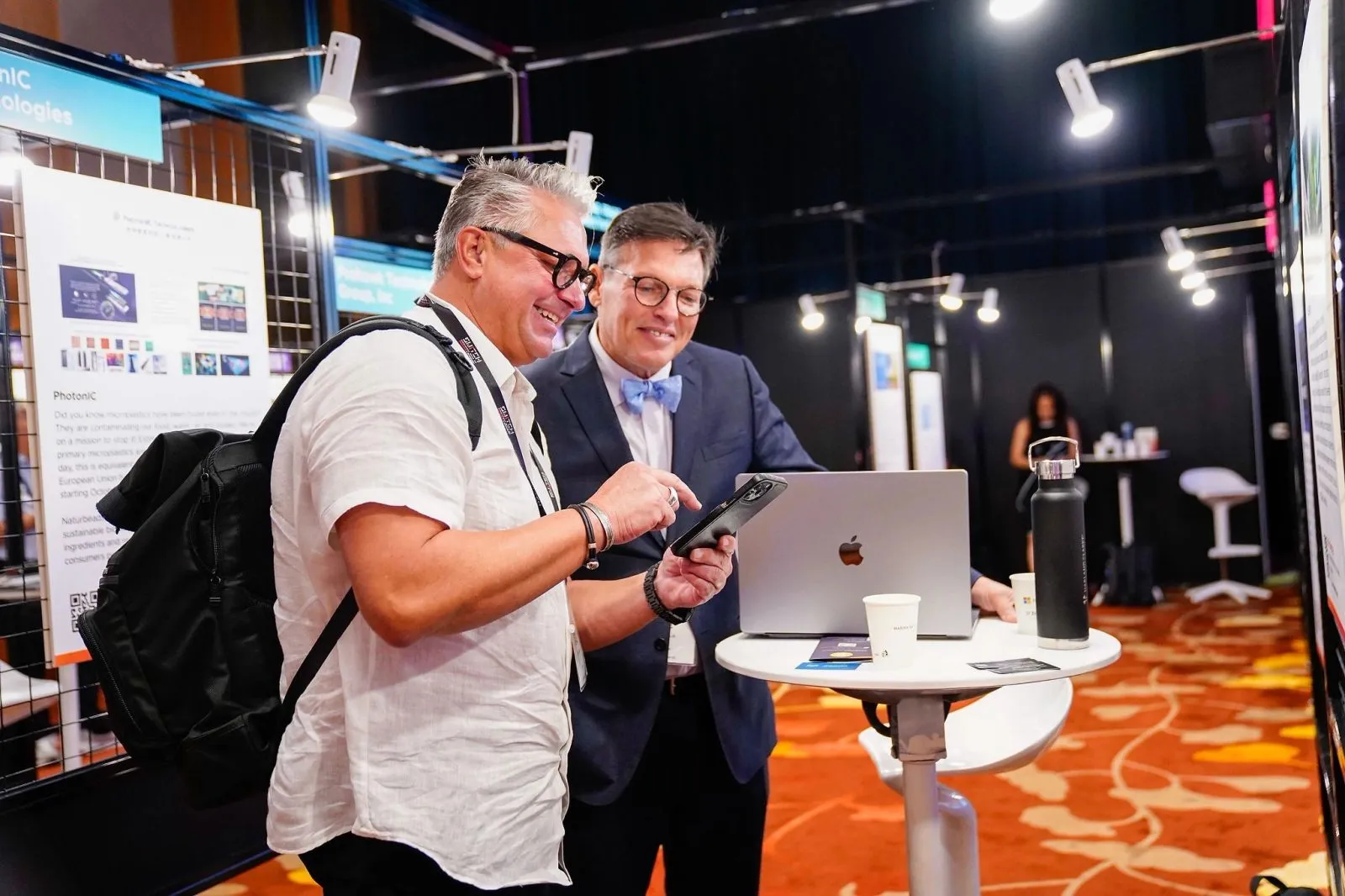
A keynote theatre running inside an exhibition hall needs its own coverage plan, separate from general booth and floor photography, because the two zones run on different schedules, different lighting and often need different photographers working at the same time.
Key takeaways
- A theatre programme inside a hall runs on a schedule the general floor coverage does not follow
- Splitting crew between theatre and floor keeps both zones covered without one draining attention from the other
- Stage lighting in a theatre differs from open aisle lighting and needs its own approach
- Build the day's photography schedule around published talk timings
- Brief the theatre as a distinct coverage zone, not an extension of general floor photography
Why a keynote theatre inside a hall needs its own coverage plan
Many exhibitions include a small stage or theatre area within the main hall, running a programme of talks, panels or product demonstrations alongside the general show floor. This creates two events happening at once under one roof: the scheduled theatre programme and the continuous, less structured activity of booths and aisles. Treating both as a single, general photography brief usually shortchanges one or the other.
The theatre runs on fixed timings, specific speakers at specific times, which calls for a photographer positioned and ready before each session starts. The general floor calls for a different, more roaming style of coverage that does not follow a fixed schedule. Without splitting these explicitly in the brief, a single photographer trying to cover both ends up missing theatre sessions while working the floor, or missing floor activity while sitting through a talk. This is one of the more common gaps organisers discover only after the gallery is delivered, when either the theatre speakers or the booth exhibitors feel under-represented.
Splitting crew between the theatre and the general floor
The practical solution is to assign coverage the way you would for concurrent breakout rooms at a conference: a photographer dedicated to the theatre, working from the published talk schedule, and a separate photographer or roamer covering the general floor. RS Photography works to one photographer per concurrent zone plus a roamer, and a hall combining a theatre with open exhibition space fits that same structure.
If your exhibition budget only allows for a smaller crew, decide in advance which zone takes priority at which times, rather than leaving it to the photographer to judge on the day. A clear instruction, such as prioritise the theatre during scheduled talks and the floor between sessions, gives a single crew a workable plan even without a full split team.
Lighting differences between a stage and open booth aisles
A theatre stage inside a hall is usually lit differently from the surrounding floor, sometimes with dedicated stage lighting and a darker audience area, sometimes simply using the hall's ambient lighting with a screen behind the speaker. Either way, this is a different lighting environment from booth aisles, which tend to be brighter and more evenly lit by the hall's general lighting and individual booth setups.
Flag this difference to your photographer so they can plan for both conditions rather than being caught adjusting settings mid-session. If the theatre uses a screen or projector behind speakers, mention it specifically, since a bright screen behind a subject is one of the more common lighting challenges a photographer needs to plan around in advance.
Scheduling around talk timings throughout the day
Build the theatre photography schedule directly from the published talk timings rather than a general instruction to check in periodically. Share the full theatre programme with your photographer before the show, including speaker names where possible, so they know exactly when to be in position and can plan floor coverage around the gaps between sessions.
If the theatre schedule changes during the show, which does happen at busy exhibitions, flag it to the crew quickly using the same approach you would for any other same-day programme change: a fast, direct message naming what moved and when, rather than assuming the printed schedule still holds. A photographer working from an outdated theatre schedule is as likely to miss a session as one working from an outdated conference run sheet, so the same discipline applies here.
Briefing this as a distinct coverage zone
When requesting exhibition photography for a hall that includes a keynote theatre, name it as its own coverage zone in the brief, the same way you would name a VIP walkthrough or a sponsor lounge. Describe the theatre's schedule, its lighting setup if known, and how you want crew time split between it and the general floor.
This clarity at the booking stage means the crew arrives already understanding the hall has two distinct rhythms to work with, rather than discovering the theatre programme once they are on site and adjusting on the fly. It also gives your team a clear reference point to check the delivered gallery against, confirming both the theatre sessions and the general floor received the coverage that was agreed.
Questions organisers ask
Can one exhibition photography crew cover both a keynote theatre and the general floor?
It is possible with clear priorities set in advance, but it works better with crew split between the two zones, similar to how concurrent breakout rooms at a conference are covered. A single photographer covering both will inevitably miss something in one zone while working the other.
How is coverage split between a theatre stage and booth aisles?
Typically one photographer is dedicated to the theatre, working from the published talk schedule, while a separate photographer or roamer covers the general floor. If only one crew member is available, agree in advance on which zone takes priority at which times.
Does a keynote theatre inside a hall need different lighting planning than the show floor?
Yes. Stage lighting or a bright screen behind speakers is a different environment from the more even, ambient lighting typical of open booth aisles, and it is worth flagging to your photographer before the show starts.
A theatre programme running inside your exhibition hall deserves its own plan. Talk to our exhibition photography team about splitting coverage between the stage and the floor.
Related reading: Exhibition & Trade Show Photography Singapore · Conference Photography Singapore · How Many Photographers Does Your Conference Need?.
More guides: Briefing sponsor booth coverage inside a conference programme.
Let's talk
Planning an event in Singapore?
Send us the date, venue and programme. You will get a considered production plan and a fixed nett quote.