Reviewing the run-of-show with your gala photographer beforehand
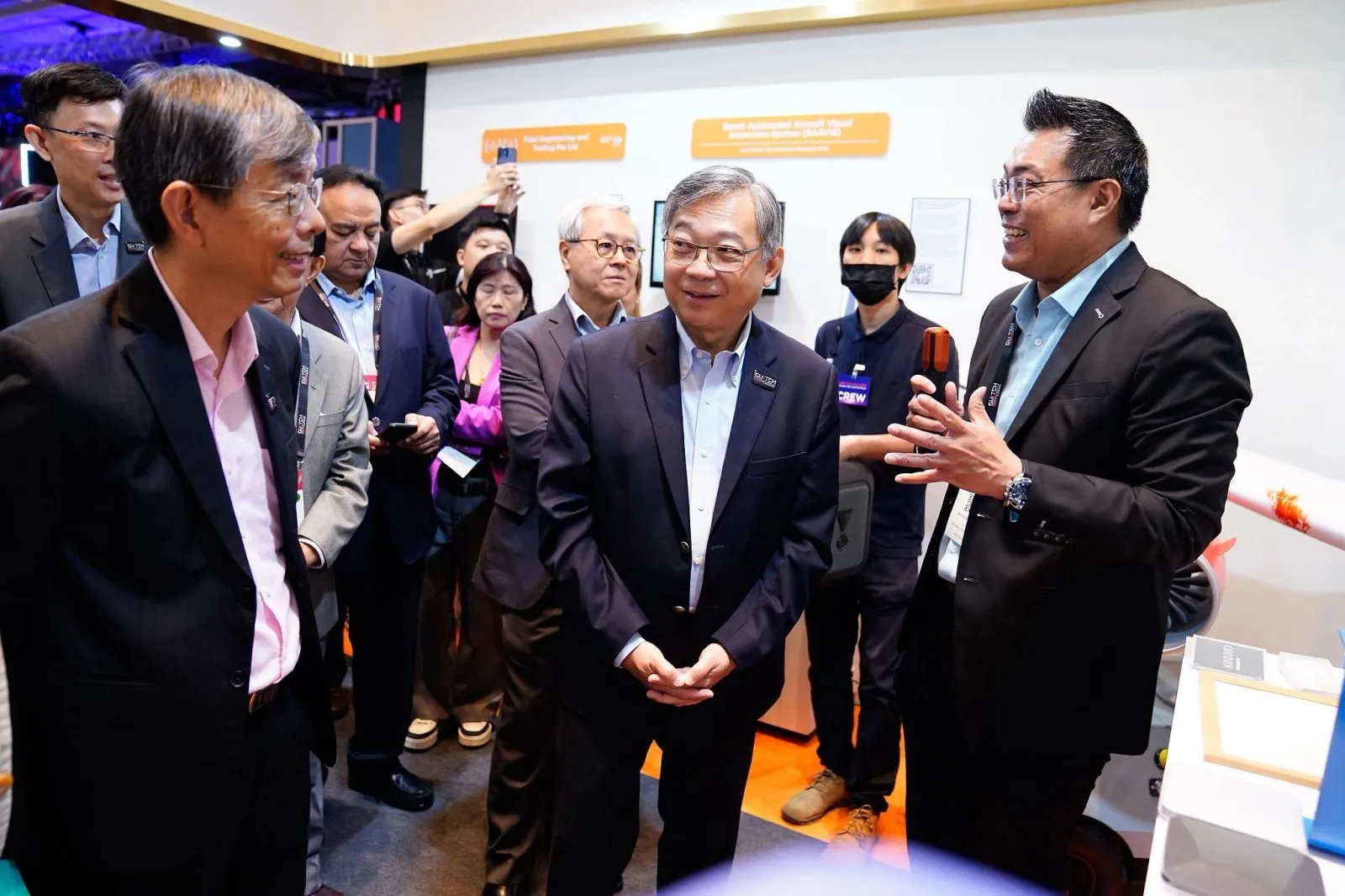
Sharing a gala's run-of-show with your photographer before the event lets them map crew positions to each programme segment in advance, rather than working out positioning live once the evening is already underway.
Key takeaways
- A run-of-show document turns a general booking into a segment-by-segment coverage plan.
- Flag which moments the emcee will call out formally, since these usually need a specific, timed shot.
- Map out where the crew should be positioned for each segment before the evening starts.
- Agree a simple way to communicate changes if the programme order shifts on the day.
Why a run-of-show document changes how a crew is positioned
A run-of-show is the sequenced list of everything happening through the evening, arrival, welcome remarks, dinner service, awards, performances, closing remarks, usually with approximate timings against each segment. Sharing this with your photographer before the event changes how they plan the evening entirely.
Without it, a crew works reactively, covering whatever is happening as it happens and often only realising a segment was significant after it has passed. With a run-of-show in hand, a photographer can plan positioning for each segment in advance and pace their own movement through the venue accordingly. This does not need to be a polished document, even a rough draft with approximate timings is far more useful than no programme at all, and it consistently produces more complete, better-timed coverage across the evening.
Flagging scripted moments the emcee will call out
Most gala programmes include a handful of moments the emcee will formally announce, an award recipient, a speech, a group photo call, a toast. These moments usually need a specific, well-timed shot, and missing one because the photographer was positioned elsewhere is hard to recover from once the moment has passed.
Going through the run-of-show and flagging each of these scripted moments explicitly gives the photographer a clear list of what needs to be captured and roughly when. Scripted moments and unscripted ones, emcee banter, spontaneous crowd reactions, need slightly different preparation, a scripted moment benefits from precise positioning, while an unscripted one benefits more from the photographer simply being alert and ready to react before the moment passes.
Mapping crew positions to each programme segment in advance
Once the scripted and significant moments are identified, the next practical step is mapping where the photographer, or each member of the crew if more than one is booked, should be positioned for each segment. A stage-facing position works for a formal award handover, but a different position, closer to the tables or near the entrance, works better for arrivals or a mingling segment.
Walking through the run-of-show segment by segment and noting a rough position for each one gives the crew a working plan rather than a list of moments to somehow be present for. This is particularly useful when segments happen in quick succession, since a photographer who has already planned their movement loses less time repositioning than one figuring it out as each segment begins.
Handling last-minute programme order changes on the day
Gala programmes rarely run exactly to the draft schedule, a speech runs long, a segment gets moved earlier to accommodate a guest's flight, the order of two award categories gets swapped at the last minute. A run-of-show shared in advance is still useful even when changes happen, because the photographer already understands the shape of the evening and can adjust their plan around a shifted segment.
Agreeing a simple way to communicate changes on the day, a quick word to the photographer or producer before a segment moves, helps the crew adapt smoothly rather than missing a moment because the schedule quietly shifted without anyone flagging it.
Sending the run-of-show ahead of the event, not on arrival
The value of a run-of-show depends heavily on when it is shared. A document handed to the photographer at arrival, minutes before the evening starts, gives little time to plan positioning or flag scripted moments properly.
Sending it a few days ahead, even in draft form, lets your corporate events photographer review it, ask questions about anything unclear, and arrive with a working plan already in mind rather than reading the schedule for the first time as guests begin arriving. If the run-of-show changes after it is first shared, which is common, a quick update closer to the event is worth sending too, so the photographer is working from the most current version rather than an outdated draft.
Questions organisers ask
Should I share the gala's run-of-show with the photographer before the event?
Yes, even a rough draft is useful. It lets the photographer plan positioning for each segment in advance, flag scripted moments that need precise timing, and pace their movement through the venue, rather than working reactively once the evening has already started.
What happens if the programme order changes on the day?
A run-of-show shared in advance is still useful, since the photographer already understands the shape of the evening and can adjust around a shifted segment. Agreeing a simple way to flag changes on the day, a quick word before a segment moves, helps the crew adapt without missing the moment.
How far in advance should a run-of-show be shared with a photographer?
A few days ahead where possible, even in draft form, rather than handed over on arrival. This gives the photographer time to review it, ask questions, and arrive with a working plan already in mind.
Does every segment on the run-of-show need a specific photographer position?
Not every segment needs the same level of detail, but scripted moments the emcee will call out, awards, speeches, a toast, benefit from a planned position and timing. Looser, unscripted segments mainly need the photographer alert and nearby rather than precisely positioned.
A shared run-of-show, even a rough one, turns a general photography booking into a segment-by-segment plan your crew can work from. Send it to your corporate events photographer well ahead of the evening, and flag any changes to the order as soon as they happen rather than waiting until arrival.
Related reading: Gala Dinner & D&D Photography Singapore · Corporate Event Photography Shot List: Free SG Template · Dinner & Dance Photography Singapore: Prices & Booking (2026).
More guides: Adapting your international run of show into a Singapore crew brief · Briefing a gala photographer on emcee and audience interaction moments.
Let's talk
Planning an event in Singapore?
Send us the date, venue and programme. You will get a considered production plan and a fixed nett quote.