Photographing an international pavilion inside a larger trade show
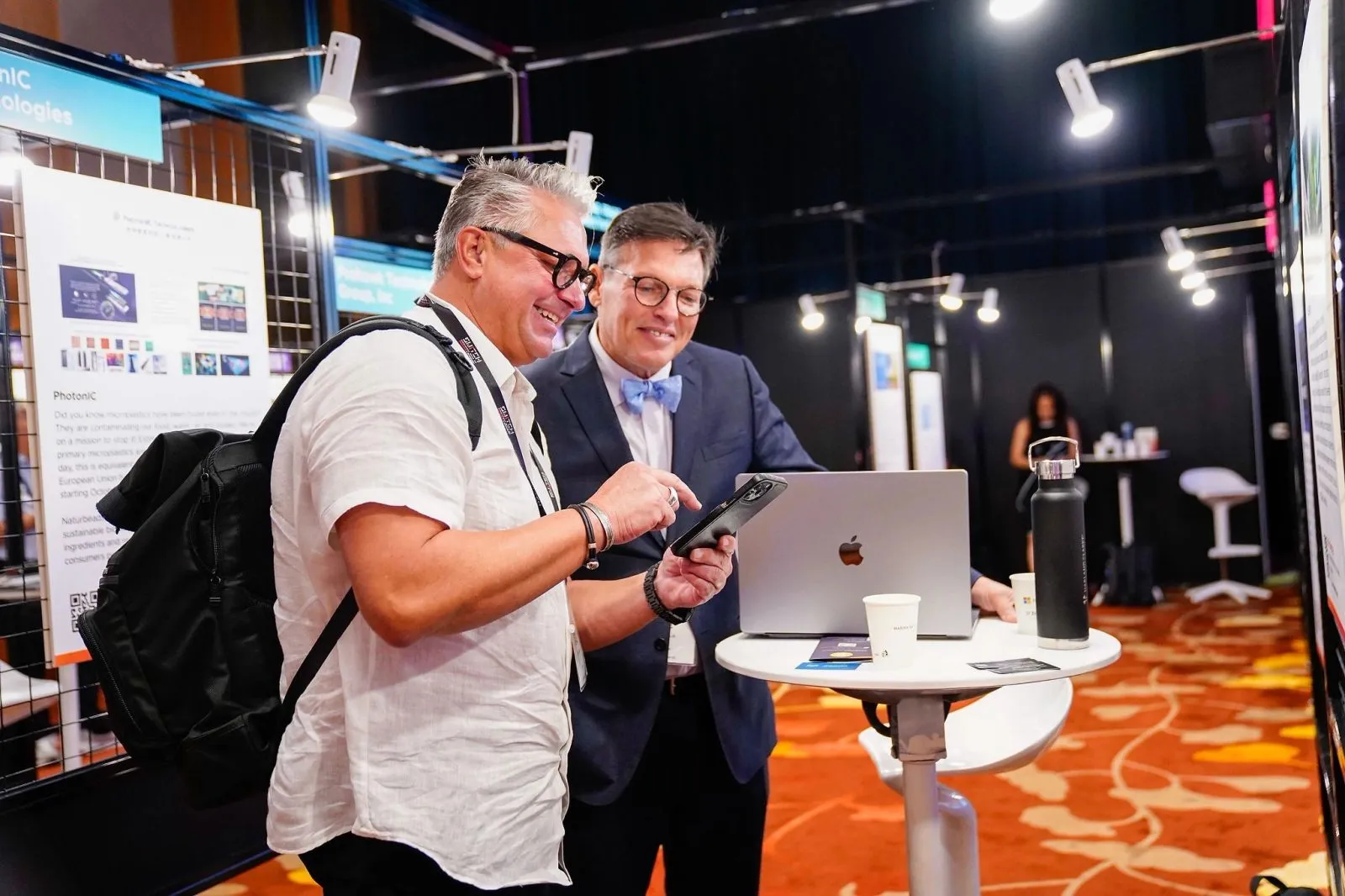
Exhibition photography for an international pavilion can be scoped to just that zone rather than the whole show floor. One brief covers the pavilion opening, every exhibitor booth under the flag, and delivers a single shared gallery that each exhibitor can draw images from. This suits a trade agency or chamber running its own delegation inside a larger show.
Key takeaways
- A pavilion can be booked as its own coverage zone inside a bigger exhibition, separate from the main show budget
- One shared gallery link works better than each exhibitor arranging separate coverage
- The pavilion's own opening or ribbon moment usually needs a dedicated shot ahead of the general floor opening
- A single coordinator briefing the photographer once avoids conflicting requests from different exhibitors
- Delivery should be split so each exhibitor can find their own booth quickly inside the shared set
Scoping coverage to a pavilion or zone, not the whole show
A national or regional pavilion inside a larger trade show is usually run by a trade agency, chamber of commerce or pavilion organiser, separate from the show's own organiser. That means photography can be quoted and briefed as a standalone job covering the pavilion footprint, rather than folding it into the whole floor's coverage. This keeps the budget with the pavilion coordinator and the deliverables focused on what that coordinator needs to report back to head office or member companies.
- Coverage area is defined by the pavilion's booth numbers, not the hall map
- Timing follows the pavilion's own programme, which often differs from the main show schedule
- The brief sits with one coordinator rather than the overall show organiser
Covering each exhibitor booth under one national flag
Inside a pavilion, each exhibitor still wants their own booth photographed, staff and product included, in the same way they would if they had booked a stand-alone booth package. The practical approach is a fixed round: a set number of frames per booth, shot in a consistent style, moving systematically down the row rather than waiting for each exhibitor to flag the photographer down. A roamer can pick up interaction shots, buyer meetings and product demonstrations between the fixed rounds.
- A consistent shot list per booth keeps quality even across the pavilion
- A walking order agreed in advance avoids missed booths or repeat visits
- Exhibitor requests for extra frames are best routed through the coordinator, not individually
Documenting the pavilion's own opening moment
Pavilions often have their own short opening, a ribbon cut by an ambassador, trade commissioner or country manager, timed before the general show floor opens to visitors. This moment needs a photographer positioned early, since VIP lineups shift right up to the last minute and the window to get the shot is short. It is worth briefing this separately from the general booth round, with a clear position and a backup angle in case the main sightline is blocked by staff or press.
- Confirm the VIP lineup order with the pavilion coordinator, not the general show organiser
- Position for the ribbon shot before the crowd builds
- Treat this as a distinct segment in the brief, with its own timing
Delivering a shared gallery for multiple overseas exhibitors
A pavilion typically brings together a number of exhibitor companies under one flag, most of them based overseas and unable to attend the handover in person. A single shared gallery, organised by booth number or company name, lets every exhibitor find their own set without a separate download link for each. Adding simple folder or tag labels at the point of upload saves back-and-forth later, especially once exhibitors have flown home and are working from a different time zone. Sending the coordinator one summary email with the link, rather than each exhibitor a separate note, also keeps the handover simple on both sides.
- Organise the shared gallery by booth number or exhibitor name from the start
- One link for the whole pavilion is easier to manage than dozens of individual ones
- Label folders before delivery, not after exhibitors start asking
Briefing a photographer for a pavilion coordinator
The coordinator running a pavilion is usually juggling exhibitor logistics, trade agency reporting and the show organiser's own rules, so the photography brief should be short and specific rather than open-ended. Useful information includes the pavilion's booth map, the opening programme if there is one, how many exhibitors expect individual coverage, and where the final gallery needs to be shared. Exhibition photography booked this way sits alongside, not inside, the main show's own vendor arrangements.
- Share the booth map and exhibitor count up front
- Flag any opening programme separately from general floor hours
- Confirm one delivery destination for the shared gallery
Questions organisers ask
Can exhibition photography be scoped to just a pavilion within a larger show?
Yes, a pavilion or zone inside a bigger trade show can be booked and briefed as its own coverage job, separate from the main show's photography arrangements. This keeps the budget and the shot list with the pavilion coordinator rather than the overall organiser.
How is delivery organised when a pavilion has multiple exhibitors?
The practical approach is one shared gallery covering the whole pavilion, organised by booth number or exhibitor name so each company can find their own set. This avoids sending a separate download link to every exhibitor individually.
Does the pavilion's own opening need separate coverage from the show floor opening?
Usually yes, because a pavilion's ribbon-cutting or opening moment is timed before the general show floor opens and has its own VIP lineup. It is worth briefing this as a distinct segment with its own positioning rather than folding it into general booth coverage.
Who should brief the photographer for a pavilion, the exhibitors or the coordinator?
The pavilion coordinator is the best single point of contact for the brief, since they hold the booth map, the programme and the exhibitor list. Routing individual exhibitor requests through the coordinator avoids conflicting instructions on the day and keeps the shot list consistent across the whole pavilion.
If you are coordinating a pavilion inside a larger trade show, exhibition photography can be scoped and quoted around your pavilion footprint rather than the whole hall. Overseas trade agencies bringing a pavilion into Singapore can also read our guide for organisers coming from abroad before the show dates are locked.
Related reading: Exhibition & Trade Show Photography Singapore · Singapore Event Crew for Overseas Organisers · Exhibition Booth Photography Singapore: An Exhibitor's Guide.
More guides: Briefing photography for an international pavilion's own opening · Adapting your international run of show into a Singapore crew brief · Photographing the networking lounge zone at your trade show.
Let's talk
Planning an event in Singapore?
Send us the date, venue and programme. You will get a considered production plan and a fixed nett quote.