Briefing Speaker and Audience Shots for a Masterclass
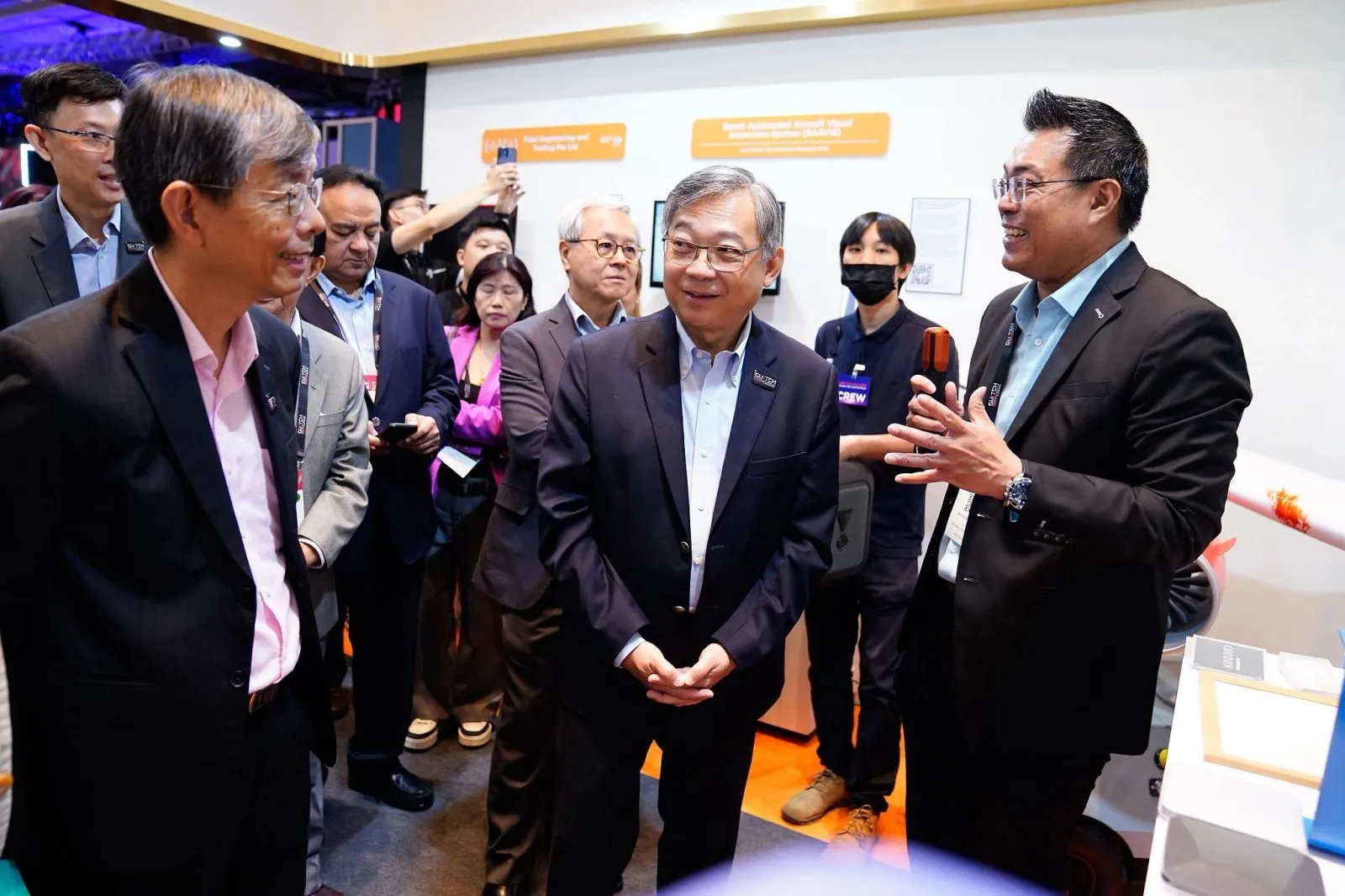
A masterclass brief should cover the guest speaker clearly throughout the session while also getting genuine audience reaction shots, without either one crowding out the other. The two work together to show both the content and the room's response to it.
Key takeaways
- Cover the speaker consistently through the session, not just at the opening
- Audience reaction shots work best when taken candidly rather than staged
- A masterclass brief differs from a general seminar brief mainly in pacing and interaction depth
- Share the session flow in advance so key moments are not missed
- One photographer can usually cover a single-room masterclass without needing a second
Capturing the guest speaker clearly throughout the session
A masterclass usually runs longer and more informally than a keynote, often with the speaker moving around, demonstrating something, or fielding questions mid-session rather than delivering a fixed speech from a podium. That changes how coverage should be briefed. Ask for continuous coverage through the session rather than just opening and closing shots, since the most useful moments, a demonstration, a whiteboard sketch, a hands-on exercise, tend to happen in the middle.
Flag the speaker's movement pattern if you know it in advance. A speaker who paces the room or works from a laptop at a side table needs a different camera position than one fixed behind a lectern. If there is a screen or slide deck involved, mention whether you want it captured alongside the speaker or kept separate, since both together in one frame usually reads better for a masterclass than a slide shot on its own.
If the speaker takes questions from the floor, briefing the photographer to watch for that shift in energy helps them anticipate the moment rather than react to it after it has passed.
Getting genuine audience reaction shots without disruption
Reaction shots are part of what separates a masterclass photo set from a straight lecture record. The audience in a masterclass tends to be more engaged, taking notes, trying an exercise, laughing at something the speaker said, and those moments are worth capturing deliberately rather than as an afterthought.
The brief here is about positioning, not intrusion. Ask the photographer to work from the side or back of the room for audience shots so they are not stepping in front of people or breaking the speaker's eyeline. A longer lens from a fixed position usually captures more natural reactions than moving in close, since attendees tend to relax back into the session once the camera is no longer directly in front of them.
If the masterclass includes a hands-on segment where attendees work individually or in small groups, that is often the richest window for candid shots, since attention shifts away from the speaker and people are less conscious of being photographed.
How this compares to a standard seminar brief
A standard seminar brief usually asks for coverage of the speaker, the audience as a whole, and a handful of wide room shots, with attention on clean, presentable images suitable for a recap deck. A masterclass brief asks for more of the interaction itself, the back-and-forth between speaker and attendees, the moments of participation, because that engagement is often the point the organiser wants to demonstrate afterwards.
Pacing also differs. A seminar typically follows a fixed run of show, so a photographer can plan coverage around known segments. A masterclass can move at the speaker's pace, with exercises running longer or shorter than planned, so briefing some flexibility into the coverage plan, rather than a rigid shot-by-shot schedule, usually produces a better set.
If your event sits somewhere between the two, a shorter formal segment followed by an interactive workshop, say so in the brief so the photographer can shift approach partway through rather than applying one style to the whole session.
Sharing the speaker's session flow in advance
Sharing the run of show, even an informal one, before the session helps the photographer plan without needing to interrupt the speaker to ask what happens next. A short outline of what the speaker plans to cover, any live demonstrations, and roughly when the Q&A or hands-on segment will happen is usually enough.
If the speaker has specific preferences, such as not wanting to be photographed from a particular angle, or wanting to be captured mid-demonstration rather than mid-sentence, pass that along too. A masterclass often has a more personal or informal tone than a corporate keynote, and speakers sometimes have opinions about how they are represented that are worth checking beforehand.
Where the photos will be used afterwards also shapes the brief. Coverage meant for a corporate events recap or an internal newsletter can lean more documentary, while coverage meant for external marketing or the speaker's own use may need a slightly more polished, portrait-style set alongside the candid shots.
Deciding whether one photographer is enough
For a single-room masterclass, one photographer can usually cover both the speaker and the audience without needing a second. The room is contained, the speaker's movement is limited to one space, and a single photographer can rotate between speaker-focused and audience-focused positions across the session without missing much.
A second photographer becomes worth considering if the masterclass runs across breakout groups at the same time, since one camera cannot realistically cover several simultaneous exercises happening in different corners of the room. It is also worth considering if the speaker and a specific attendee interaction, a live one-on-one demonstration, for example, both need dedicated coverage at the same moment.
If you are unsure, describing the room layout and format when booking usually settles the question quickly, since a photographer experienced with this kind of session can tell you whether a single crew member will be stretched too thin.
Questions organisers ask
Does a masterclass need anything special compared to a standard seminar?
The main difference is a heavier emphasis on interaction and candid audience engagement, since a masterclass tends to be more hands-on than a standard seminar. Briefing the photographer to expect movement, demonstrations and audience participation, rather than a fixed lectern format, usually produces a better set.
Can audience reaction shots be captured without being distracting?
Yes, working from the side or back of the room with a longer lens usually captures genuine reactions without the photographer stepping into anyone's eyeline. Attendees tend to settle once the camera is not directly in front of them, which is why positioning matters more than proximity for this kind of shot.
How much advance notice does the photographer need about the session flow?
A short outline shared before the session, covering the general structure, any demonstrations and roughly when questions or a hands-on segment happen, is usually enough. It does not need to be a formal run of show, but it helps the photographer plan positioning without interrupting the speaker to ask.
Planning a masterclass and want speaker and audience coverage briefed properly from the start, tell us about the session and we will work through the shot list with you.
Related reading: Event Photographer Singapore · Corporate Headshots Singapore.
More guides: Getting candid audience and Q&A shots at a conference · Briefing slide and speaker shots for published conference proceedings · Keeping coverage continuous through speaker changeovers.
Let's talk
Planning an event in Singapore?
Send us the date, venue and programme. You will get a considered production plan and a fixed nett quote.