Setting up an office meeting room for a headshot session
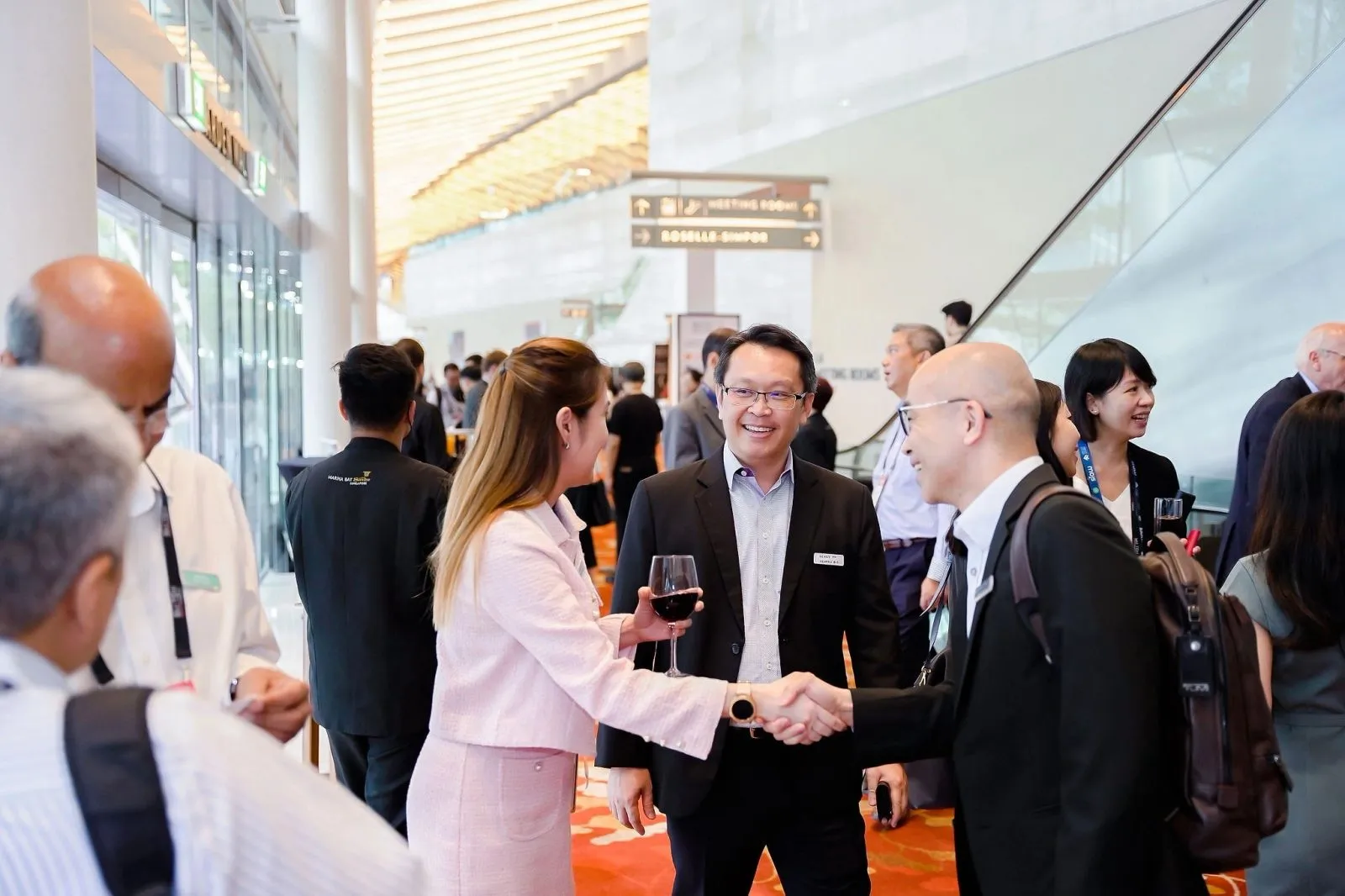
A headshot station set up in an office meeting room needs enough clear floor space for a backdrop and lighting stands, a reasonably high ceiling, and the room cleared of clutter and loose furniture before the crew arrives. A nearby waiting area also helps staff move through the session smoothly.
Key takeaways
- A meeting room needs enough clear floor space for a backdrop and lighting setup, not just a chair
- Ceiling height matters more than most people expect for a proper headshot lighting setup
- Clearing clutter and furniture before the crew arrives saves setup time on the day
- A nearby waiting area keeps staff moving through the session without crowding the room
- The photographer brings the lighting and backdrop gear; the office prepares the space
What space and ceiling height a headshot station typically needs
A headshot setup is more than a single chair against a wall. It typically needs a backdrop stand, one or two lighting stands positioned at angles to the subject, and enough distance between the subject and the camera for the photographer to work properly. A standard meeting room usually has enough floor space once the table is moved or the room is otherwise cleared.
- Allow clear depth between the backdrop and the camera position so the photographer has room to work
- Ceiling height matters for lighting stands, particularly if a softbox or umbrella is angled from above
- A room with low-hanging light fixtures or a ceiling fan directly in the setup area can limit positioning
- Confirm the room size with the photographer ahead of time if it seems tight
Most standard meeting rooms work fine once cleared, but checking dimensions in advance avoids a surprise on the day.
Lighting considerations for an interior meeting room
Meeting rooms vary widely in natural light, some have full-height windows, others none at all, and this affects how the photographer sets up their own lighting. A photographer generally brings portable lighting equipment specifically because interior rooms cannot be relied on for consistent light, but knowing what is available in the room helps them plan.
- Note whether the room has windows, and roughly what direction they face
- Overhead fluorescent lighting can sometimes be turned off during the session if it clashes with portable lighting
- A room with strong, uneven natural light may need blinds or curtains during the session
- Flag any unusual lighting, such as coloured accent lighting, that might affect skin tones in photos
This is mostly useful background for the photographer rather than something the office needs to solve; portable lighting equipment handles most interior conditions.
Clearing the room of clutter before the crew arrives
A meeting room used daily for internal meetings tends to accumulate whiteboards covered in notes, stacked chairs, cables and the odd forgotten mug. Clearing this before the crew arrives saves time that would otherwise go into moving furniture instead of photographing staff.
- Move tables and chairs not needed for the waiting queue out of the main shooting area
- Wipe or cover whiteboards if they are visible in the backdrop area
- Clear loose cables, boxes or stored equipment from the floor near the setup
- Check for anything on the walls near the backdrop position that might need to come down temporarily
None of this needs to be done far in advance; a tidy room on the morning of the session is usually enough.
Positioning near a waiting area for smooth staff flow
A headshot day for a larger team works best with a nearby space where staff can wait their turn without crowding the room being used for the shoot itself. A corridor, an adjacent meeting room, or even a section of an open office works, as long as it is close enough that the session keeps moving without long gaps between people.
- Identify a waiting space adjacent to or near the shooting room
- Share a rough schedule or sign-up slots so staff know roughly when to arrive
- Keep the waiting area separate enough that it does not distract the person currently being photographed
- A staff member coordinating the queue helps keep the day moving, especially for larger teams
This part is entirely within the office's control and makes a noticeable difference to how smoothly a headshot day runs.
What the photographer brings versus what the office prepares
It helps to be clear on the division of responsibility before the day: the photographer typically brings the camera, lighting, backdrop and any styling equipment, while the office prepares the room itself, clears the space, and manages staff scheduling through the session.
- Photographer brings: camera, lighting stands, backdrop, and any props or styling gear discussed in advance
- Office prepares: a cleared room of adequate size, a nearby waiting area, and a staff schedule or sign-up sheet
- Confirm any specific equipment needs, such as power point access, with the photographer beforehand
- Raise any room constraints, like limited ceiling height, as early as possible
A quick confirmation of this split before the session avoids any confusion about who is responsible for what on the day itself.
Questions organisers ask
What should be prepared in the office before a headshot session?
Clear the meeting room of loose furniture, cables and clutter, and set up a nearby waiting area so staff can queue without crowding the shooting space. A rough schedule or sign-up sheet also helps the day run smoothly for larger teams.
How much space does a headshot station need in a meeting room?
Enough clear depth between the backdrop and camera position for the photographer to work, along with enough ceiling height for lighting stands. Most standard meeting rooms work once cleared of tables and chairs.
Does the office need to provide lighting for a headshot session?
No, a photographer typically brings portable lighting equipment specifically because interior rooms cannot be relied on for consistent light. Noting the room's natural light and window direction in advance still helps the photographer plan.
Can a headshot session be done in any meeting room?
Most standard meeting rooms work once cleared, though very low ceilings or an unusually small footprint can limit setup options. Confirming the room's dimensions with the photographer ahead of time avoids a surprise on the day.
A well-prepared room makes a headshot day run faster for everyone involved. See our corporate headshots page for how on-site sessions are set up.
Related reading: Corporate Headshots Singapore · EXPRESS 24™ — Same-Day Event Photos & Video, Singapore · Corporate Event Photographer Singapore.
More guides: Booking a headshot session around an office renovation · What backdrop options work for an in-office headshot setup · How to plan session flow for a large corporate headshot day.
Let's talk
Planning an event in Singapore?
Send us the date, venue and programme. You will get a considered production plan and a fixed nett quote.