Quieter client seminar vs lively networking event: photography approach
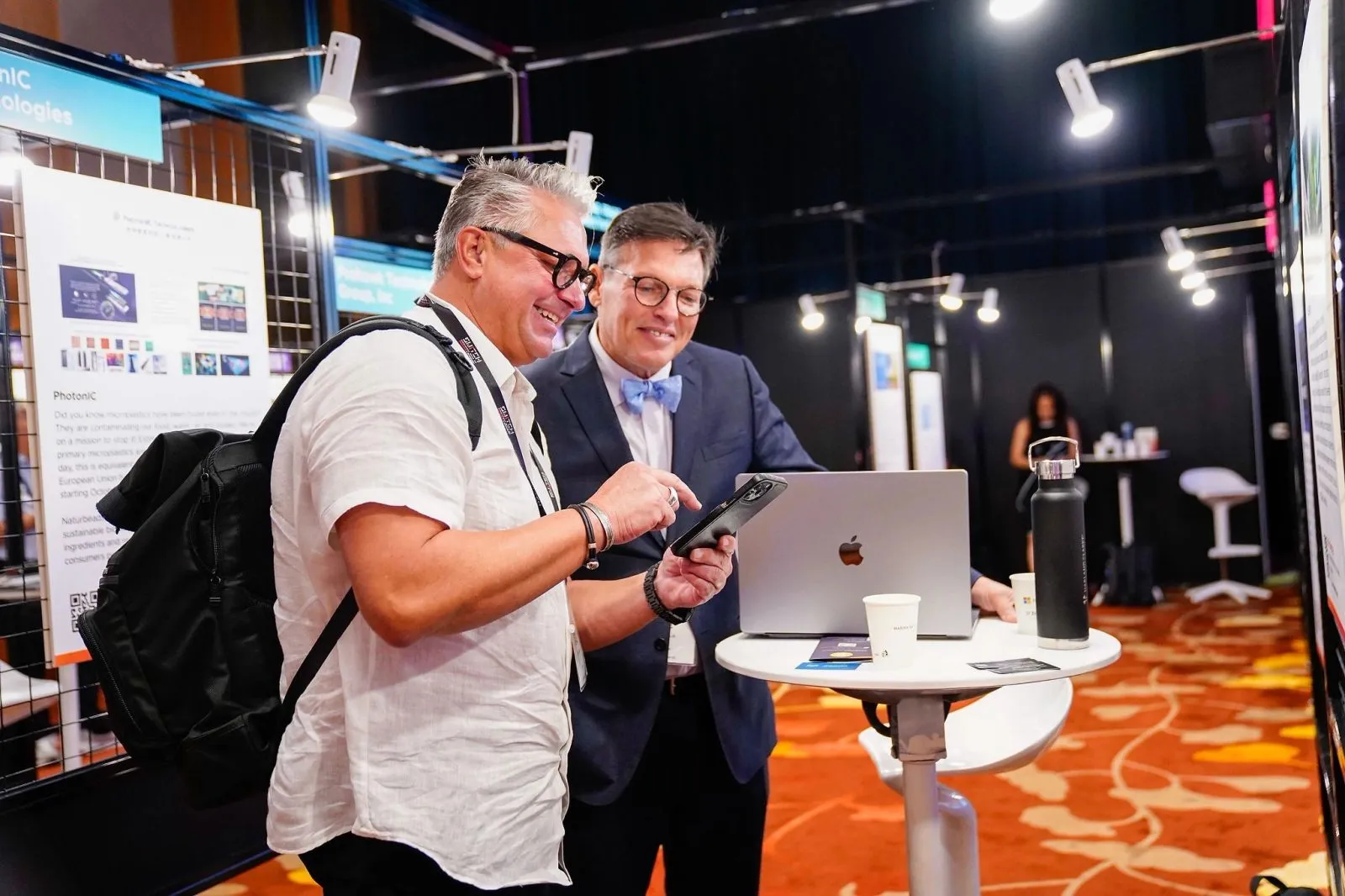
Event photography coverage shifts noticeably between a quiet, presentation-heavy seminar and a livelier networking event, even when the same firm and the same photographer are involved. A seminar leans on stage shots, slide context and audience attention, while a networking event leans on candid interaction, movement between groups and a faster shooting pace. Briefing which one applies, or if the event moves between both, sets the right expectations.
Key takeaways
- A quiet seminar needs steady, considered coverage of the stage, slides and audience attention.
- A networking event needs faster, more candid coverage of interaction and movement around the room.
- The same photographer can adapt between both, but briefing the event's actual format helps.
- Many professional services events combine both formats in one evening, needing a pacing shift mid-event.
- A quieter seminar is not a smaller booking, coverage priorities change rather than reduce.
What coverage looks like for a quiet, presentation-heavy seminar
A client seminar, technical briefing or thought-leadership session for a professional services firm is usually low on movement and high on content. People are seated, attention is on the stage or screen, and the room stays fairly still through each segment. Coverage here centres on wide shots of the stage and audience, closer shots of the speaker, and context shots that show what is on screen when it matters, such as a key slide during a technical talk.
The pace of shooting is more deliberate than reactive. A photographer is watching for a strong expression from the speaker, a moment of audience engagement, or a Q&A exchange, rather than chasing constant movement. This kind of coverage rewards patience and positioning more than speed, since the room itself is not generating much motion to work with. Arrivals and a short mingling window before the seminar starts are also worth covering briefly, since they still give useful context for a recap gallery even in a low-movement format.
What coverage looks like for a livelier networking event
A networking reception or mixer is the opposite environment. People are standing, moving between conversations, and the energy of the room is the actual story, not a single speaker or slide. Coverage here is candid and reactive: genuine conversations, handshakes, laughter, small groups forming and breaking apart. There is rarely a fixed vantage point that works for a whole evening, since the interesting moments happen wherever people are gathered.
This kind of coverage moves at a faster pace and covers more physical ground. A photographer working a networking event is typically circulating through the room continuously, watching for natural moments rather than posed ones, and adjusting position often as groups shift around the space. If there is a welcome address or a toast within the reception, that short formal moment is still worth flagging, since it is easy to miss while circulating.
Adjusting pacing and shot priorities between the two
Many professional services events are not purely one or the other. A seminar with a networking reception afterwards, or a panel discussion followed by drinks, asks the photographer to shift gears partway through, from considered stage coverage to fast, candid room coverage. This transition is manageable for an experienced photographer, but it helps enormously to know it is coming rather than discovering the format change on the day.
The shot list should reflect both halves of the event separately if the format changes. A single generic brief like "cover the seminar" does not tell the photographer that the room dynamic, and their working pace, needs to change an hour in. Naming both segments and roughly how long each runs solves this cleanly.
Does a quieter seminar need less coverage overall
Not necessarily, and this is a common assumption worth correcting. A quiet seminar is not a smaller booking, it is a different kind of coverage. The photographer is still working the full duration, watching for the moments that matter within a calmer format: a strong audience reaction, a memorable line from a speaker, a handshake at the end of a session. The event being quieter changes the shooting style, not the amount of attention it needs.
If anything, a presentation-heavy seminar can be more demanding to shoot well, since there is less obvious movement to work with and more reliance on catching small, specific moments within a fairly static room. Assuming a quiet room needs a shorter booking is one of the more common misreadings we see at the quoting stage, and it is worth checking crew hours against the actual agenda length rather than the room's energy level.
Briefing the right approach for your event type
The clearest way to get the right coverage is to describe the actual shape of the event when you book corporate event photography: how much of it is seated and presentation-led, how much is standing and social, and whether the format shifts partway through. This is more useful to a photographer than a general label like "seminar" or "networking event" on its own.
For a more formal conference-style seminar with multiple speakers or panels, it is also worth reviewing our guidance on building a shot list, since the same principles around segment-by-segment briefing apply whether the room is quiet or lively.
Questions organisers ask
Does a quieter seminar need less photography coverage overall?
No, a quieter seminar is still covered for its full duration, the coverage style simply shifts to stage shots, slide context and audience attention rather than fast candid movement. The event being calmer does not reduce the amount of attention it needs.
Can the same photographer adapt between both event styles?
Yes, an experienced photographer can shift pace between a seated seminar and a lively networking segment within the same event. It helps considerably to know the format change is coming, so the shot list reflects both parts separately.
How should a mixed-format event be briefed?
Describe both segments separately, roughly how long each runs and what matters in each, rather than using one general label for the whole event. This lets the photographer plan the pacing shift in advance.
What matters most for candid networking coverage?
Genuine, unposed interaction is the priority, conversations, group moments, natural expressions, captured while circulating through the room rather than shooting from one fixed position.
If your event moves between a quieter presentation segment and a livelier networking one, describe both when you get in touch through our contact page, and we will brief the crew for the pacing shift.
Related reading: Conference Photography Singapore · Corporate Event Photography Shot List: Free SG Template · Event Photographer Singapore.
More guides: Event photography at Hilton Singapore Orchard for a half-day seminar · Keeping the tone professional at a law firm's client-facing seminar · Photographing the networking lounge zone at your trade show.
Let's talk
Planning an event in Singapore?
Send us the date, venue and programme. You will get a considered production plan and a fixed nett quote.