Producing a recruitment campaign video that feels authentic, not generic
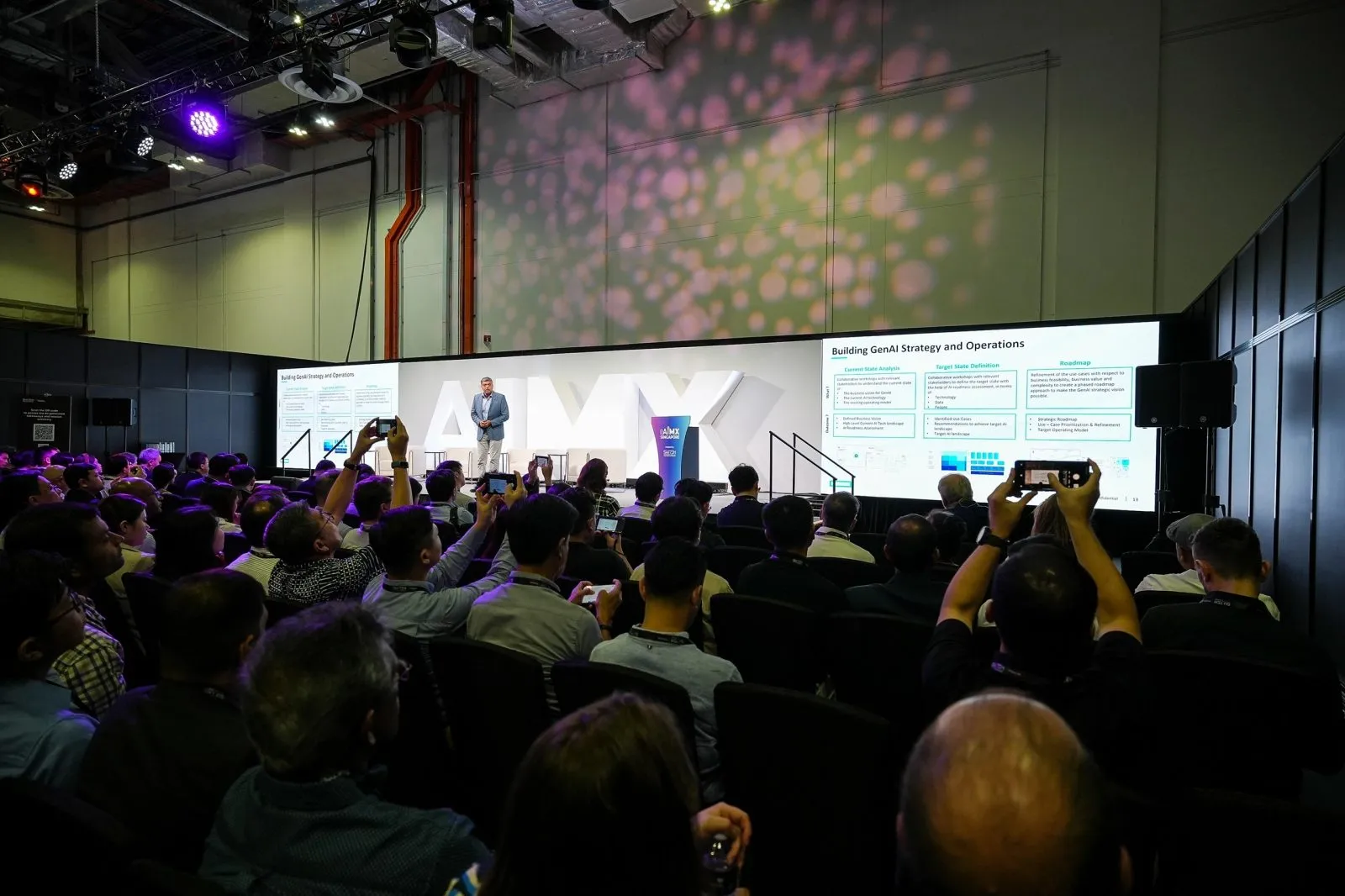
A recruitment campaign video reads as authentic when it films real employees doing real work in their actual workplace, rather than actors and generic office footage. Scoping the shoot around the team's actual working hours, and briefing the crew for a natural, unscripted feel, is what separates it from a generic hiring video.
Key takeaways
- Generic stock-style hiring footage tends to underperform because candidates recognise it as filler rather than a real look at the workplace.
- Filming real employees in their actual workplace, not actors or a staged set, is what makes a recruitment video feel authentic.
- Authenticity and a polished final edit are not opposites; a natural shoot can still be cut and graded to a professional standard.
- Scoping the shoot day around real working hours protects both the team's productivity and the honesty of the footage.
- A specific tone brief to the production vendor upfront avoids ending up with generic footage by default.
Why generic stock-style hiring videos underperform
Many recruitment videos default to a familiar formula: smiling actors at laptops, wide shots of an empty-looking open office, upbeat music over generic voiceover. Candidates researching a company before applying tend to recognise this style quickly, and it reads as filler rather than an honest look at what working there is like.
The videos that hold attention instead show specific, recognisable moments: a real team meeting, an actual project in progress, a genuine conversation between colleagues. This does not need to be elaborate. It needs to be real, which is a different production brief from a polished but generic promotional style.
Filming real employees and real workplace moments instead
The stronger approach is filming actual employees doing their actual work, with enough time built in for a few natural interactions rather than one stiff, staged sequence. This usually means picking a handful of employees willing to be filmed, briefing them on roughly what to expect, and giving the crew enough time on site to catch moments that do not feel performed.
It also means choosing locations that look like the real workplace rather than a tidied-up show space. A slightly imperfect but genuine desk area usually reads better on camera than an artificially staged one, because candidates can tell the difference even without articulating why.
Balancing authenticity with a polished final edit
Authentic does not mean unpolished. Real footage of real employees can still be shot with good lighting, framed carefully and edited to a professional pace, the same craft that goes into any corporate video. The difference is in what is being filmed, not how carefully it is put together afterward.
A useful way to brief this is telling the crew the footage should feel observed rather than performed, even though it is still edited into a tight, well-paced final cut. That distinction, natural content with professional execution, is usually enough to keep the shoot from drifting back into a generic, staged style by default.
Scoping a shoot day around actual working hours
Filming real employees at work means working around their actual schedule rather than pulling them off their desks for an extended staged session. A shoot planned around a genuine part of the working day, a real meeting, a real handover, a real customer call if permitted, gives the crew authentic material without disrupting the team's actual output for the day.
This usually means a shorter, more focused shoot window than a fully staged production, with the crew working quickly and unobtrusively rather than setting up an elaborate scene. Confirming this window with the team's manager in advance avoids the shoot running long and eating into time the team needs for their work.
Briefing this tone specifically to your production vendor
Left without direction, a production crew will often default to the safer, more familiar corporate video style, since that is what most briefs ask for. Stating explicitly that the goal is authentic, unscripted workplace footage rather than a polished staged promo changes how the crew approaches the shoot from the first setup.
Sharing a few reference points, another company's recruitment video that got the tone right, or simply describing the feeling wanted in plain terms, helps a lot here. This kind of brief takes only a few extra minutes to write but makes a noticeable difference to how the final video reads to a candidate deciding whether to apply. It is worth revisiting the brief with the crew on the shoot day itself, since a quick reminder before filming starts keeps everyone aligned on tone once the cameras are rolling.
Questions organisers ask
What makes a recruitment video feel authentic rather than generic?
Filming real employees doing real work in the actual workplace, rather than actors and generic office footage, is what reads as authentic to a candidate watching. Genuine, specific moments such as a real team meeting or an actual project in progress tend to hold attention far better than a polished but familiar hiring-video formula.
How is a recruitment video shoot scoped around real working hours?
The shoot is planned around a genuine part of the team's actual working day, such as a real meeting or handover, rather than pulling employees off their desks for an extended staged session. This usually means a shorter, more focused shoot window agreed with the team's manager in advance, so the crew works quickly without disrupting the day's output.
Can a recruitment video be both authentic and professionally polished?
Yes, authentic content and professional editing are not opposites. Real footage of real employees can still be shot with good lighting and cut to a professional pace, so the video feels observed rather than performed while still reading as a well-made final piece.
How should a company brief a video vendor to avoid a generic result?
Stating clearly upfront that the goal is authentic, unscripted workplace footage rather than a staged corporate promo changes how the crew approaches the shoot from the start. Sharing a reference video that got the tone right, or describing the desired feeling in plain terms, helps the crew plan around real moments instead of a default staged style.
For recruitment and employer-brand video that films real teams rather than a staged set, see our corporate video page for how a shoot day is planned and briefed.
Related reading: Corporate Video Production Singapore · Corporate Event Photography Shot List: Free SG Template · Contact RS Photography — Get a Singapore Event Quote.
More guides: Producing an explainer video for an NGO or association campaign · Documentary-style corporate video: telling the company's real story.
Let's talk
Planning an event in Singapore?
Send us the date, venue and programme. You will get a considered production plan and a fixed nett quote.