How to present resold photography in an event agency proposal
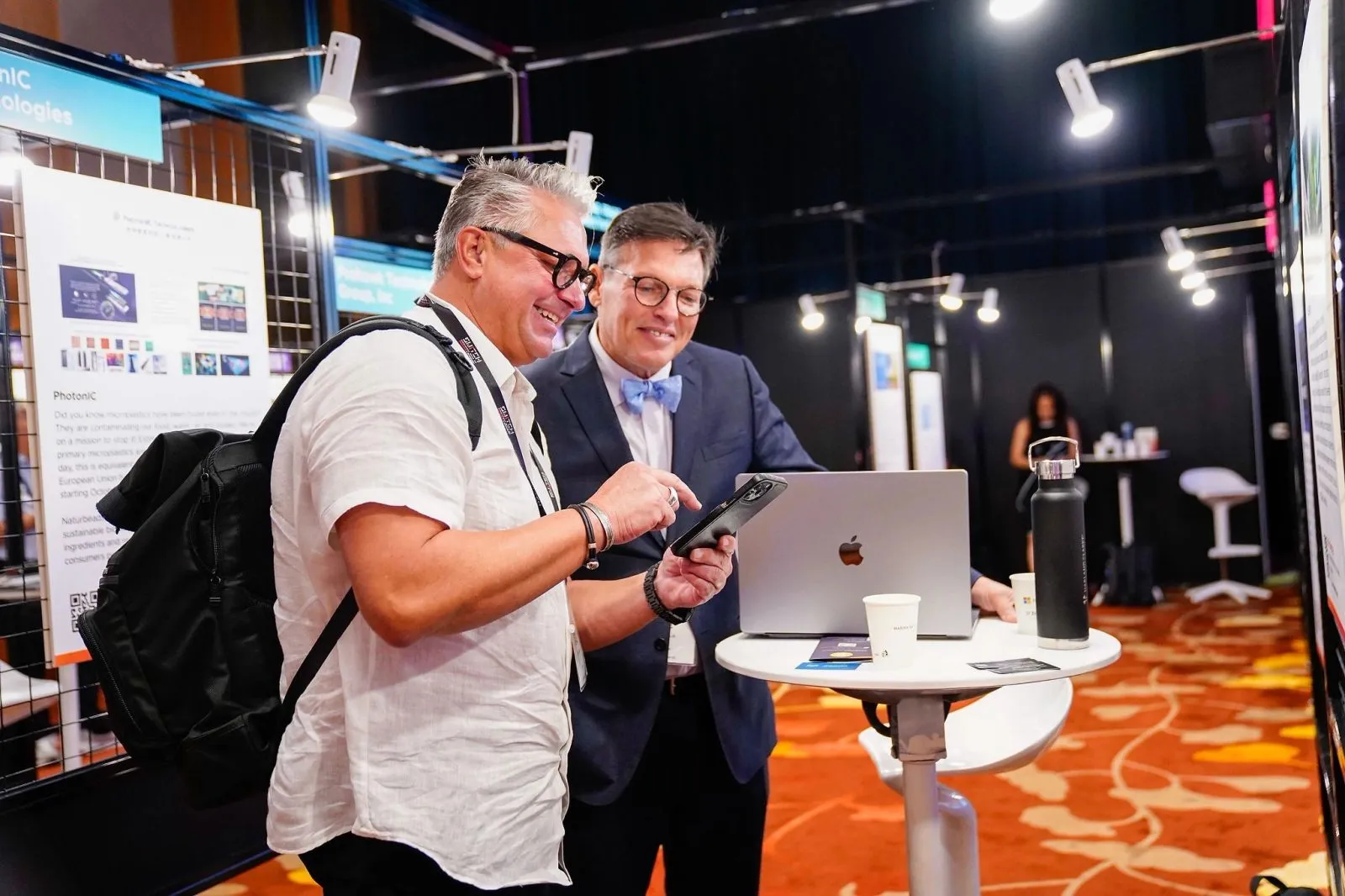
Photography for a client event usually goes into an agency proposal as its own line under production or event collateral, not folded into a miscellaneous budget. State what it covers, confirm with the vendor whether resale is included in the licence, and confirm delivery timing before the number goes in front of the client.
Key takeaways
- Put photography under its own line in the proposal, not inside a miscellaneous or contingency budget.
- For exhibitions, itemise by deliverable: organiser coverage, exhibitor booth packages, show dailies and VIP walkthroughs are each sold separately.
- Confirm delivery timing, a standard gallery in 48 hours, or EXPRESS 24 for same-day needs, before it goes into the client-facing document.
- Get usage rights in writing, especially if the deliverable is meant to reach a downstream client beyond the agency itself.
- Use one consistent vendor rate basis across proposals instead of negotiating a fresh figure for every client.
Where photography typically sits in a client-facing proposal
In most event agency proposals, photography sits under production or event collateral, next to videography, signage and any live content feed, rather than buried inside a miscellaneous or contingency line. A client reading the proposal wants to see what they are paying for, not one vague figure covering everything the agency would rather not explain.
For exhibitions, this can mean several separate items rather than one photography line. Organiser-wide coverage of the show floor is one deliverable, exhibitor booth packages are another, show dailies for same-day recap content are a third, and VIP walkthrough coverage a fourth. Each can be priced and presented on its own, which matters when different budget holders, the organiser, individual exhibitors, a sponsor, are paying for different parts of the same event. For a single corporate event such as a dinner and dance or a town hall, photography is usually simpler: one line covering the crew, the coverage window and the deliverable, often bundled with videography if the same booking covers both.
Folding photography into the agency's own scope of work
Once resale itself has been confirmed with the vendor, the agency decides how much of the vendor relationship the client sees. Many agencies present it as part of their own production scope rather than naming the vendor, which keeps the client relationship with the agency and the vendor relationship separate. That only works if the brief reaching the vendor is complete: the run sheet, the moments that must be covered (speaker sessions, sponsor booths, VIP arrivals, award presentations), any branding or step-and-repeat requirements, and who on the agency side signs off the shot list.
Treat the vendor's coverage as one deliverable inside the agency's larger production plan, not a separate booking the client has to think about. If the agency also books MICE event photography and video as one crew, the brief and the shot list can be shared across both, which keeps what the client is told and what the vendor is asked for lined up.
What to confirm with the vendor before quoting a client
Before a photography figure goes into a client proposal, confirm four things with the vendor directly. First, the exact scope, whether it is full-day organiser coverage, a booth package, show dailies only, or a mix, since each carries a different level of effort. Second, delivery timing: standard delivery is a full edited gallery within 48 hours, while EXPRESS 24 gets selects out within the hour on site and the full gallery within 24 hours, useful when the client needs content for a same-day press release or social post.
Third, confirm the deposit and payment structure the vendor works on (a deposit of half the total is standard) so the agency's own cash flow position is clear before it commits a date. Fourth, and easy to skip, confirm usage rights: whether the licence covers only the agency's internal use or extends to the client the agency is reselling to, and whether resale or sub-licensing of the images themselves is included. Copyright and usage rights for event photos follow defaults that are worth reading before assuming.
Keeping pricing consistent across proposals
Nothing looks worse to a repeat client than seeing the photography line move for no obvious reason between two similar events. The fix is to agree a rate structure with the vendor once resale is confirmed, by service type, photography, videography, booth photography, headshots, rather than asking for a fresh number every time a proposal goes out. RS Photography's published rates are nett figures, and because they are public, it is worth knowing what a client could find if they searched the vendor directly.
An agency pricing a proposal that includes a resold photography line should keep that visibility in mind, and should confirm with the vendor beforehand whether the licence covers reselling the deliverable, since a standard commercial licence does not automatically extend that far. Keep a simple internal rate card mapped to each deliverable type, updated whenever the vendor's terms or figures change, so whoever writes the next proposal is not reconstructing the number from memory.
Deciding what to itemise and what to bundle
Whether photography stands alone or gets folded into a package line depends on who is reading the proposal. A sponsor buying an add-on booth package usually wants photography itemised, because it is part of what they are being sold and they want to see it is covered. An exhibitor evaluating a stand package cares about the same thing for a similar reason. A corporate client booking a dinner and dance, an appreciation lunch or a town hall is often better served by one bundled line for photography and video, since they are buying a single outcome, a good record of their event, rather than shopping the components.
For exhibitions specifically, itemising by deliverable, organiser coverage, exhibitor booth packages, show dailies, VIP walkthroughs, gives the agency flexibility to sell some of them separately to different budget holders inside the same event, instead of one client paying for coverage another party wants.
Putting delivery and usage rights in writing
Whatever ends up in the client-facing proposal, put delivery timing and usage rights in the document itself, not only in the agency's private contract with the vendor. State whether the client should expect a standard gallery within 48 hours or same-day EXPRESS 24 delivery (selects within the hour, full gallery within 24 hours), since press and social teams plan around that window.
State clearly who can use the images and where. A perpetual, worldwide, non-exclusive commercial licence typically covers the party that commissioned the work; if the deliverable is meant to travel further, to a sponsor's own marketing team or a stand builder's handover file, get that confirmed by the vendor in writing rather than assuming it is included. Checking how usage rights work for event photography before the proposal goes out avoids an awkward conversation after the event, when the client has already used the images somewhere the licence did not cover.
Questions organisers ask
Should photography be listed as a separate line item in the proposal?
In most cases, yes. A named line for photography, alongside videography or signage, shows the client what they are paying for and stops it disappearing into a miscellaneous budget. The exception is a single corporate event, such as a dinner and dance or a town hall, where one bundled photography and video line is usually simpler for the client to read without losing clarity.
How is pricing kept consistent across different client proposals?
Once the vendor has confirmed which deliverables can be resold, agree a rate structure with them, broken down by service type such as photography, videography, booth photography and headshots, rather than negotiating a fresh figure for every proposal. Keep an internal rate card mapped to each deliverable and update it whenever the vendor's own published rates or licence terms change, so the number in a new proposal matches the last one.
Does the client need to know which vendor is doing the photography?
Not necessarily, though whether the deliverable can be presented this way at all depends on what the vendor's licence allows for resale. Once that is confirmed, many agencies keep the vendor relationship separate from the client relationship and present photography as part of their own production scope. What matters more than naming the vendor is that the brief passed to them, the run sheet, the shot list and any branding requirements, is complete, so the coverage matches what the client was told to expect.
What if the client wants faster delivery than the standard gallery turnaround?
Ask the vendor whether a same-day option exists before promising it to the client. RS Photography's EXPRESS 24 service delivers edited selects within the hour on site and a full gallery within 24 hours, against a standard delivery of 48 hours, which handles same-day press or social requests without the agency having to renegotiate the booking.
If you are building a proposal that includes photography as a resold line, sending the agency's brief and shot list to RS Photography's team before the number goes to your client is the simplest way to keep the scope, delivery timing and usage rights consistent with what you are promising.
Related reading: MICE Event Photography & Videography Singapore · Exhibition & Trade Show Photography Singapore · Event Photography & Videography Rates Singapore.
More guides: Singapore vendor vs regional event agency: what differs.
Let's talk
Planning an event in Singapore?
Send us the date, venue and programme. You will get a considered production plan and a fixed nett quote.