Rotating sponsor logo overlays on a shared exhibition photo booth
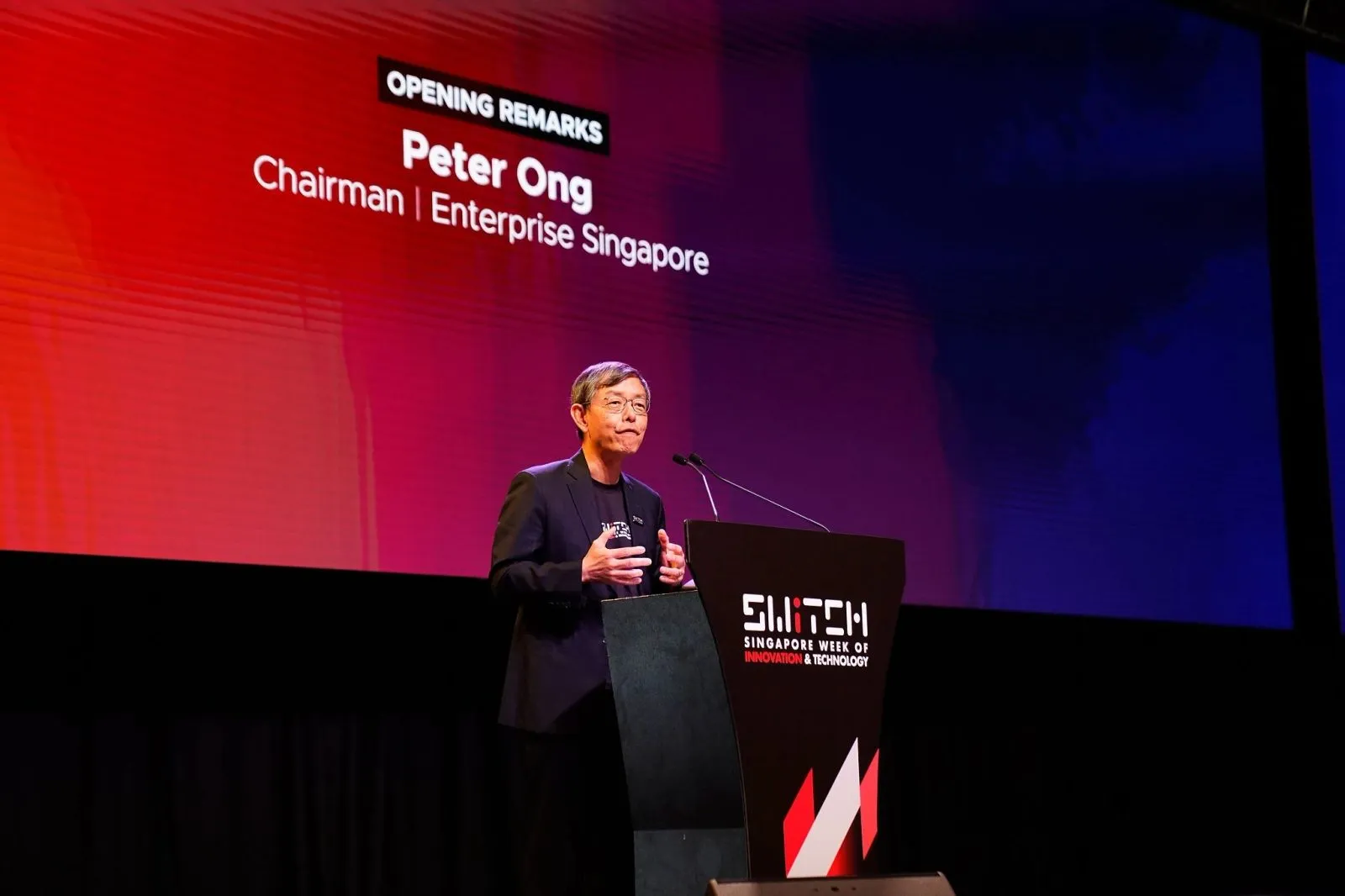
A shared exhibition photo booth can cycle its branded overlay between several sponsors on a set schedule, giving each one a fair share of visible time across the show's operating hours.
Key takeaways
- A rotating overlay lets several sponsors share one booth without one dominating
- The overlay cycles on a schedule agreed before the show, not on the fly
- Coordination across operating hours needs planning against the show's programme
- Setting equal-visibility expectations upfront avoids disputes between sponsors
- All sponsors should be briefed on the arrangement before the show opens
Why multiple sponsors want visibility on one shared booth
Not every exhibition sponsor has the budget or booth space for a dedicated photo booth of their own, but most still want a shareable branded moment tied to their name. A single shared booth solves this by giving several sponsors a presence in the same high-traffic activation, rather than each competing separately for visitor attention.
This is a common ask from show organisers managing tiered sponsorship packages, where a shared booth becomes one deliverable that can be split across multiple sponsor tiers rather than built separately for each.
It also concentrates footfall around one activation instead of spreading it thin across several smaller booths, which can make the whole show floor feel busier and more engaging for visitors.
How a rotating logo overlay cycles through sponsor branding
The overlay applied to each captured photo or clip can be set to change on a schedule, so a visitor using the booth at 11am might see one sponsor's branding while a visitor at 2pm sees another's. The switch happens automatically at agreed intervals rather than needing manual adjustment throughout the day.
This gives each sponsor a defined block of visible time rather than a vague promise of shared exposure, which is easier to plan around and easier to report back on afterwards.
It also means the attendant running the booth does not need to intervene between blocks, since the schedule is set before the show opens and simply runs through the day as planned.
Coordinating overlay timing across the show's operating hours
Splitting overlay time fairly usually means mapping it against the show's actual traffic pattern, not just dividing the hours evenly. If the show floor is busiest in the late morning and again after lunch, an even split by clock hours might still give one sponsor more actual visitor exposure than another.
Working through this with your organiser or vendor before the show, using the previous year's traffic pattern if one exists, produces a fairer schedule than dividing the day into equal blocks without considering when visitors queue.
For a multi-day show, the same schedule logic can be repeated each day, or varied so a sponsor who had a quieter block on day one gets priority timing on day two.
Setting expectations for equal sponsor visibility
Because visitor traffic is not perfectly even across a show day, it is worth agreeing upfront what "equal visibility" means for this booking, whether that is equal clock time, an estimated equal share of visitor throughput, or a fixed number of captures per sponsor regardless of timing. Putting this in writing before the show avoids a dispute afterwards about who got the better slot.
A vendor familiar with shared sponsor activations can usually suggest a schedule format that has worked at comparable events, which is a useful starting point rather than negotiating from scratch.
Briefing this arrangement with all sponsors beforehand
Every sponsor involved in the rotation should know the schedule, their allocated time blocks, and what happens if a technical issue disrupts the rotation partway through the day. This briefing is usually the organiser's responsibility, but the vendor running the booth needs the final schedule confirmed well before setup.
- Agree the rotation schedule against actual expected traffic, not just clock hours
- Define what equal visibility means for this specific booking
- Confirm the schedule in writing with every sponsor before the show
- Clarify how a technical delay would be handled mid-rotation
Reporting back to sponsors after the show
Once the show closes, organisers often need to show each sponsor what their allocated time block delivered, whether that is a count of captures, sample output, or engagement figures if the format included social sharing. Agreeing this reporting format with your vendor before the show, rather than requesting it afterwards, means the data is captured as the rotation runs rather than reconstructed after the fact.
This reporting step is also useful evidence for organisers building next year's sponsorship deck, showing prospective sponsors what a shared booth activation delivered in practice.
Questions organisers ask
Can a shared photo booth rotate between multiple sponsor logo overlays?
Yes, the overlay applied to each capture can be set to switch automatically between sponsors on an agreed schedule throughout the show day. This gives each sponsor a defined block of visible branding rather than a vague shared arrangement.
How is overlay timing coordinated across sponsors fairly?
Overlay timing is usually mapped against the show's expected visitor traffic pattern rather than divided into equal clock hours, since traffic is rarely even across a full show day. Agreeing what counts as fair, whether equal time or an estimated equal share of visitor throughput, should happen before the schedule is finalised.
How many sponsors can realistically share one photo booth overlay rotation?
This depends on the show's operating hours and how granular each sponsor's time block needs to be to feel meaningful. It is worth discussing the realistic number with your vendor and organiser rather than assuming any number of sponsors can be accommodated without diluting each one's visibility.
What happens if a technical issue interrupts the overlay rotation mid-show?
This should be clarified with your vendor before the show, including how remaining time is reallocated if the rotation is paused for a fix. Having this agreed in advance avoids a dispute between sponsors about lost visibility time after the fact.
If you are planning a shared sponsor activation, see how branded overlays work on our photo booth range before setting the rotation schedule.
Related reading: Branded Photo Booth Activations Singapore · Exhibition & Trade Show Photography Singapore · Photo Booth Rental Singapore — AI, 360 & Instant Print.
More guides: Custom overlay design for your branded photo booth · Briefing sponsor booth coverage inside a conference programme · Setting up a dedicated photo booth in your sponsor lounge.
Let's talk
Planning an event in Singapore?
Send us the date, venue and programme. You will get a considered production plan and a fixed nett quote.