How coverage is prioritised at a multi-session symposium
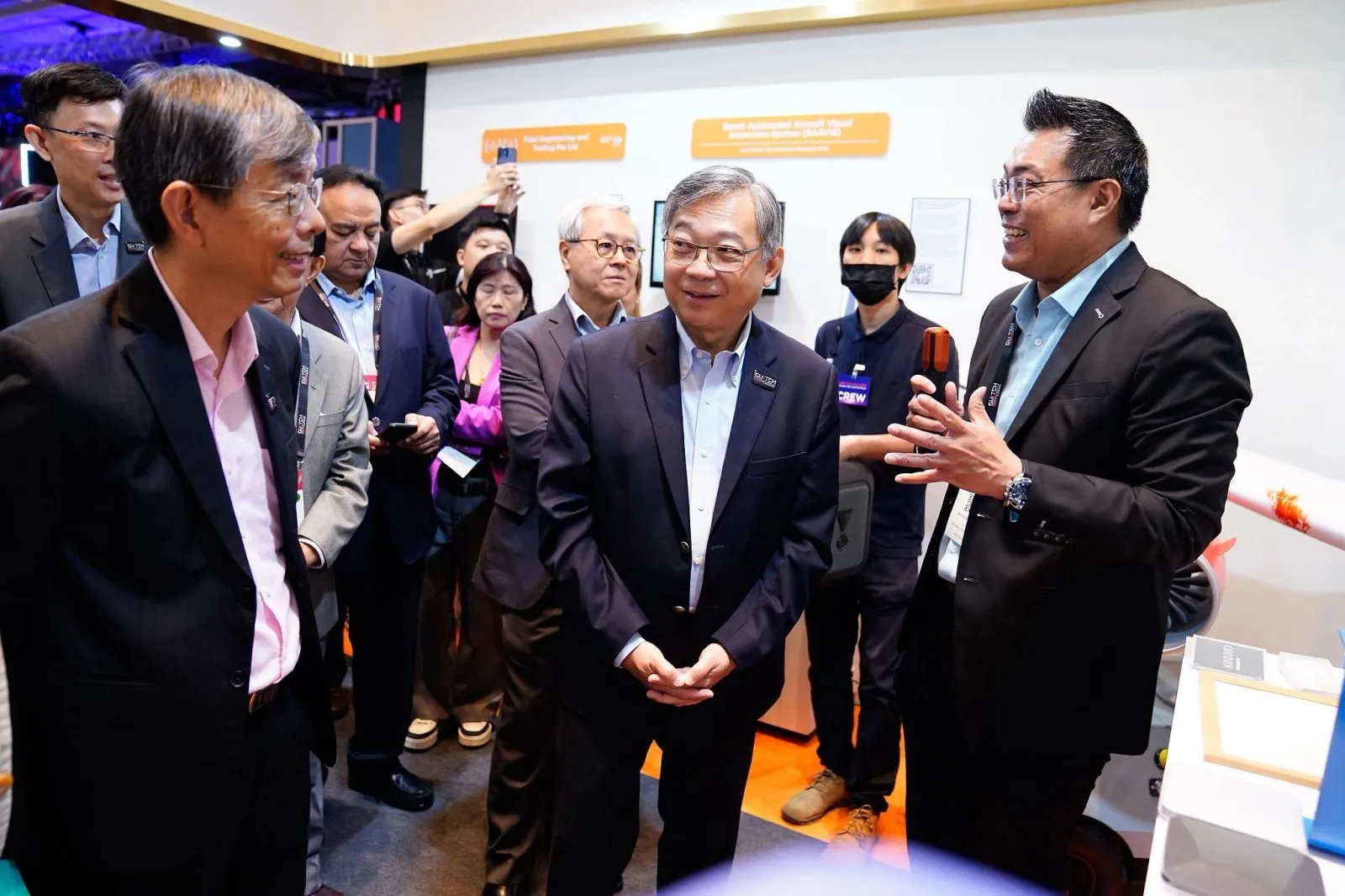
At a multi-session symposium, coverage is usually prioritised around the keynote and opening remarks first, then a curated set of highlight moments across the remaining sessions rather than every single presentation. The organiser's written brief, sent before the day, is what decides which sessions matter most and get guaranteed coverage.
Key takeaways
- The keynote, opening remarks and any VIP segment get full, uninterrupted coverage first.
- Back-to-back paper sessions are usually covered through highlight moments, not gavel to gavel.
- A written brief before the day is what decides which sessions get priority.
- Parallel breakout tracks need a crew plan, not one photographer moving between rooms.
- Networking breaks and poster sessions are worth flagging if they matter to your report.
Covering the keynote and opening remarks
The opening block of a symposium sets the tone for the whole report, so it gets the most careful coverage. That usually means the welcome address, the keynote speaker, any officiating guest or ribbon-cutting moment, and the room reaction shots that show attendance and energy. This segment runs on a fixed schedule and rarely repeats, so it is worth treating as non-negotiable in the brief.
For government or association openings this can also include a guest of honour, in which case protocol and seating order matter as much as the images themselves. If your event has this kind of segment, flag it early so the photographer can plan positioning and lighting before doors open, rather than working it out on the fly once the room is full and the schedule has already started moving.
Prioritising highlight moments across back-to-back sessions
Once the programme moves into consecutive presentation blocks, full-session coverage of every slide and every speaker is rarely useful, and it is not how most symposium organisers use their photos afterward. What tends to matter more is a highlight moment from each session: the speaker mid-point, an audience question, a panel exchange, the room during a well-attended slot.
This is a practical trade-off, not a shortcut. A ten-minute paper session covered wall to wall produces dozens of near-identical frames; a well-timed set of three or four highlight shots per session gives the organiser something usable in a report, a recap post or next year's marketing without wading through duplicates that all look the same.
When every single session gets covered versus a curated selection
There are cases where full coverage of every session is the right call: a small symposium with two or three tracks, a programme where every speaker is a sponsor obligation, or an event where the write-up promises a photo of each presenter. If that is your situation, say so in the brief, because it changes how the crew is sized and how the day is planned around the room.
For a larger, denser programme with many concurrent papers, a curated selection across sessions is usually the more realistic target for one photographer, and additional coverage becomes a staffing decision rather than a technique one. Either way, the choice should be made before the day, not improvised on it once sessions are already running late.
Handling parallel breakout tracks without gaps
Symposiums with two or more concurrent tracks raise a straightforward staffing question: one photographer cannot be in two rooms at once. The working approach is one photographer per concurrent room plus a roamer who covers networking breaks, poster sessions and moments between the formal programme. This is the same principle used for multi-room conferences generally, and it scales with however many tracks are running.
If your symposium has parallel tracks and only a single photographer is booked, something will be missed, and it is better to know that in advance than to discover a gap in the gallery afterward. Confirming the number of concurrent rooms early lets the crew size match the actual programme rather than a guess.
Briefing which sessions matter most in advance
The single biggest factor in getting the right coverage is a short written brief sent before the day: which sessions are sponsor-obligated, which speakers need a guaranteed photo, which segments feed into a press release or annual report, and which are lower priority if time runs short. A run sheet with rough timings helps even more, since sessions rarely start exactly on schedule.
Without this, a photographer is making reasonable but generic judgement calls all day. With it, coverage lines up with what the organiser needs afterward, and there are fewer surprises when the gallery arrives and a promised speaker photo is missing.
Questions organisers ask
Does a photographer cover every single presentation session?
Not usually. Most symposiums get full coverage of the keynote and opening segment, then a curated set of highlight moments across the remaining sessions rather than wall-to-wall coverage of every talk. Full coverage of every session is possible but should be agreed in the brief beforehand, since it changes how the crew is sized for the day.
How is priority decided across back-to-back sessions?
Priority is usually set by the organiser's brief: which sessions are sponsor obligations, which speakers need a guaranteed photo, and which segments feed into a report or press release. Without a brief, the photographer makes reasonable judgement calls based on room energy and speaker prominence on the day itself.
What happens when a symposium has parallel breakout tracks?
Parallel tracks need more than one photographer, since a single crew member cannot cover two rooms running at the same time. The usual approach is one photographer per concurrent room plus a roamer for breaks and poster sessions, confirmed against the actual programme well before the day arrives.
Should poster sessions and networking breaks be covered too?
They are worth including if they matter to your write-up, but they are often lower priority than the formal programme unless flagged in advance. A brief that names poster sessions or specific networking moments as priorities will get them covered properly on the day.
If you are planning a symposium and want coverage that matches how the programme is structured, our conference photography team can work from your run sheet to set priorities before the day, so nothing important gets missed once sessions start running.
Related reading: Conference Photography Singapore · How Many Photographers Does Your Conference Need? · Corporate Event Photography Shot List: Free SG Template.
More guides: What an academic symposium recap video should focus on · Building a photo archive across a repeat annual symposium · How to assign photographers across concurrent breakout tracks.
Let's talk
Planning an event in Singapore?
Send us the date, venue and programme. You will get a considered production plan and a fixed nett quote.