Following a trade delegation across multiple stops in one day
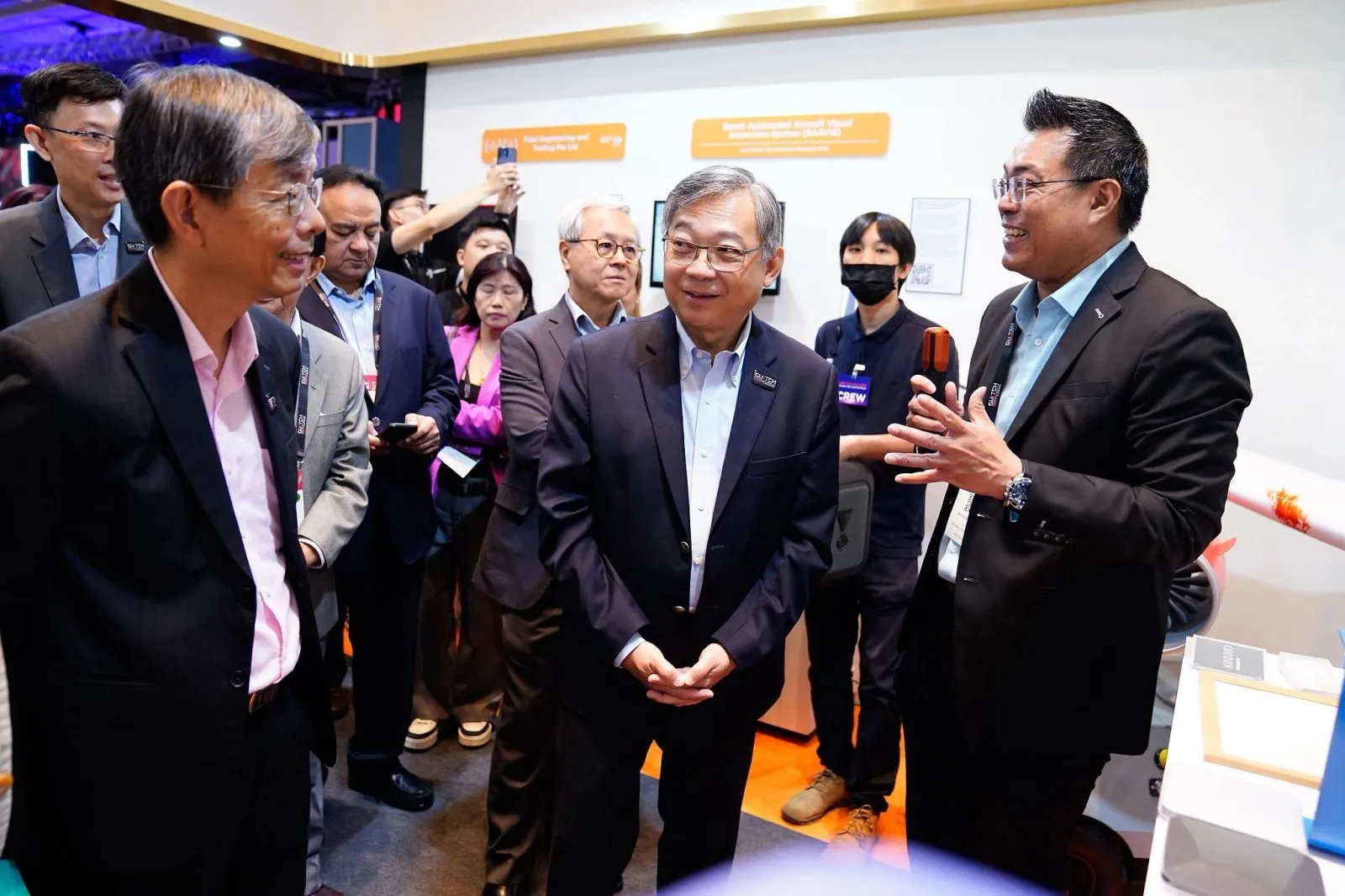
Coverage for a trade delegation visit follows the group across each stop on the itinerary, meetings, a site tour, a closing exchange of gifts or documents, working from a schedule agreed in advance rather than waiting on site to learn the plan. Protocol details matter as much as the images themselves.
Key takeaways
- A half-day delegation visit usually involves several distinct stops in sequence.
- Coverage plans around transitions between stops, not just each location itself.
- Timing between stops needs a buffer, since delegation schedules commonly run behind.
- Protocol details, seating order, who greets whom first, should be briefed in advance.
- One photographer following the full itinerary works better than splitting across stops.
What a half-day delegation visit typically involves
A trade delegation or foreign visit typically moves through a sequence, an arrival and welcome, one or more meeting rooms, sometimes a facility or site tour, and a closing moment such as an exchange of gifts, a group photograph, or a signing. Each stop has its own character and its own priority moment, a handshake at arrival, a key exchange during the meeting, a wide shot of the group at the site tour. Coverage needs to anticipate each of these rather than treating the whole visit as one continuous, undifferentiated block of time.
Because the day is compressed and formal, there is usually less room to reshoot a missed moment than at a longer, more relaxed corporate event, which makes advance planning more valuable here than for most other occasions.
Planning coverage across meetings and a site tour
Indoor meeting rooms and an outdoor or facility site tour need different approaches. A meeting room often has strict limits on movement and noise, so a photographer works quietly from a fixed position, timing shots around natural pauses rather than moving around during discussion. A site tour is more mobile, following the group past several points of interest, which calls for faster repositioning and less time to compose each frame carefully.
Agreeing in advance which moments matter most at each stop, the opening handshake, a specific display or exhibit during the tour, the final group photograph, helps the photographer prioritise correctly when time at any one stop runs shorter than planned. This is worth confirming with the host organisation as well as the visiting delegation, since expectations can differ between the two sides.
Coordinating timing between multiple stops
Delegation schedules are notoriously prone to running behind, a meeting overruns, transport between stops takes longer than expected, and a fixed minute-by-minute plan rarely survives contact with the actual day. Coverage should plan for buffer time between stops rather than assuming everything runs exactly to schedule, and the photographer benefits from staying with the group throughout rather than being told to reappear at a fixed time at each new location, since that fixed time is the part most likely to shift.
A single shared contact, usually the event organiser or a liaison from the host side, who can update the photographer in real time as the schedule adjusts, keeps the whole day coordinated even when the original plan changes more than once.
Briefing protocol details for official delegations
Official visits often carry protocol expectations that matter as much as the photography itself, seating order at a meeting table, who greets whom first on arrival, whether photography is permitted during a specific portion of the programme. These details should be briefed to the photographer beforehand by the organiser or the host organisation, since getting them wrong, standing in the wrong position during a formal greeting, for instance, can be disruptive in a way that a missed shot at a casual event would not be.
If any part of the visit is restricted from photography for security or diplomatic reasons, flag this clearly before the day rather than expecting it to be obvious on site.
Why one photographer following the full itinerary works best
For a half-day delegation visit, one photographer who follows the group from arrival through to the closing moment usually produces a more coherent, useful set of images than splitting coverage between separate photographers at each stop. Continuity matters here, understanding who the key delegation members are, what happened at the previous stop, and how the story of the visit is building across the day, which is difficult to hand off cleanly between different people partway through.
Splitting coverage across multiple photographers only makes sense if two things happen at once in different locations and both genuinely need to be documented, which is uncommon for a typical half-day itinerary.
Questions organisers ask
Can coverage follow a delegation across several meetings in one day?
Yes, a single photographer typically follows the delegation's full itinerary across meetings, a site tour and any closing moments, working from an agreed schedule. This continuity usually produces a more coherent set of images than covering each stop separately.
Does a trade mission visit need special protocol briefing?
Yes, official visits often involve protocol details such as seating order, greeting sequence and restrictions on when photography is permitted. These should be briefed to the photographer in advance by the organiser or host organisation, not worked out on the spot.
How much buffer time should be built into the schedule?
Delegation schedules commonly run behind, so building in buffer time between stops rather than a tight fixed schedule reduces the risk of missing a moment because a previous meeting overran. A photographer staying with the group throughout adapts more easily to these shifts than one assigned a fixed arrival time.
What happens if part of the visit cannot be photographed?
If any segment of the visit is restricted for security or diplomatic reasons, this should be communicated clearly before the day so the photographer knows exactly when to pause. It is far better raised in advance than discovered mid-visit.
For coverage of an official visit or delegation programme, see our government and public sector events page or send us the itinerary directly, and we will suggest a coverage plan matched to your stops and timing.
Related reading: Government Event Photography Singapore — GeBIZ-Registered · Corporate Event Photography Shot List: Free SG Template · Clients, Case Studies & Reviews.
More guides: Photo coverage for a team building day across more than one venue.
Let's talk
Planning an event in Singapore?
Send us the date, venue and programme. You will get a considered production plan and a fixed nett quote.