Briefing a photographer for confidential, internal-only documentation
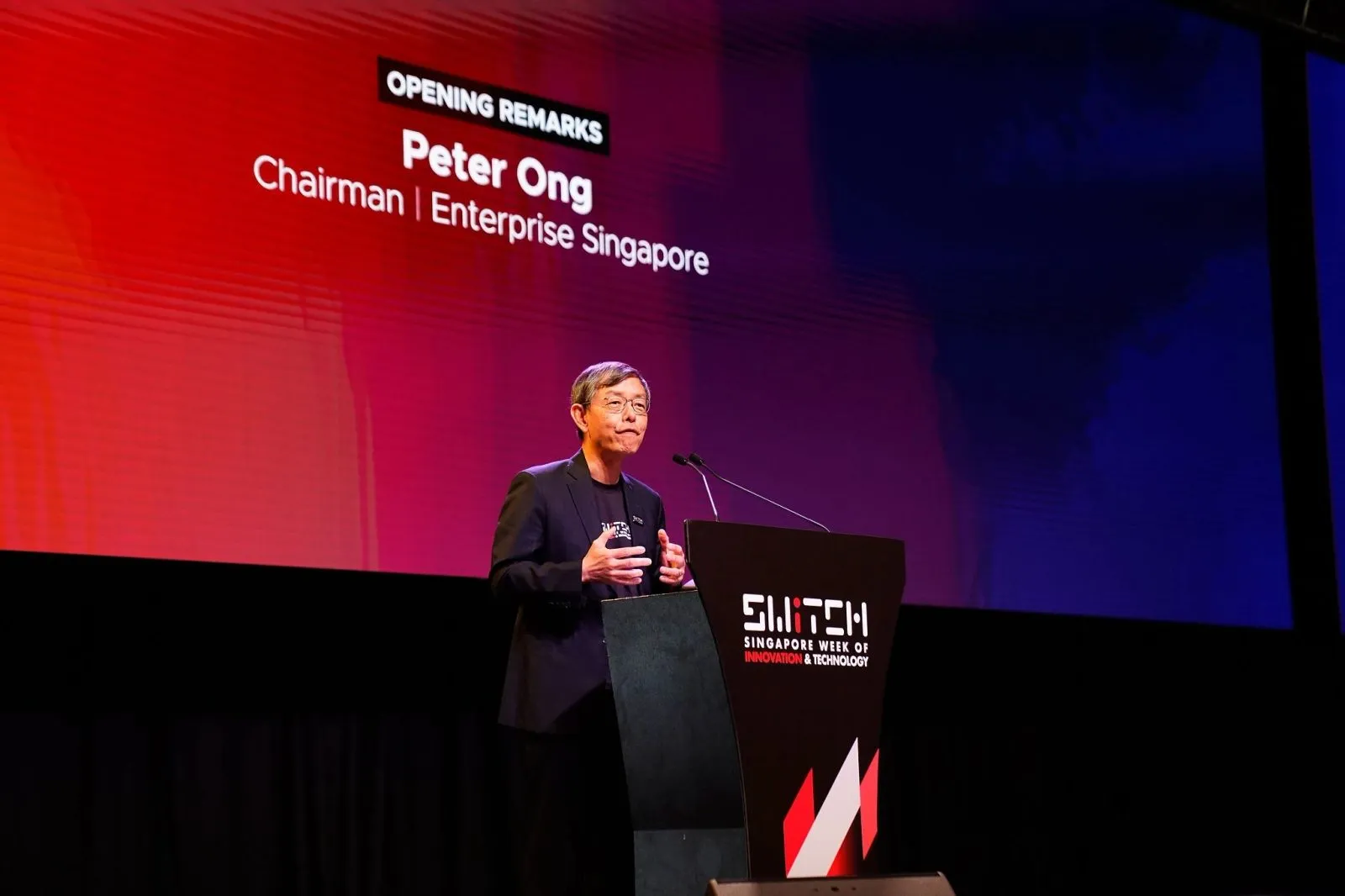
A photographer can document a confidential session for internal records only, provided this is agreed before the shoot, so coverage is scoped as internal documentation from the start rather than filtered afterwards from a public-facing shoot.
Key takeaways
- State upfront that a session is internal-only, not publishable, so the brief is scoped correctly from the start.
- Confidential sessions still need a shot list, just one built for an internal record rather than social or press use.
- Delivery for confidential content is usually a private, access-controlled gallery rather than a public link.
- Sign-off on what can leave the internal record should happen before any image is shared onward.
- Government and statutory board events often combine both internal and publishable coverage in one booking.
Separating internal-only documentation from publishable images
Confidential sessions come up more often than organisers expect: a closed-door briefing, a security-cleared visit, a sensitive internal review, or a rehearsal that should never surface publicly. The starting point is telling the photographer this upfront, not asking them to guess which images are safe to use afterwards. A brief that only describes the moments to capture, without stating the sensitivity, leaves the photographer working blind on the one detail that matters most.
Treating a confidential session as internal documentation from the outset changes how it is shot and handled. The photographer knows not to angle for a publishable hero shot, not to frame content for social use, and to keep the coverage functional, a clear record of who attended and what happened, rather than a polished set designed for wider circulation. This also changes pacing on the day, since a documentation shoot moves at the room's own rhythm rather than pausing for staged moments.
What to tell the photographer about confidentiality upfront
A useful confidentiality brief covers three things: what the session is for internally, whether any part of it may later become publishable, and who is authorised to view or release the images. If part of a longer event is confidential and part is not, for example a closed strategy session followed by an open networking segment, say so clearly, since the crew needs to know exactly where the line falls during the day rather than treating the whole booking as one uniform brief.
For government and statutory board events, this split is common. A restricted briefing session might sit alongside a public-facing segment on the same programme, and the coverage plan needs to treat them differently from the outset rather than sorting it out after the fact. Naming this at the briefing call, not in a footnote on the run sheet, is what gets it respected on the day.
How delivery is handled differently for confidential content
Publishable event photography is typically delivered as an online gallery, shareable by link, ready for social and press use. Confidential content is handled differently: a private, access-controlled delivery to a named recipient rather than an open gallery link, and no images pulled into any wider portfolio or highlights reel without separate permission. This distinction is worth stating explicitly in the brief rather than assumed.
Ask how the confidential set will be delivered, who can access it, and whether it is kept separate from any other coverage from the same event, so nothing from the internal record accidentally ends up alongside publishable material. If the same booking includes both a confidential segment and a public-facing one, request the two as separate deliveries rather than one combined gallery, even if the shoot itself happens back to back on the same day.
Getting sign-off before anything leaves the internal record
Even fully internal documentation sometimes needs a small excerpt released later, a single frame for an internal newsletter, for instance. The safest approach is a sign-off step: someone authorised on the organiser's side reviews and approves any image before it moves beyond its original internal purpose, rather than it being assumed acceptable by default because it happens to look presentable.
This is a small extra step at the briefing stage, agreeing who gives that approval and how it is requested, but it avoids a confidential image surfacing somewhere it should not. It costs nothing to set up in advance and is far harder to unwind after the fact, particularly once an image has already been shared internally beyond the original recipient list.
Briefing security-cleared or restricted-access venues
Some confidential sessions happen at venues with their own access controls, badge checks, restricted zones, or a no-photography policy in certain areas. Flag this to the photographer alongside the confidentiality instruction, since venue rules and content sensitivity are two separate things that both need to be respected on the day, and one does not automatically imply the other.
Where the venue itself requires security clearance for the crew, raise this as early as possible so accreditation or access approval does not become a last-minute scramble before the session begins. Government venues in particular often need names submitted ahead of time, and a photographer briefed on this early can plan around the lead time rather than being caught out at the door.
Questions organisers ask
Can a photographer document a confidential session for internal records only?
Yes, this is a routine request when it is scoped clearly at the briefing stage. The photographer treats the session as internal documentation from the start, rather than shooting it as a normal publishable event and sorting the content afterwards.
How is confidential content kept separate from publishable photos?
It is usually delivered through a private, access-controlled channel to named recipients rather than a shareable online gallery. It is also kept out of any general portfolio or highlights compilation unless separately approved.
Who should approve confidential images before they are shared further?
Whoever the organiser designates as the authorised reviewer, agreed before the shoot. This person signs off on any image before it moves beyond the internal record it was created for.
Does a confidential brief need a different shot list?
It still benefits from a shot list, but one built around an internal record rather than public-facing moments. This keeps the coverage functional and relevant to why the documentation was needed in the first place.
If you have a confidential session that needs documenting for internal records only, tell us the scope upfront and we will brief the crew accordingly. See how this fits alongside our government and statutory board coverage.
Related reading: Government Event Photography Singapore — GeBIZ-Registered · Contact RS Photography — Get a Singapore Event Quote · Event Photographer Singapore.
More guides: Is an internal sustainability town hall worth professional photography · Setting up a private, restricted-access live stream for internal sessions · What standard workshop documentation photography includes.
Let's talk
Planning an event in Singapore?
Send us the date, venue and programme. You will get a considered production plan and a fixed nett quote.