Briefing photography tone for a community session versus a formal ceremony
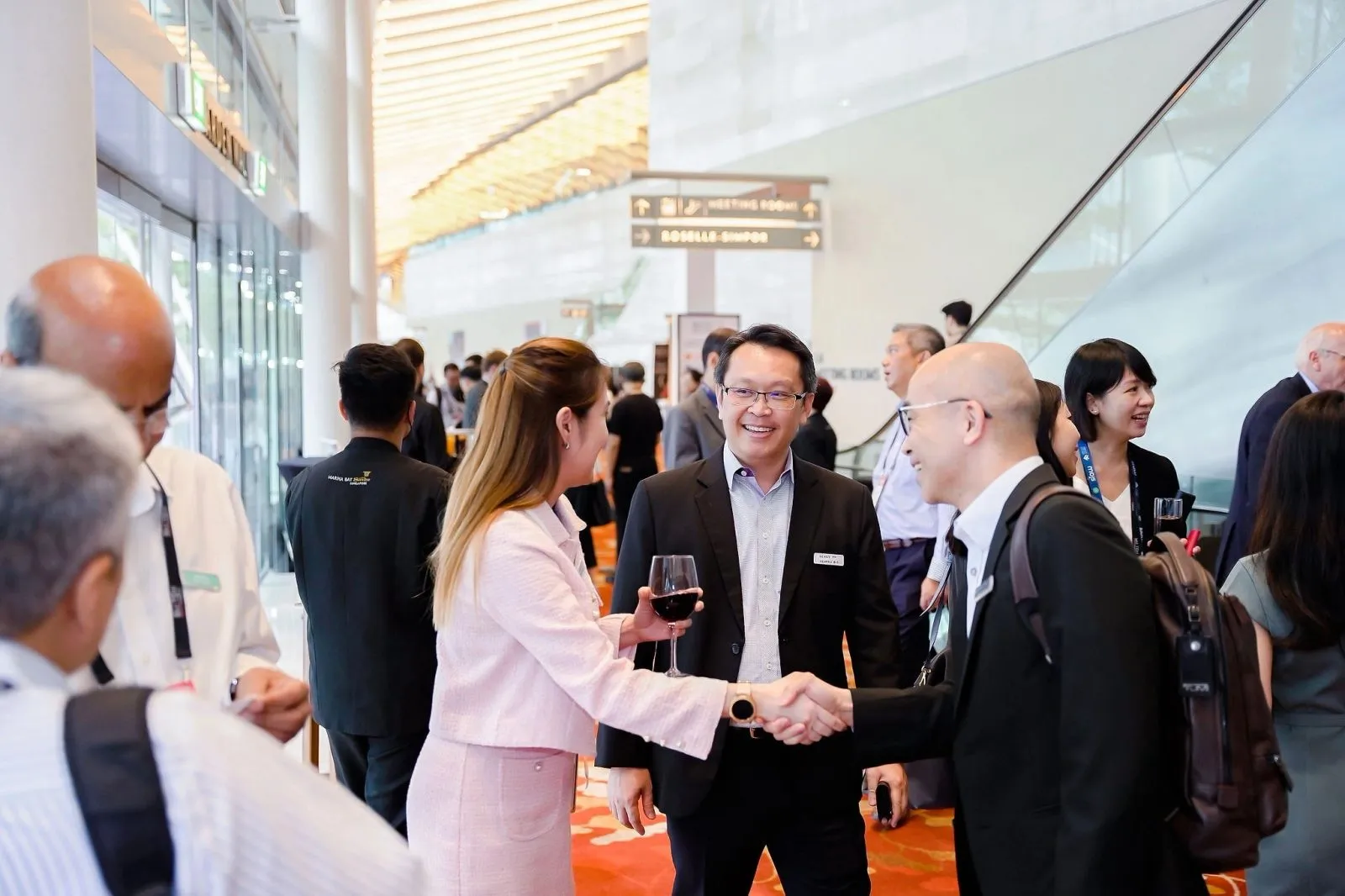
A community engagement session calls for a warmer, more candid photography brief than a formal ceremony, with less posing, closer framing on genuine interaction, and a photographer positioned to work the room rather than stand at a fixed point.
Key takeaways
- A ceremony brief and a community session brief should read differently, not use the same template.
- Warmth and candour come from positioning and framing choices, not just a friendlier photographer.
- Official documentation needs, such as a dignitary handshake, can still be covered inside a warmer style.
- State the tone explicitly in the brief rather than assuming the photographer will infer it from the venue.
- The same photographer can usually adjust style between formats if told in advance.
Why formal ceremony instincts don't fit a resident engagement session
A formal ceremony has a clear structure: a stage, a running order, a handshake or ribbon-cutting moment that needs to be captured cleanly and squarely. A photographer briefed for that format naturally positions for wide, symmetrical, well-lit set-piece shots and waits for the scripted moment.
A community engagement session, such as a resident dialogue or a neighbourhood feedback walkabout, has none of that structure. People are seated in small groups, conversations happen at table level, and the useful photographs are the ones that show genuine listening and exchange, not a stage moment. A photographer who defaults to ceremony instincts here tends to hover at a distance and shoot wide, missing the close, warm frames that represent the session. The result is a gallery that looks correct but reads as stiff, which undercuts a comms team trying to show a resident session as approachable rather than bureaucratic.
Briefing for warmth and candour instead of formality
Tell the photographer explicitly that this is a candid, conversational brief rather than a formal one. Useful direction includes asking for closer framing on individual conversations, natural expressions rather than posed looks to camera, and coverage that moves between tables or groups instead of holding one fixed position for the whole session.
It also helps to flag who the key figures are, such as the grassroots leader or agency representative running the session, so the photographer knows which conversations matter most without needing every attendee formally introduced. This is the same level of pre-briefing detail useful for any government or community event, adjusted for a different visual outcome.
Positioning that encourages natural interaction, not posed shots
Where the photographer stands changes what gets captured. For a warm, candid brief, ask the photographer to work from the side and slightly behind conversation groups rather than directly in front, which keeps attention on the exchange instead of the camera. Moving quietly between groups over the course of the session, rather than announcing each shot, produces more natural expressions.
If residents or attendees are likely to notice and pose the moment a camera appears, briefing the photographer to take a first unposed frame before any acknowledgement, then a second more composed one if useful, gives you options without forcing every moment into a stiff look-at-camera shot.
Balancing official documentation needs with an approachable feel
A community session may still need a handful of formal frames: a minister or grassroots leader greeting a resident, a group shot for the agency's own records, a banner or signage shot for context. These can sit alongside the candid coverage without dominating it, provided you tell the photographer roughly how many formal frames you need.
A useful approach is to ask for the formal, documentation-style shots early in the session while energy is fresh, then let the rest of the coverage run candid once those requirements are met. This avoids the whole session feeling posed because the crew kept returning to formal set-ups throughout. If a specific dignitary handshake or group photo is required for a report or press release, name it explicitly rather than leaving the photographer to guess which moment matters most out of a long, informal afternoon.
Communicating this tone shift clearly to your photographer
Put the tone explicitly in the written brief rather than relying on the venue or event type to communicate it. A line such as candid and warm, minimal posing, close on genuine interaction does more work than leaving the photographer to guess from the run sheet alone. Include one or two reference photos if you have examples of the look you want from a past session.
The same photographer can usually shift between a formal ceremony style and a warmer community style within the same week, or even the same day across different assignments, provided the brief states which format applies to which booking. Confirming this at the time of booking, rather than on the morning of the event, gives the crew time to plan positioning accordingly.
Questions organisers ask
How should photography tone differ for a community engagement session versus a formal ceremony?
A community session calls for closer, more candid framing on genuine interaction, with the photographer moving between groups rather than holding a fixed position. A formal ceremony calls for cleaner, more structured set-piece shots timed to a scripted moment such as a handshake or ribbon-cutting.
Can the same photographer adjust style between formal and informal government events?
Yes, provided the brief states which tone applies. Photographers who regularly cover both formats can shift positioning, framing and pacing between a candid community session and a formal ceremony within the same booking week.
How do we brief a photographer for warmth without losing official documentation shots?
Ask for a small number of formal, documentation-style frames early in the session, then let the rest of the coverage run candid. State the approximate number of formal shots needed so the crew does not keep returning to posed set-ups throughout.
Should the tone be written into the shot list or discussed verbally?
Put it in writing as part of the brief, with a short description such as candid and warm rather than a formal ceremony, so the direction does not depend on a verbal conversation being remembered correctly on the day.
For sessions that need a warmer, community-facing style, brief it directly with our government and community events team when you book.
Related reading: Government Event Photography Singapore — GeBIZ-Registered · Corporate Event Photography Shot List: Free SG Template · Clients, Case Studies & Reviews.
More guides: Getting the closing ceremony shots that matter · How to brief a photographer on your outdoor ceremony's weather contingency · Community club event photography: covering multiple activity zones.
Let's talk
Planning an event in Singapore?
Send us the date, venue and programme. You will get a considered production plan and a fixed nett quote.