One crew for conference photography and speaker interview clips
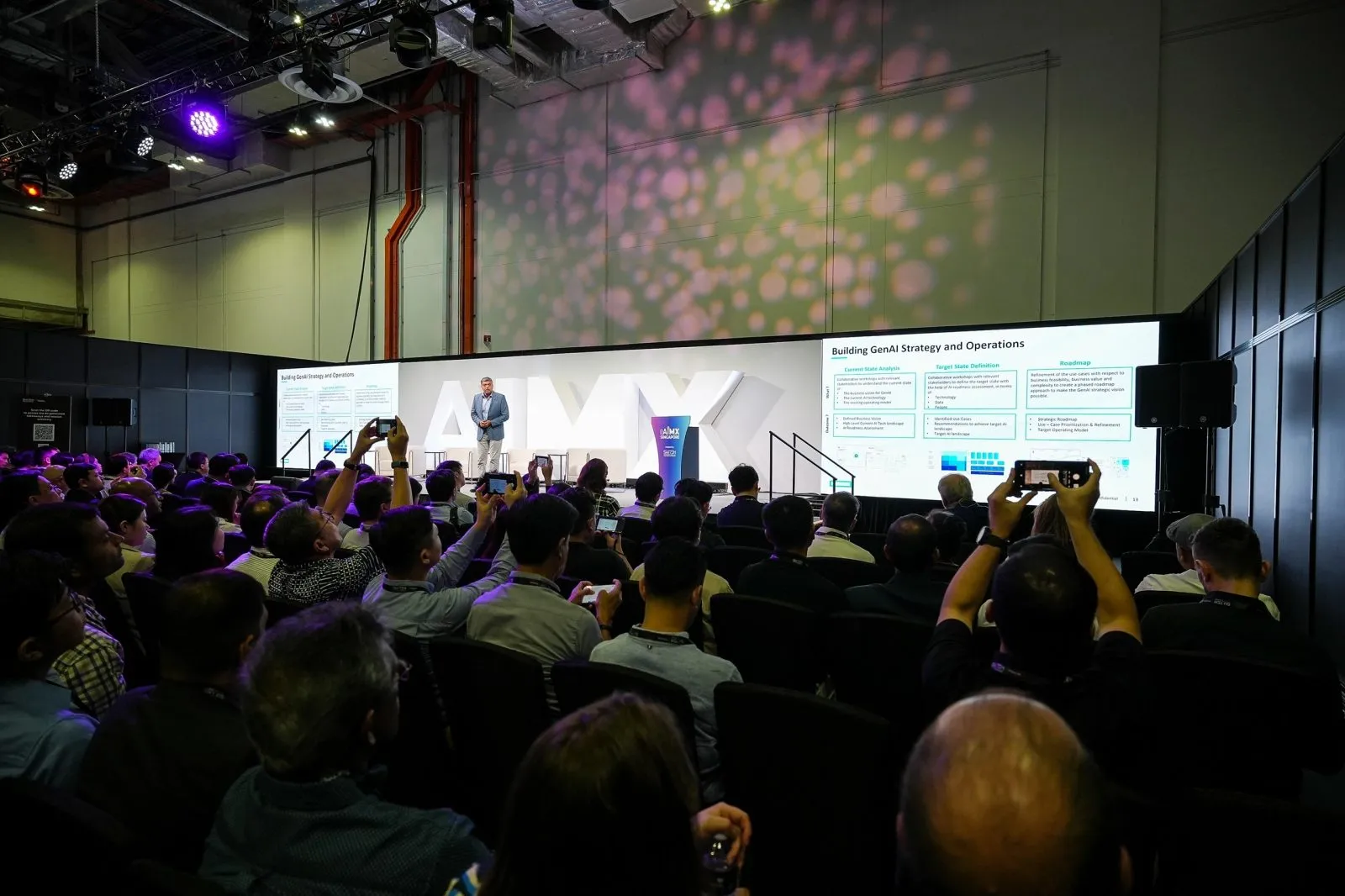
A combined crew can capture conference photography and short speaker interview clips within the same booking, scheduling interviews around the main programme rather than as a separate production. This avoids bringing in a second team, and the interview footage can be cut into a wrap-up video from the same event once the conference has ended.
Key takeaways
- A separate video team means two briefs, two run sheets and extra coordination.
- A combined crew captures standard photography plus short speaker interview clips.
- Interview slots work best fitted into confirmed breaks, not left to chance on the day.
- A wrap-up video benefits from a producer familiar with both photo and interview footage.
- One planning call covering both needs is usually simpler than two separate conversations.
Why bringing in a separate video team doubles the coordination
Bringing in a second team for video, on top of the photographer already booked for a conference, means two separate briefings, two run sheets, two sets of logistics to coordinate on the day, and often two cameras that can end up in each other's shots if the timing is not carefully managed. Each additional vendor adds its own point of contact, its own questions and its own scheduling constraints to a day that already has enough moving parts.
A single crew booked for both conference photography and short video captures one brief, one run sheet, and one team already coordinated with itself, without needing to synchronise two separate vendors on the same event day. This alone removes a meaningful amount of coordination work from the organiser's plate.
What a combined crew can capture: photos plus short interviews
A combined crew typically captures the same photography deliverables expected at any conference, keynote moments, panel shots, audience reactions, exhibitor booths where relevant, while also setting aside short windows to record brief speaker interviews. These interviews are usually kept short, a few minutes each, focused on a key takeaway or a quotable comment rather than a full-length conversation, since the goal is footage that can be cut into a short video rather than a standalone interview programme.
This combination works well for conferences where organisers want both a photo gallery for reporting and marketing, and short video content for social channels or a wrap-up recap, without needing two separate budgets to get both.
Scheduling interview slots around the main programme
Interview slots need to be scheduled around the main conference programme rather than competing with it, since a speaker pulled away during a session they should be attending creates its own problems. The practical approach is to identify short breaks, before a speaker's own session, during a networking break, or just after their talk when the topic is still fresh, and book a firm slot rather than hoping for a gap to appear.
Confirming these slots with speakers or their assistants ahead of the event, rather than trying to catch them on the day, considerably increases the chance the interview happens as planned. A short buffer either side of each slot also helps absorb small delays without derailing the rest of the schedule.
Producing a wrap-up video from the same event booking
Once the event wraps, interview clips and photography can be pulled together into a single short video that recaps the conference, key moments from the programme intercut with brief speaker comments. This produces a piece of content that a standalone highlight reel from photography alone cannot offer, since it includes actual speaker voices rather than only visual moments.
Because the same crew captured both elements, the wrap-up video also benefits from a producer already familiar with which moments and comments were strongest, rather than an editor working from footage handed over cold by a separate vendor. This familiarity often shows up as a tighter, more coherent edit.
Briefing both needs together in one planning call
Briefing both needs together, rather than treating photography and interviews as two separate conversations, means the crew understands from the start how the two pieces fit together. This single planning call can cover the conference programme and shot list alongside which speakers are available for a short interview and roughly when, so the crew arrives with both needs already built into their plan for the day.
This is usually simpler for the organiser too, one call and one brief rather than coordinating separate conversations with a photography vendor and a video team, and one fewer relationship to manage across the lead-up to the event.
Questions organisers ask
Can the same crew shooting conference photos also capture speaker interview clips?
Yes, a combined crew can capture standard conference photography alongside short speaker interview clips scheduled around the main programme, without needing a separate video team on site. This works especially well when organisers want both a photo gallery and short video content from the same event.
How are interview slots scheduled around the main conference programme?
Interview slots are typically fitted into short breaks, before a speaker's session, during a networking break, or just after their talk, rather than competing with the programme itself. Confirming these slots with speakers or their assistants ahead of the event increases the chance the interview happens as planned rather than being skipped on the day.
What does a wrap-up video from a conference typically include?
A wrap-up video usually combines key programme moments captured through standard photography and video coverage with brief speaker interview clips, cut together into a short recap. This gives organisers a piece of content with actual speaker voices, not only visual highlights, which tends to carry more weight when shared after the event.
Is it more efficient to book one crew for both photography and interviews than two separate vendors?
Generally yes, since one crew means a single brief, a single run sheet, and no risk of two separate teams' cameras appearing in each other's shots. It also usually simplifies scheduling for the organiser, who deals with one point of contact instead of two throughout the planning process.
If your conference needs both photography and short speaker interview clips, our corporate video page sets out how our crew combines the two in one booking.
Related reading: Conference Photography Singapore · Corporate Video Production Singapore · How Many Photographers Does Your Conference Need?.
More guides: Briefing Speaker and Audience Shots for a Masterclass · One recap video or several clips for a dealer network conference · Briefing government speakers at a telecom industry conference.
Let's talk
Planning an event in Singapore?
Send us the date, venue and programme. You will get a considered production plan and a fixed nett quote.