Who coordinates the photographer, AV vendor and organiser on event day
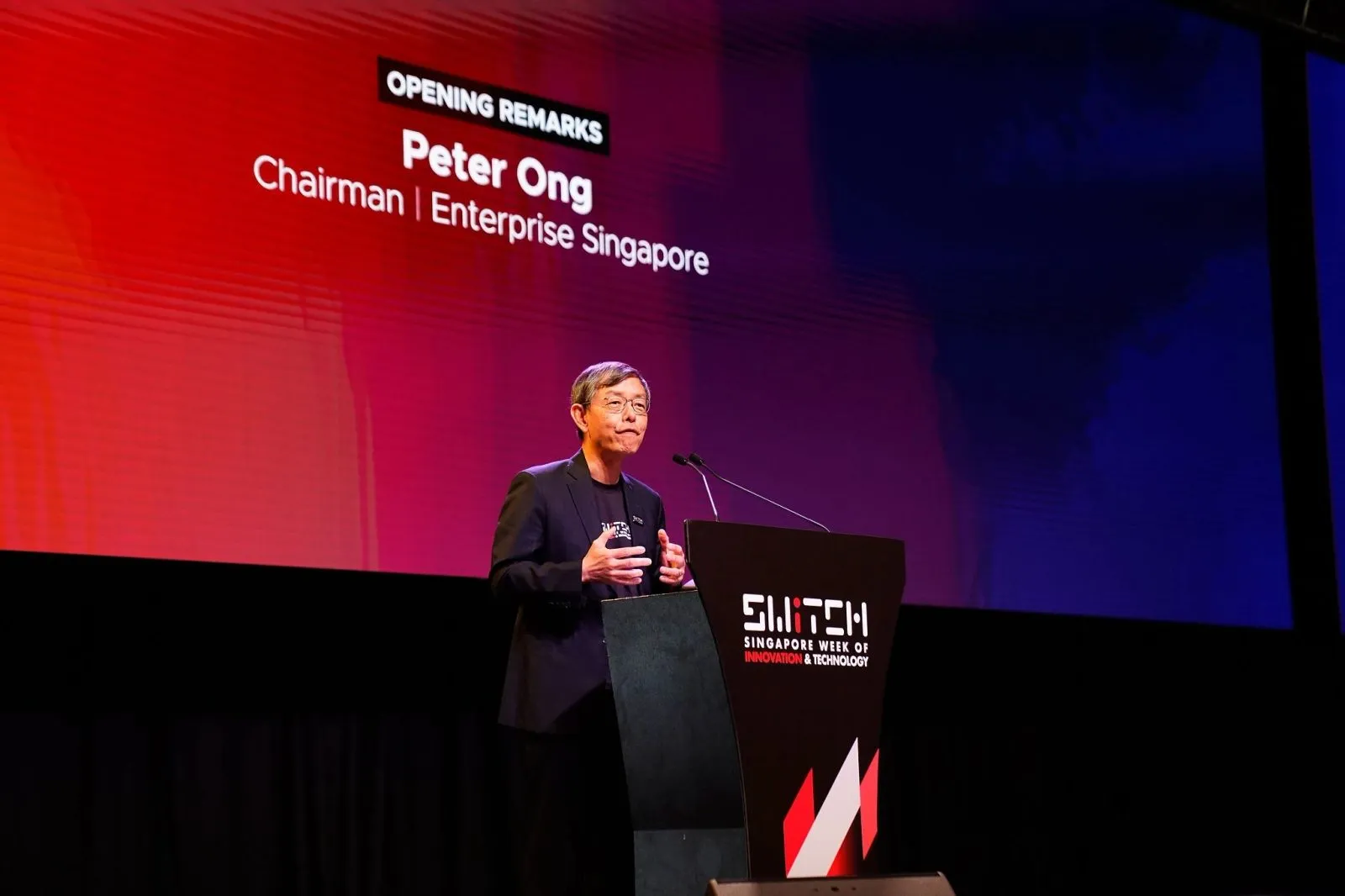
On most events, the organiser names one person as the single point of contact between the photographer, the AV vendor and their own internal team, so schedule changes and priorities pass through one channel instead of several.
Key takeaways
- A named coordinator stops the photographer and AV vendor receiving conflicting instructions.
- The photographer and AV vendor usually talk to each other directly only for shared logistics, like stage access and lighting.
- A written run sheet shared before the event reduces confusion once the floor gets busy.
- Agree the coordination structure at the briefing stage, not on the morning of the event.
- A single point of contact matters most when several vendors share a stage or a tight programme.
Why multiple vendors need one coordinating point
A typical conference or gala involves a photographer, an AV vendor running sound and screens, sometimes a live streaming crew, an emcee and the organiser's own event team. Each vendor is focused on their own job: the photographer is watching the stage and the room, the AV vendor is watching levels and cues. Neither is positioned to track the whole programme.
Without a coordinating point, a timing change made to one vendor does not reach the others. A speaker swap communicated to the AV vendor but not the photographer means the photographer is still braced for the wrong name on stage. A stage move told to the photographer but not AV means the microphone hand-off happens in the wrong spot. One coordinating point, usually from the organiser's side, means a change is logged once and pushed out once, rather than repeated informally to each vendor separately and inevitably dropped somewhere along the way.
What the organiser's point of contact typically handles
The organiser's coordinator is usually the person who wrote or approved the run sheet, so they hold the most current version of the programme. In practice they handle three things: confirming timing changes to every vendor at once, resolving priority calls when two things need coverage at the same moment, and being the person each vendor can reach directly rather than guessing who to ask.
This does not need to be a senior person. It is often a project executive or an EA who is already tracking the programme closely, has a phone that is answered all day, and is briefed on which moments matter most, an award reveal, a VIP arrival, a group photo. The photographer and AV vendor both work better with one clear name to call than with a shared event inbox nobody is watching in real time.
How the photographer and AV vendor communicate with each other
The photographer and AV vendor do talk to each other directly, but mostly for shared physical logistics rather than programme decisions. Stage lighting affects the photographer's exposure settings, so a quick check on what the AV vendor is running for the keynote saves surprises. Camera positioning affects the AV vendor's sightlines for their own recording setup, so agreeing where each crew stands avoids one blocking the other.
Programme decisions, in contrast, route back through the organiser's coordinator. If the photographer notices the schedule is running late, they flag the coordinator rather than negotiating a revised cue directly with AV. This keeps one person holding the accurate version of the day, instead of two vendors quietly working from slightly different timelines.
Setting this structure up before the event day
This works best when it is agreed at the briefing stage, not improvised on the day. A short call or written note before the event, naming the coordinator, sharing their number with every vendor, and confirming the run sheet is the single reference document, removes most of the ambiguity. Live streaming and hybrid events add another layer, since the streaming crew often needs the same rehearsal window as the photographer and AV team.
Vendors who have covered corporate events together before tend to settle into this naturally. First-time combinations benefit from spelling it out early: who calls timing changes, who each vendor contacts if something shifts, and what happens if the coordinator is briefly unreachable during the programme.
What goes wrong without a clear coordination structure
The most common failure is not a missed shot, it is duplicated effort and mixed messages. Two vendors each independently ask the same speaker to hold for a photo, or the photographer waits for a cue that AV already gave verbally to someone else. Neither vendor is wrong, the structure simply was not there to catch the gap.
The fix is not more meetings, it is one clear owner. A short pre-event note naming who coordinates, distributed to every vendor and the internal team, resolves most of this before it becomes a problem on the day itself.
Questions organisers ask
Does the photographer coordinate directly with the AV vendor?
Yes, but mainly for shared physical logistics such as stage lighting and camera positioning. Programme timing decisions usually still route through the organiser's own coordinator, so both vendors are working from the same current schedule.
Who is ultimately responsible for keeping vendors aligned?
The organiser's named point of contact carries this responsibility, since they hold the most current version of the run sheet and programme. Vendors can flag issues, but the coordinator is the one who confirms changes across the whole event day.
Does this coordinator need to be a senior staff member?
No. It is often a project executive or an EA who already tracks the programme closely and can be reached throughout the event. What matters is that every vendor has one confirmed number to call, not the seniority of the person answering it.
What happens if a timing change happens without going through the coordinator?
It usually surfaces as a mismatch on the day, such as the photographer expecting one cue while the AV vendor is working from another. Routing every change through a single person, even a small one, keeps the vendors aligned throughout the programme.
If you are lining up a photographer alongside AV or streaming vendors for an upcoming event, send us the run sheet and we will confirm how our crew fits into your coordination plan. Get in touch to talk through your event day structure.
Related reading: Event Live Streaming Singapore · Event Photographer Singapore.
More guides: Why your event needs one point of contact for the photographer · Who is your point of contact on the ground in Singapore · Setting up a Singapore point of contact when nobody from your team is flying in.
Let's talk
Planning an event in Singapore?
Send us the date, venue and programme. You will get a considered production plan and a fixed nett quote.