Why your event needs one point of contact for the photographer
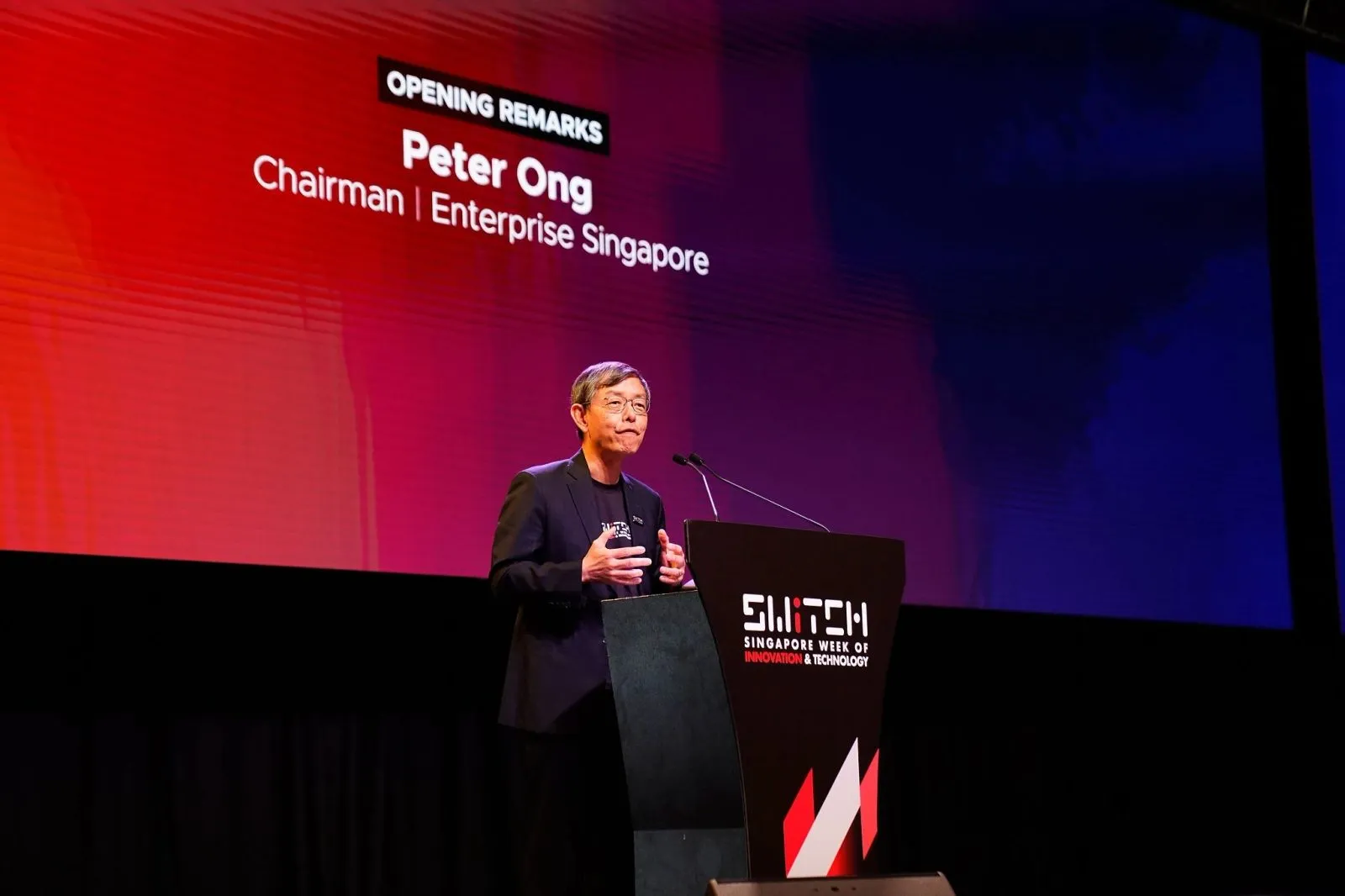
A single point of contact keeps the photographer working from one consistent set of instructions instead of several people, each with a different sense of priority, directing the crew in different directions during the event.
Key takeaways
- Multiple people directing a photographer usually leads to conflicting or duplicated instructions
- One point of contact keeps the shot list and any last-minute changes consistent
- The role usually suits whoever already owns the programme, such as the event manager
- Other stakeholders can still flag requests through that one person rather than approaching the crew directly
- Briefing the wider team on this arrangement avoids well-meaning interruptions on the day
What happens when multiple people direct the photographer
On a busy event day, several people naturally want to flag something to the photographer: a sponsor representative wants their booth covered, a department head wants their team photographed, a speaker's assistant has a specific request. Individually, each of these seems reasonable. Together, without coordination, they pull the crew in different directions and away from the shot list that was agreed in advance.
The result is often a photographer who spends the day reacting to whoever spoke to them most recently, rather than working through a planned sequence of priority moments. Genuinely important shots, such as a scheduled award presentation, can get missed because attention was pulled elsewhere by an unplanned request just before it happened.
Why one point of contact avoids conflicting instructions
When every request routes through a single person, that person can weigh it against the existing shot list and priorities before passing it on, rather than the photographer having to make that judgement call themselves in the middle of an event. This also means the photographer only needs to track one source of truth for what matters most at any given moment.
It does not mean other people cannot have input. It means their input goes through one filter first, which catches duplicate or conflicting requests before they ever reach the crew and disrupt whatever they are already covering.
Who typically takes on this role
The event manager or the person who owns the overall programme is usually the natural fit, since they already have visibility across the full run of show and the authority to make priority calls if two requests genuinely conflict. For larger events, this might be a dedicated production coordinator rather than the most senior person in the room, since availability throughout the day matters more than seniority.
Whoever takes the role needs to be reachable for the full event, not just available at the start. A point of contact who disappears once the programme is underway defeats the purpose, since most of the value comes from handling changes as they happen.
Briefing the rest of the team on this arrangement
The arrangement only works if the wider team knows about it before the event, not just the photographer. A short note in the event brief or a mention during the pre-event walkthrough, stating that all photography requests should go through the named coordinator, sets the expectation early rather than leaving colleagues to discover it by being redirected on the day.
This is a small piece of communication that saves a lot of friction. Without it, well-meaning colleagues will still approach the photographer directly out of habit, simply because nobody told them the process had changed for this event.
What the point of contact manages
Beyond fielding requests, the point of contact is also the person who communicates programme changes to the crew, confirms VIP timing updates, and makes any on-the-day call about priority if two things happen at once. This concentrates the decisions that affect coverage into one role, rather than scattering them across whoever happens to be near the photographer at a given moment.
It is worth this person carrying a copy of the shot list themselves, so requests can be weighed against what was already planned rather than added on top without any sense of whether they displace something more important.
Keeping the arrangement simple on smaller events
For a small event with a short programme, this can feel like unnecessary structure, and in some cases it is. The principle still applies at a smaller scale though: even a two-person events team benefits from agreeing which one of them talks to the photographer, rather than both giving instructions independently and assuming the other has covered it.
The size of the event changes how formal this needs to be, not whether it is worth doing at all. A single sentence agreeing who is the contact for the day is often all a smaller event needs.
What good coordination looks like in practice
On events where this works well, the pattern is usually the same: the photographer knows exactly who to check with when something unclear comes up, that person carries the shot list and the latest programme updates, and everyone else on the events team knows to route requests through them rather than approaching the crew directly. None of this requires special tools or a formal system, just a clear agreement made before the event starts.
The payoff shows up in the final gallery. Coverage that follows the planned priorities tends to be more consistent than coverage assembled from whichever requests reached the photographer first on a busy day.
Questions organisers ask
Can more than one person still flag things to the photographer?
Ideally, requests are routed through the single point of contact first, even if several people have input, so the coordinator can weigh new requests against the existing shot list before passing anything on to the crew.
Who should be designated as the point of contact?
This usually suits the event manager or whoever owns the overall programme, since they already have visibility across the full run of show. For larger events, a dedicated production coordinator who is reachable throughout the day can work well too.
Does this arrangement apply to small events as well?
Yes, even a small events team benefits from agreeing who speaks to the photographer, though it can be handled more informally than on a large multi-stakeholder event. The principle of one consistent source of instructions still helps.
Planning your next event's briefing structure, talk to us about how a single point of contact fits into the shot list and crew coordination.
Related reading: Corporate Event Photography Shot List: Free SG Template · How to Choose an Event Photographer in Singapore (2026) · Corporate Event Photographer Singapore.
More guides: Who is your point of contact on the ground in Singapore · Setting up a Singapore point of contact when nobody from your team is flying in · Who coordinates the photographer, AV vendor and organiser on event day.
Let's talk
Planning an event in Singapore?
Send us the date, venue and programme. You will get a considered production plan and a fixed nett quote.