Structuring a multi-session corporate training video shoot
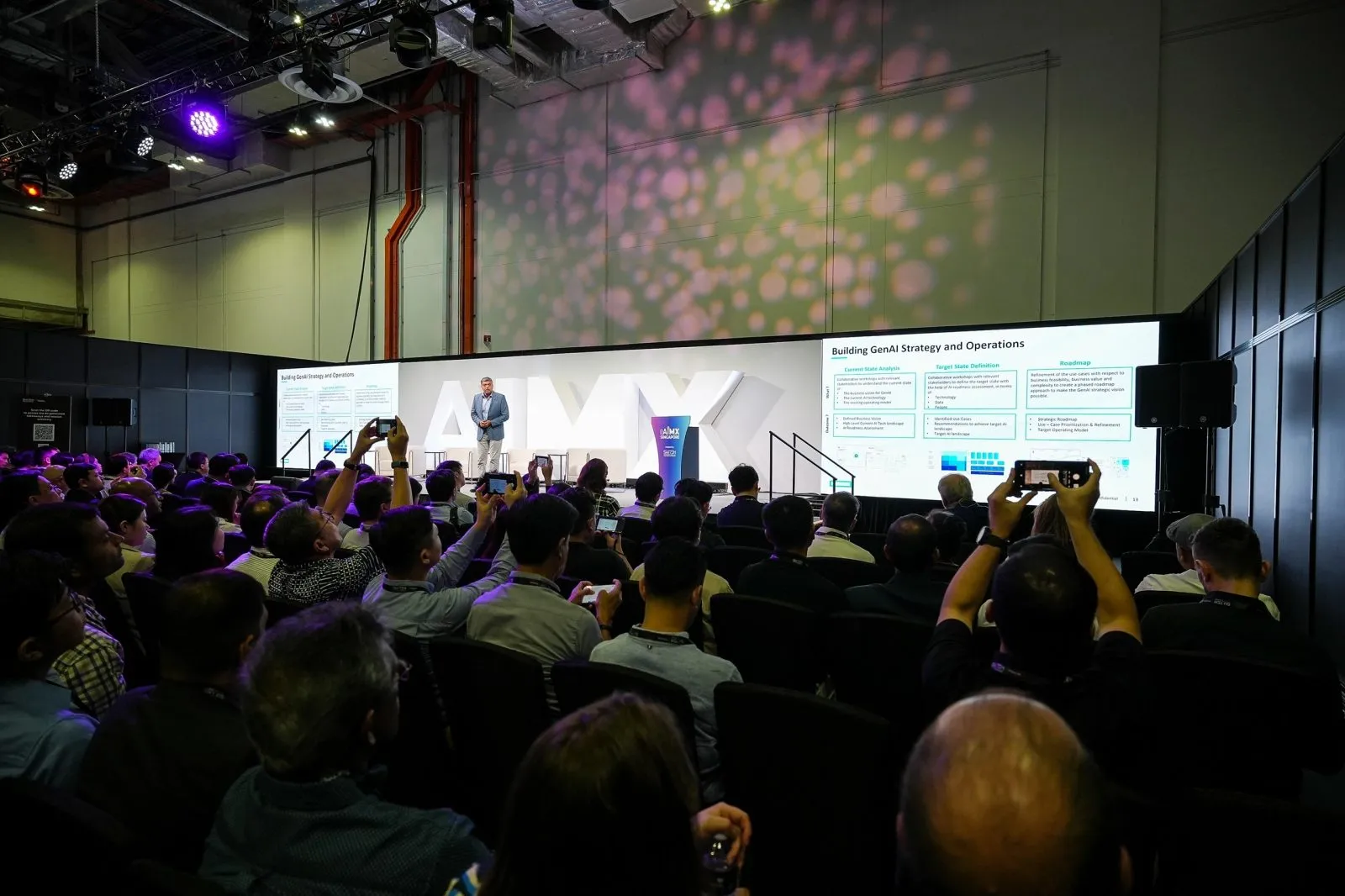
A corporate training video series can be produced across several shorter filming sessions instead of one long day, as long as tone and visual style are kept consistent between sessions.
Key takeaways
- A training video series does not need to be filmed in one continuous shoot day
- Scoping production across shorter sessions works better around trainer and subject availability
- Consistent lighting, framing and delivery style across sessions matters more than filming everything at once
- Coordinating multiple people's schedules is usually the main constraint, not the filming itself
- Modular videos let new hires watch topics in sequence rather than sitting through one long recording
Why a training video series doesn't need one long shoot day
A set of training videos covering different topics, such as onboarding, compliance and role-specific procedures, is often assumed to need one marathon filming day to get everything done. In practice, a training series usually works better spread across several shorter sessions, because each topic tends to have a different presenter, a different location, or different supporting material.
Trying to compress several distinct topics into one long day also risks fatigue showing on camera, both for the presenter and for the crew trying to keep quality consistent late into a session. Shorter, well-prepared sessions on separate days generally produce cleaner footage than one exhausting shoot.
This approach also gives the company flexibility to add or revise a module later without disrupting an already-completed production. It also means budget can be spread across the production period rather than committed all at once for a single large shoot day.
Scoping production across several shorter sessions instead
Once the topics for the training series are set, each one can be scheduled as its own short session, often with a different subject matter expert or trainer presenting. This means the production vendor is booked for shorter blocks of time spread across a period, rather than one long booking.
It helps to group similar topics together where possible, for example presenting on the same day if the same trainer or the same location applies to more than one module. This reduces the number of separate setups the crew needs to do, even while keeping each session itself short.
Sharing the full list of planned modules at the start, even if filming will happen gradually, lets the vendor plan crew availability and keep visual consistency across the whole series. It also allows the vendor to flag early if a particular module will need a different setup, such as a demonstration on a factory floor instead of a seated interview.
Keeping visual and tone consistency across sessions
New hires watching a training series expect it to feel like one connected programme, not a set of unrelated recordings. This means using the same camera setup, lighting approach and graphic templates across every session, even when they are filmed weeks apart with different presenters.
Keeping a consistent intro and outro treatment across all modules also reinforces that they belong to the same series. A production vendor working across multiple sessions should keep notes on the exact settings and setup used in the first session so later ones can match it precisely.
This consistency matters more for a training series than for a one-off video, since viewers are comparing modules against each other directly as they work through the programme. A shared style guide, even a simple one covering colours, fonts and intro timing, makes it easier for the crew to maintain this over a longer production period.
Coordinating trainer and subject availability with the crew
The biggest scheduling challenge in a multi-session training shoot is usually not the crew's availability but the trainers' and subject matter experts' calendars. Different departments often need to release different people for their session, which can stretch the overall production timeline if not planned for early.
Sharing a rough production calendar with all department heads at the start, rather than booking sessions one at a time as availability comes up, tends to keep the whole series moving without long gaps between modules.
It also helps to identify a backup presenter for any module where the primary trainer's schedule is uncertain, so a single unavailable person does not stall that part of the series. Building a small buffer into the overall production timeline for at least one rescheduled session is a realistic way to plan for this.
Delivering modular videos new hires can watch in sequence
The end goal of a multi-session shoot is usually a set of standalone modules that new hires can watch in order, each covering one topic without needing the others to make sense. Structuring each session's script and content to stand alone, even while contributing to the wider series, supports this.
It is worth confirming early how the modules will be hosted and played back, whether through a learning management system or a simple shared folder, since that can affect file format and length recommendations. Our corporate video team scopes multi-session training productions once the full list of topics and presenters is known, and can advise on a realistic session-by-session schedule from that point.
Questions organisers ask
Can a training video series be shot across multiple sessions instead of one day?
Yes, this is a common and often preferable approach, since different modules usually involve different trainers or locations. Shorter, well-prepared sessions tend to produce more consistent footage than one long, exhausting shoot day.
How is consistency maintained across a multi-session training video shoot?
The crew uses the same camera setup, lighting approach and graphic templates across every session, even when they are filmed weeks apart. Keeping detailed notes from the first session helps later ones match it closely.
What usually causes delays in a multi-session training video production?
Coordinating trainer and subject matter expert availability across departments is typically the bigger scheduling challenge, more so than the production crew's own availability. Sharing a production calendar early with all departments helps avoid long gaps between sessions.
Should each training video module stand alone?
Yes, most training series are designed so new hires can watch modules in sequence, with each one covering its topic without depending on the others. This is usually built into the script and structure of each session from the start.
If you are planning a training series across several sessions, our corporate video page covers how modular productions like this are typically scoped.
Related reading: Corporate Video Production Singapore · Event Videography Rates Singapore: What Video Costs (2026) · The Crew — Our Photographers' Best Work.
More guides: Briefing a promotional teaser video for a training workshop · Filming a corporate video across multiple Singapore locations · Event photography at the Lifelong Learning Institute.
Let's talk
Planning an event in Singapore?
Send us the date, venue and programme. You will get a considered production plan and a fixed nett quote.