Hotel and Venue Photography for MICE Marketing in Singapore
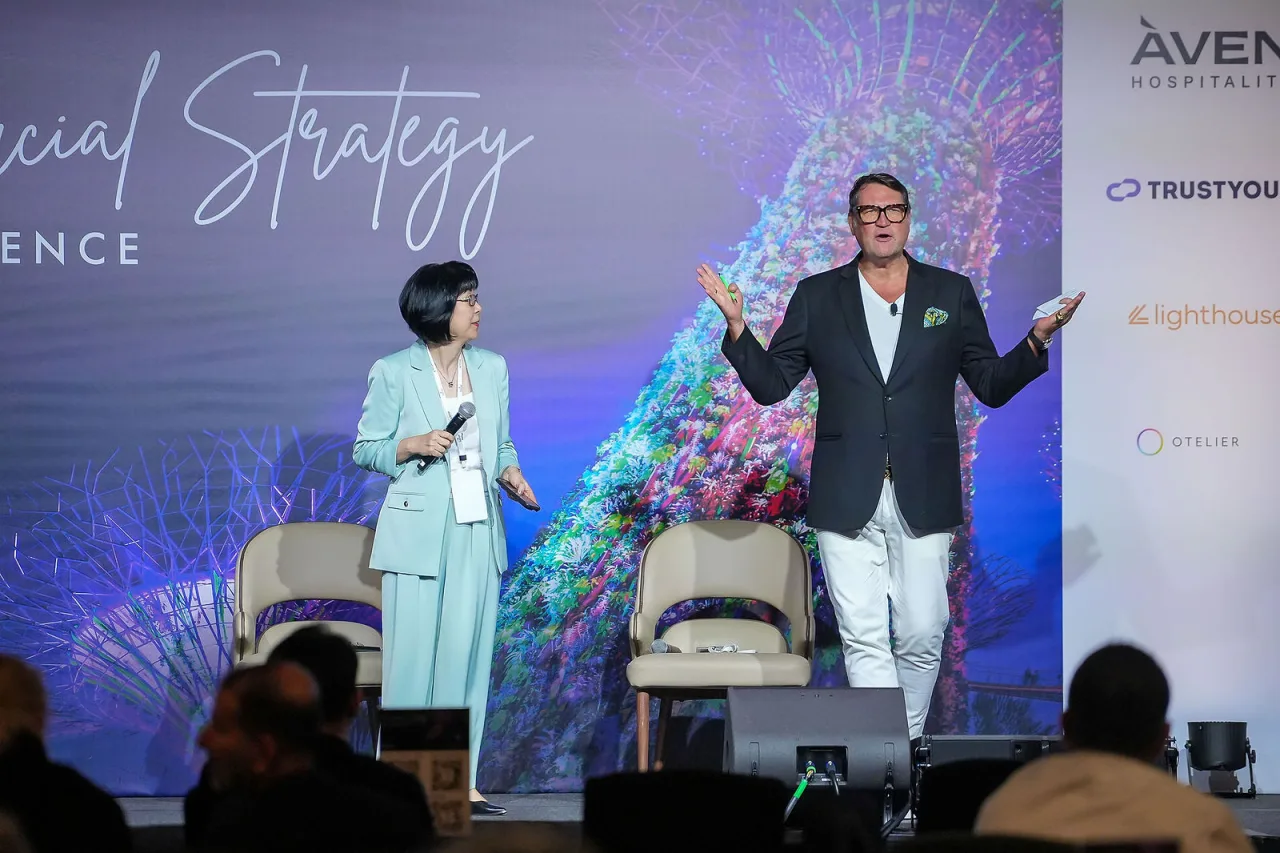
Short answer: Event planners book venues they can picture their event in. A venue's MICE photos should show:
- each function room in its main setups: theatre, classroom, banquet, cocktail
- the room during a real event, with people, lighting and staging
- the details planners ask about: pre-function areas, F&B, AV, access and views
Combine a staged shoot of empty, perfectly set rooms with photos from real events (with client permission), and update them every year or after a renovation.
Written by Ricky Ee, Director of RS Photography. We photograph conferences, galas and corporate events in Singapore hotels and venues, and work with venue teams on event space photography.
What event planners want to see
| Planner's question | Photo that answers it |
|---|---|
| "Will my 300 guests fit?" | Wide shots of the room in banquet and theatre setups, ideally with capacity noted in the caption |
| "What does it look like with an event in it?" | Photos from real events: staging, lighting, screens, guests |
| "Where do guests register and network?" | Pre-function areas, foyer, registration counters |
| "Is the AV good?" | Screens, stage, lighting rigs and control positions |
| "How is the food?" | Coffee breaks, buffet and plated dinner set-ups |
| "Can we do breakouts?" | Smaller meeting rooms in classroom and boardroom setups |
| "How do guests get here?" | Entrance, lobby, drop-off and directions to the function rooms |
| "Is there anything special?" | Views, outdoor terraces, unique spaces |
Room setups to photograph
Photograph each main function room in the setups planners book most:
- Theatre: rows facing the stage, for conferences and town halls
- Classroom: tables facing the front, for training and seminars
- Banquet / rounds: round tables, for dinners and award nights
- Cocktail: open space with high tables, for receptions and networking
- Cabaret: half-round tables facing the stage, for workshops
- Boardroom / U-shape: for meetings and smaller sessions
Use the same camera positions for each setup, so planners can compare. Note the capacity of each setup in the captions or on the website.
Staged shoots vs real events
Staged shoots (empty rooms)
Good for: clean, perfectly set rooms that show the space and its capacity.
- Book the room when it's free, with banquet staff to set it up.
- Dress tables as for a premium event: linen, centrepieces and place settings.
- Use the room's full lighting, including feature and stage lighting.
- Shoot the same setups each time you update photos.
Real events (with people)
Good for: showing atmosphere, energy and what an event actually looks like.
- Get the client's permission before using event photos in your marketing.
- Avoid identifiable guests, or get consent, and remove client logos if needed.
- Coordinate with the event's photographer. Often the same team can shoot a short set for the venue at the same time, with the client's agreement.
The best galleries use both: staged photos for the room specifications, and event photos for atmosphere.
People in venue photos
Rooms with people look more inviting than empty rooms, but people bring privacy and consent issues.
- Staged with staff or models, who sign releases, is the safest option for marketing.
- Real event guests only with consent, or shot so individuals can't be identified, for example from behind, out of focus or at a distance.
- Service staff in uniform, serving or setting up, show the venue's service.
See our PDPA consent guide for event photography.
Lighting and technical tips
- Shoot rooms with their own lighting on and add light where needed, so photos match what clients will see.
- Balance window light: rooms with views look best when both the view and the room are correctly exposed.
- Straight lines: use a level camera and corrected lenses, so walls and columns stay vertical.
- Screens on: put the venue's branding or a sample event slide on the screens.
- Exteriors: shoot the building at dusk for the best light. Aerial views need a licensed drone operator and permits.
F&B and details
MICE planners care about catering as much as the room:
- Coffee break set-ups, presented as for a real conference
- Buffet and plated dinner presentations
- Signature dishes and drinks for galas
- Details: table settings, centrepieces, registration counters and signage
Keeping photos current
- Update yearly, and after any renovation or new décor.
- Add new event photos throughout the year from client events, with permission.
- Organise the image library by room, setup and use: website, proposals, social media and travel trade.
- Match the photos to the website and proposals, so planners see the same rooms everywhere.
Budget
Venue photography is usually priced by shoot days: one day covers several rooms and setups, depending on how quickly banquet staff can turn rooms around. Add retouching, F&B styling and any aerial exteriors. For general pricing, see corporate photography costs in Singapore.
FAQ
What photos should a hotel use to sell its event spaces?
Each main function room in its key setups (theatre, classroom, banquet and cocktail), photos from real events showing atmosphere, pre-function areas, AV, F&B set-ups, access and any special spaces such as terraces or views.
Should venue photos show empty rooms or real events?
Both. Staged photos of empty, perfectly set rooms show the space and capacity. Real event photos, used with client permission, show atmosphere and what an event looks like.
Can venues use photos from client events in their marketing?
Only with the client's permission. Avoid identifiable guests unless they have consented, and remove client logos if needed. Coordinate with the event's photographer to capture a venue set at the same time.
How often should venue photos be updated?
Every year, and after any renovation or change in décor. Add new event photos throughout the year from client events with permission.
How many rooms can be photographed in one day?
It depends on how quickly banquet staff can reset rooms between setups. A typical shoot day covers several rooms in two or three setups each, plus pre-function areas and F&B.
Summary
For hotel and venue photography in Singapore:
- photograph each room in its main setups from the same positions
- combine staged photos with real event photos used with permission
- show people, F&B, AV and access
- update yearly, with an organised image library
Updating your venue's MICE photos? Send RS Photography your list of function rooms and setups, and we will reply with a nett quotation and a shoot plan. Request a venue photography quotation
Related reading: Corporate event photography in Singapore: the complete guide
Let's talk
Planning an event in Singapore?
Send us the date, venue and programme. You will get a considered production plan and a fixed nett quote.