Live streaming versus recording only: deciding what your event needs
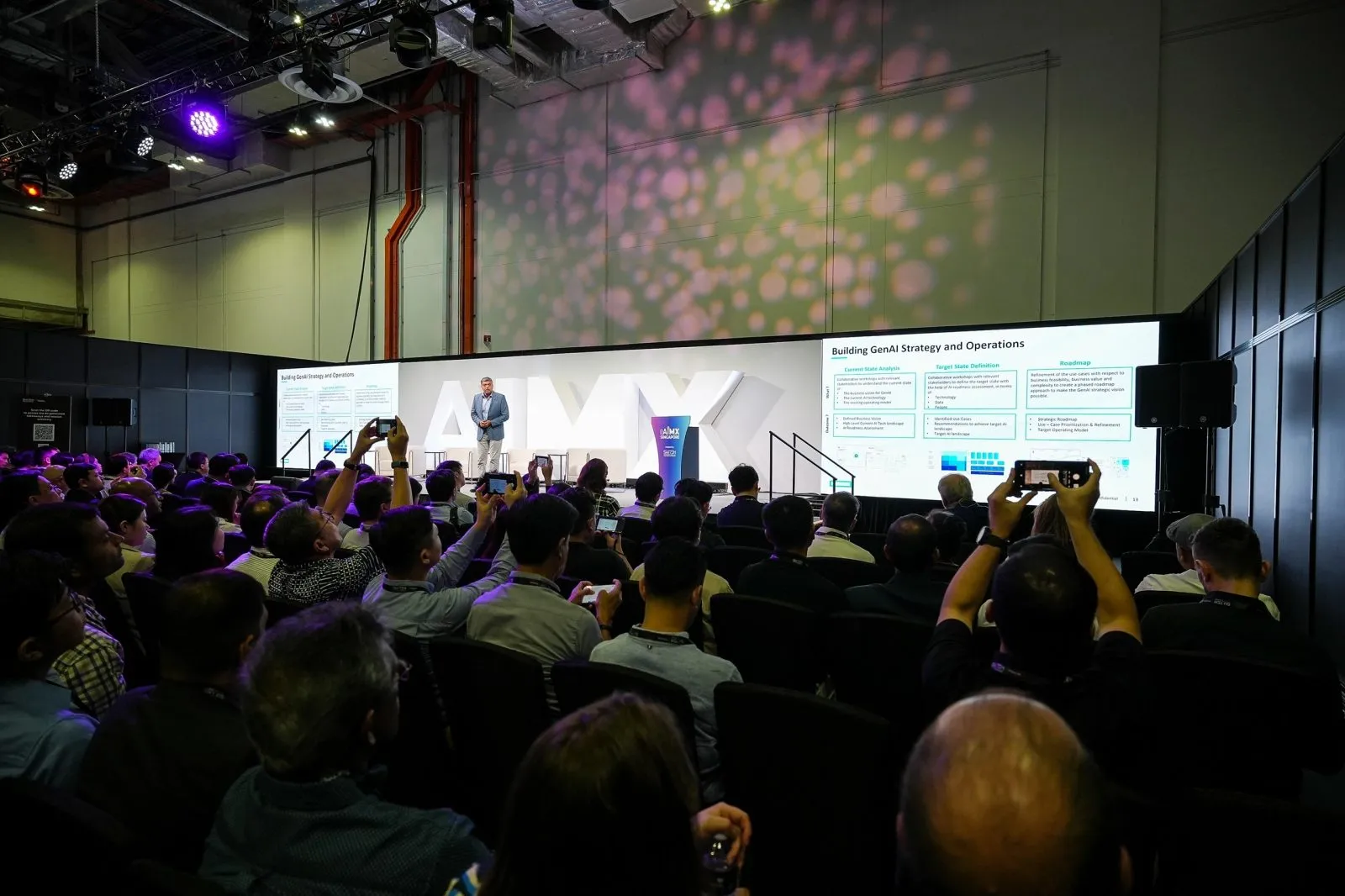
Live streaming is worth the extra setup when an audience genuinely needs to watch in real time, while a recording delivered afterward is often enough when the content will simply be reviewed or shared later. The decision usually comes down to audience timing rather than production budget alone, and it is worth deciding deliberately rather than defaulting to whichever option was used last time.
Key takeaways
- Live streaming adds real-time viewing for a remote audience, which a same-day recording cannot replicate.
- Real-time viewing matters most when a decision, announcement or shared moment needs to land at the same time for everyone watching.
- A recorded video alone is often sufficient when the content will be reviewed or shared on a flexible timeline.
- Live streaming generally involves more setup complexity than recording only, including redundancy planning.
- An event can be streamed live and recorded at the same time, keeping both options available afterward.
What a live stream adds that a recording afterward doesn't
A live stream lets a remote audience experience an event as it happens, which matters when the moment itself is part of the value, an announcement landing at the same time for everyone, a shared reaction to a keynote, or a hybrid conference where remote delegates are meant to feel part of the room in real time.
A recording delivered afterward, however quickly, cannot replicate that shared, simultaneous experience. It is a different kind of value, not a lesser one, but the two serve different purposes and it is worth being clear about which one the event needs. Naming the actual reason a stream is being considered, rather than defaulting to it, usually settles the question quickly.
When audience timing makes live streaming worth the extra setup
Live streaming earns its extra setup complexity when the audience's timing genuinely matters: a product launch where the announcement needs to be simultaneous across regions, a formal proceeding where stakeholders expect to watch it happen, or a hybrid conference where remote delegates paid to attend live rather than watch a recording later.
If none of these apply, and the audience is equally happy watching the content a day or two later, the case for live streaming's added cost and technical complexity gets weaker. Asking the organising team directly whether anyone needs to watch in real time is a useful, if obvious, first question.
When a recorded video alone is genuinely sufficient
Many corporate events do not need live viewing. An internal training session, a product demo meant for later reference, or a conference talk that will mainly be watched afterward by people who could not attend, are usually served just as well by a well-produced recording delivered soon after the event, without the added complexity of live infrastructure.
Choosing recording only in these cases is not a lesser option, it is simply matching production complexity to what the audience needs, which usually means a simpler, more reliable setup on the day.
Cost and complexity trade-offs between the two options
Live streaming generally involves more setup: encoding infrastructure, connection redundancy planning, and a technician crew scaled for real-time reliability rather than a single camera operator filming for later editing. A recording-only setup can be simpler, since there is no live audience depending on an uninterrupted connection.
This complexity is worth it when live viewing genuinely matters to the event's purpose, but it is worth questioning honestly if the same outcome could be achieved with a simpler recorded setup and a fast turnaround afterward. Being clear about this trade-off before booking avoids paying for live infrastructure the event does not need.
Combining both: streaming live and keeping the recording
These two options are not mutually exclusive. An event can be streamed live for the audience that needs real-time access, while the same feed is recorded and made available afterward for anyone who could not attend live. This gives the benefit of both without choosing one over the other.
This is worth requesting explicitly when booking a streaming vendor, since a recording of the live feed is a natural by-product of the setup rather than a separate production task. Confirming file format and delivery timing for that recording upfront avoids a second conversation once the event has already ended.
Questions organisers ask
When does an event need live streaming instead of just recording?
Live streaming is worth the extra setup when the audience's timing genuinely matters, such as a simultaneous product announcement, a formal proceeding stakeholders expect to watch happen, or a hybrid conference where remote delegates are meant to feel part of the event in real time. If the audience is equally happy watching later, a recording alone is usually sufficient and considerably simpler to arrange.
Can an event be both streamed live and recorded for later use?
Yes, these two options are not mutually exclusive; a live stream can be recorded at the same time and made available afterward for anyone who could not attend live. This is worth requesting explicitly when booking, since it is a natural addition to a standard streaming setup rather than a separate production task.
Is live streaming more complex to set up than recording only?
Generally yes, live streaming involves encoding infrastructure, connection redundancy planning and a crew scaled for real-time reliability, while a recording-only setup can be simpler with no live audience depending on an uninterrupted connection. This added complexity is worth it when real-time viewing genuinely matters to the event, and less so when a recording delivered afterward would serve the audience just as well.
What kind of events are usually fine with a recording only, no live stream?
Internal training sessions, product demos meant for later reference, and conference talks mainly watched afterward by people who could not attend are usually served well by a recording delivered soon after the event. Choosing recording only in these cases matches production complexity to what the audience needs, rather than adding live infrastructure the event will not really use or benefit from.
To decide what your event needs and scope the right setup, see our live streaming page for how both live and recorded coverage are planned, priced, staffed and delivered for your programme.
Related reading: Event Live Streaming Singapore · Event Live Streaming in Singapore: Costs & How It Works · Same-Day Event Photography Singapore — EXPRESS 24™.
More guides: What to compare between live streaming vendors · Live streaming a gala dinner to an overseas head office · Booking live streaming and photography together for one hybrid event.
Let's talk
Planning an event in Singapore?
Send us the date, venue and programme. You will get a considered production plan and a fixed nett quote.