Briefing a Space-Focused Video for Your Open House
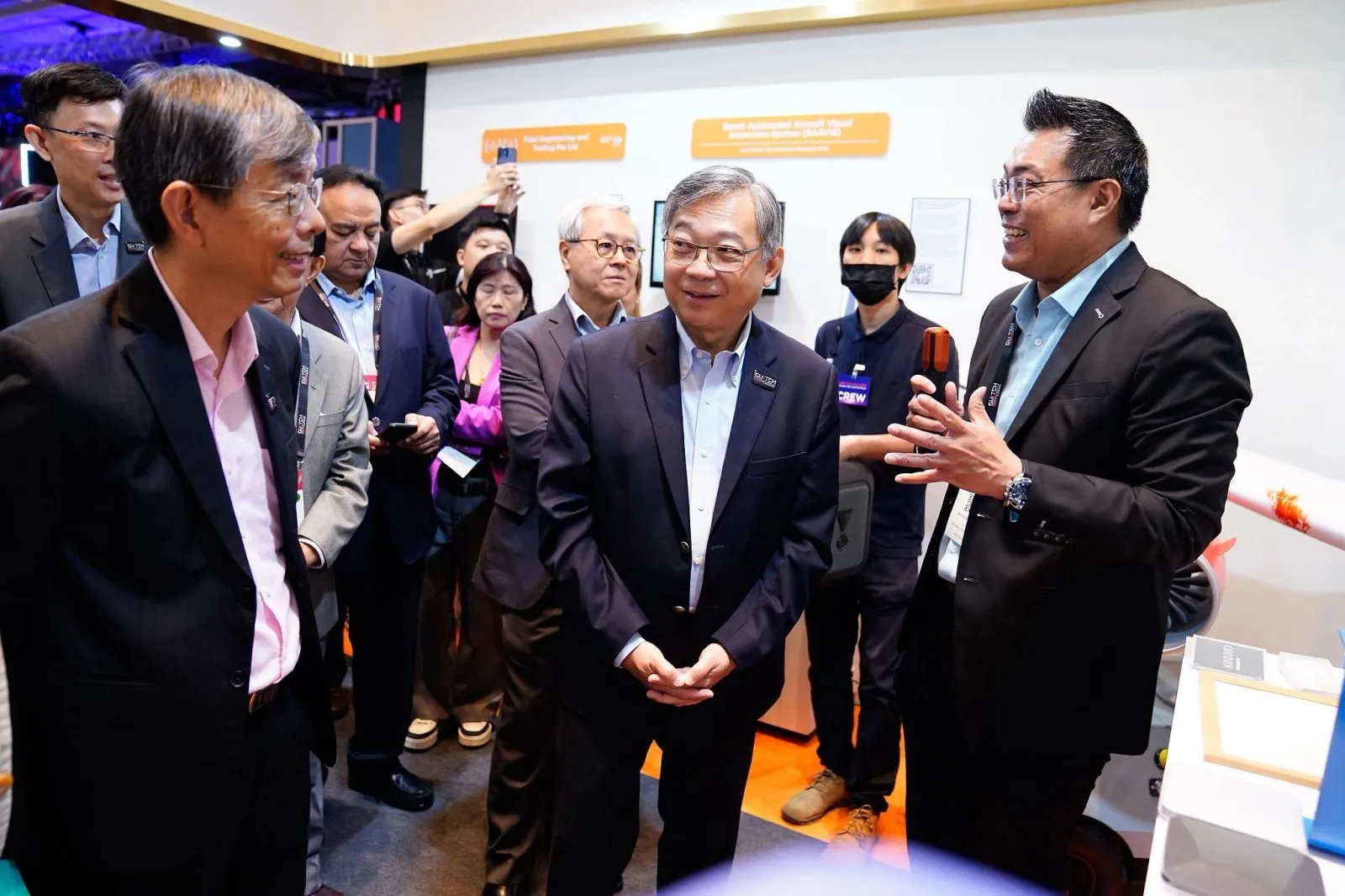
For an office open house, brief the video crew to make the space itself the main subject, with guest arrivals and interaction used as supporting footage rather than the centrepiece. This keeps the film usable long after the event date has passed.
Key takeaways
- Lead with wide shots and detail cutaways of the space, not crowd shots
- Guest footage supports the story, it does not replace it
- A space-focused open house video is usually a shorter production than a full event highlight film
- Tell the crew upfront if the footage is meant for recruitment or marketing so framing and pacing can match
- Standard delivery follows the turnaround agreed at booking, with a faster same-day option available if needed
Showcasing the space itself as the main focus
An open house video works differently from most corporate event coverage. The audience watching afterwards, whether a prospective hire, a client or a regional office, has usually never set foot in the space. The video's job is to answer a simple question: what is it like to walk in and work here.
That means the shot list should lean on wide establishing shots of the reception, workstations, meeting rooms and any standout features, plus close-up cutaways of details a photo cannot easily convey, such as natural light moving across a floor or a team collaborating at a shared desk. A slow, steady camera move through the space often reads better than a series of quick cuts, because it lets the viewer orient themselves the way they would on an actual walk-through.
Brief the crew on the sequence you want the space explored in. If there is a specific flow visitors take on the day, from entrance to breakout zones to the pantry, filming that same route usually produces a more coherent edit than shooting rooms out of order.
Adding some guest interaction footage alongside
Guest footage still matters. A completely empty space can feel sterile on screen, and a few seconds of people genuinely using the space, chatting at a standing table or gathered near a feature wall, gives the film life and scale. The difference is proportion: guest shots support the space rather than driving the story.
Brief this as secondary coverage. Ask the crew to capture candid moments as people move through, rather than posing groups for the camera, since posed shots tend to pull attention away from the space itself and back onto the individuals in frame. A handful of well-chosen interaction clips, cut in between wider space shots, usually does more for the final edit than a long sequence of guest interviews.
If there is a specific moment you want on camera, such as a ribbon-cutting or a short welcome address, flag it separately in the brief so the crew treats it as its own beat rather than incidental background.
How this differs from a highlight video for a bigger event
A typical event highlight video, for a conference or a dinner and dance, is built around the programme: arrivals, speeches, performances, awards, closing. An open house film has no programme to follow. It is closer to a short property or brand film than an event recap, and that changes both the shoot and the edit.
Because there is less ground to cover programme-wise, a space-focused open house video is usually a shorter production than a full event highlight film, both in crew time on site and in final runtime. There is less footage to sort through afterwards and fewer moving parts to sequence, since the story is the space rather than a run of show.
This also means the crew brief looks different. Instead of a run sheet with timed segments, you are giving a walk-through route, a list of features to highlight and a sense of the mood you want, calm and considered rather than high-energy.
Briefing the intended use for marketing or recruitment
Tell the crew early whether the video is meant for recruitment, marketing, internal comms or all three, because it changes what gets prioritised on the day. A recruitment-facing video usually wants more footage of people working and collaborating, giving candidates a feel for day-to-day culture. A marketing-facing video for clients or partners tends to lean harder on the physical space, finishes, meeting facilities and any brand elements visible in the office.
Also flag where the video will live. A version for a careers page or social media often needs a shorter cutdown alongside the main edit, while a version for an internal town hall or investor update can run longer. Mentioning this upfront lets the crew shoot with both lengths in mind rather than trying to force a long edit down later.
If there are specific messages you want the video to land, such as flexible workspace or sustainability features, say so directly rather than leaving it to be inferred from the footage.
What to tell the crew before the walk-through
A short pre-shoot conversation saves time on the day. Share the floor plan or a quick photo walkthrough beforehand so the crew can plan camera positions and lighting before they arrive, rather than working it out live while guests are already moving through the space. Flag any areas that are off-limits to filming, such as server rooms or client-confidential zones, and any branding elements that must appear, like a logo wall or signage.
Confirm the guest numbers and flow you expect, since a quiet morning open house calls for a different pace than a packed evening one. If there is a specific person, such as a director or department head, who should feature on camera, share their availability window so the crew can plan around it rather than chasing them down mid-shoot.
A single point of contact on the day, briefed on the shot priorities, helps the crew move efficiently if the space or schedule shifts once guests arrive.
Turnaround and delivery to expect
Standard delivery for edited video follows the turnaround agreed at booking. If the footage needs to go out faster, for a same-day careers post or an urgent internal update, flag this when booking so the crew can plan the edit around it rather than treating it as an afterthought.
Ask what formats you will receive. A recruitment or marketing video typically needs at least one full-length cut plus shorter versions sized for social platforms, since a three-minute film rarely performs the same way on a careers page as it does in a feed. Confirm this at the briefing stage rather than after the edit is locked, since reformatting after the fact takes longer than shooting and cutting with both lengths in mind from the start.
Galleries and video links are typically kept accessible for a set window after delivery, so download anything you need for internal archives before that window closes.
Questions organisers ask
Should the video focus mostly on the space or the guests?
The space should be the main subject, with guest footage used to add life and scale rather than to carry the story. Wide shots and detail cutaways of the space itself usually make up the bulk of a well-briefed open house video, with guest interaction cut in as supporting footage.
Is this a shorter production than a typical event highlight video?
Yes, a space-focused open house video is usually a shorter production than a full event highlight film, since there is no programme of speeches or performances to follow. The shoot and edit both tend to move faster because the story is built around a walk-through of the space rather than a run of show.
What should we tell the crew if the video will be used for recruitment?
Say so at the briefing stage, since it usually means prioritising footage of people working and collaborating rather than just the physical space. It also helps to mention where the video will be published, such as a careers page or social media, so the crew can plan for a shorter cutdown alongside the main edit.
If you are planning an open house and want a space-focused video briefed properly from the walk-through onwards, send us your floor plan and the date and we will work through the shot priorities with you.
Related reading: Event Videography Singapore · Corporate Video Production Singapore · Corporate Event Photographer Singapore.
More guides: Open house photography coverage for statutory boards · Is an informal open house worth booking a photographer for.
Let's talk
Planning an event in Singapore?
Send us the date, venue and programme. You will get a considered production plan and a fixed nett quote.