Open house photography coverage for statutory boards
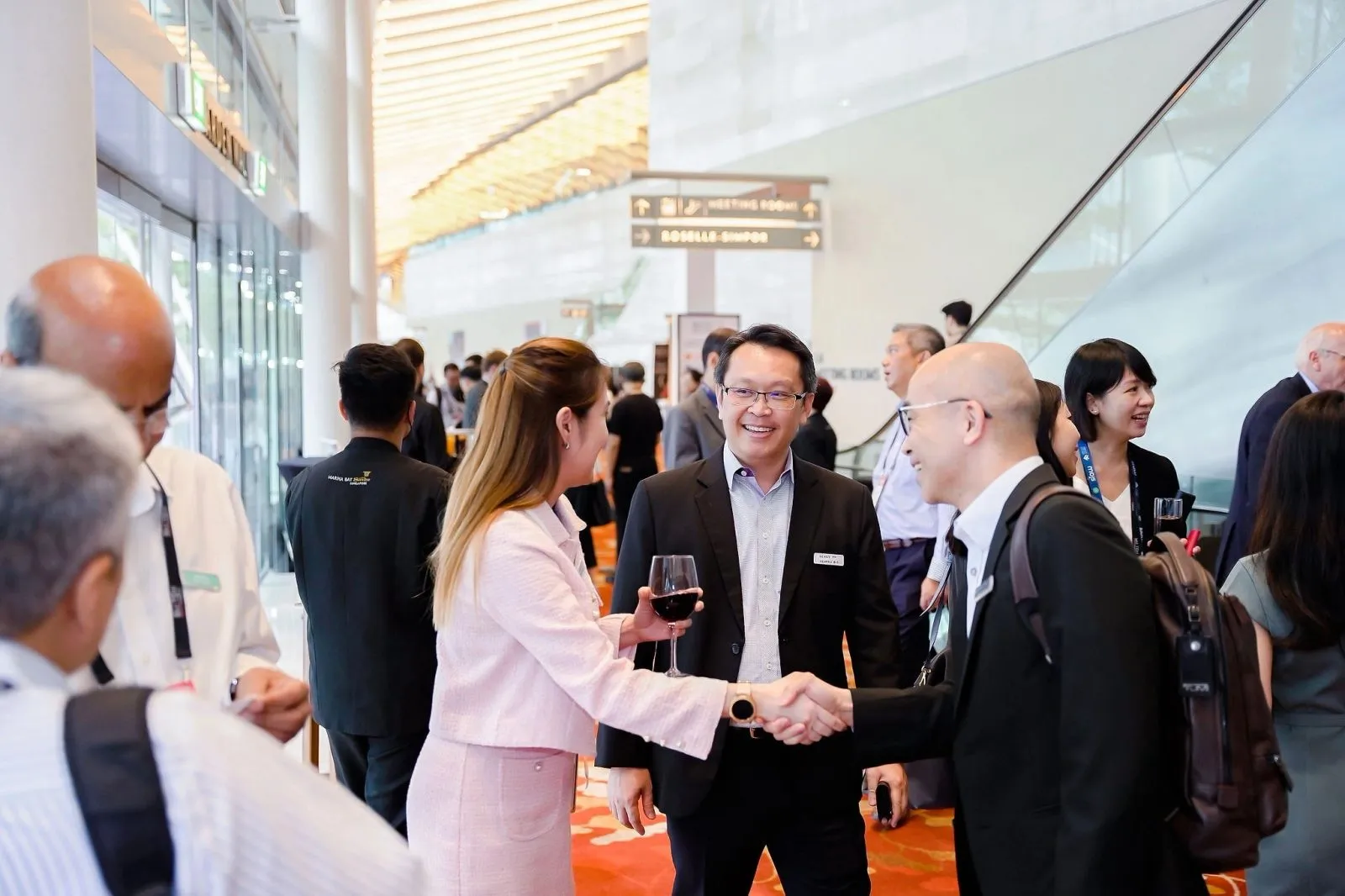
An open house needs continuous, multi-station coverage across a full day of visitor footfall, rather than the fixed-position photography used for a seated formal ceremony. Positioning more than one photographer across the busiest activity stations, and balancing candid visitor shots with a few official documentation moments, covers the event without missing either kind of moment or leaving a gap in the gallery.
Key takeaways
- Open house events run continuous visitor flow through the day rather than one formal seated programme.
- Positioning multiple photographers across different activity stations covers more of the day's footfall than one roaming photographer alone.
- Candid visitor and family shots should sit alongside, not replace, a handful of official documentation images.
- Delivered images need to work for both the agency's official record and its social media channels.
Why an open house differs from a seated formal programme
A seated ceremony or conference has a single programme running through a room, with predictable moments: an opening address, presentations, a closing segment. An open house works differently. Visitors arrive continuously across the day, moving between exhibits, activity booths and demonstration areas at their own pace, with no single moment that captures the whole event.
This means a photographer cannot rely on a fixed position near a stage. Coverage has to follow where visitors are throughout the day, which shifts depending on which activities draw the biggest crowds at any given hour, morning families, lunchtime office crowds, or a late-afternoon rush before closing. Planning around this pattern, rather than assuming a single peak, produces a gallery that reflects the whole day fairly.
Covering continuous visitor flow across a full day
Because an open house typically runs for several hours with a steady stream of visitors rather than a single scheduled block, coverage needs to be spread evenly rather than concentrated at the start. A photographer who only shoots the opening rush misses the afternoon crowd, family groups arriving later, or a popular demonstration that draws attention mid-afternoon.
Building a loose route between stations, revisited every hour or so, works better than trying to capture everything at once. This is the same principle behind covering other multi-zone public sector events, where roaming coverage over fixed positioning applies just as well. A written route plan, shared with the crew beforehand, keeps this consistent even as the day gets busy.
Balancing candid family shots with official documentation shots
An open house usually needs two kinds of images: candid shots of visitors and families genuinely engaging with exhibits, and a smaller set of official documentation shots, such as a guest-of-honour visit, a ribbon-cutting or a formal handover moment, if the programme includes one. Both matter for different purposes and different audiences afterwards.
Confirming which official moments are non-negotiable, and roughly when they happen, lets the photographer plan around them while still spending most of the day capturing the more organic visitor experience that fills the rest of the gallery and gives it its character. This balance is worth discussing at the briefing stage rather than assuming the photographer will guess correctly.
Positioning multiple photographers across activity stations
For a larger open house with several concurrent activity zones, one photographer working alone will inevitably miss overlapping moments. Positioning two or more photographers across the busiest stations, coordinated so coverage does not overlap unnecessarily, captures a fuller picture of the day than a single roaming photographer can manage across a large venue.
Crew size should scale with the number of active zones and expected footfall, not just the length of the day. A compact open house in one hall needs less crew than one spread across multiple buildings or an outdoor and indoor combination, and this is worth discussing with the vendor at the planning stage.
Delivering usable images for both official and social use
Statutory boards typically need open house images for two purposes: an internal or official record of the event, and content for social media or public communications afterwards. Organising the delivered gallery by activity zone or time of day makes both uses easier, rather than handing over one large unsorted batch that staff have to sort through themselves.
Same-day social selects let a communications team post highlights while the open house is still fresh in visitors' minds, with the complete gallery following within the standard delivery window for the fuller official record afterwards. This two-speed approach suits an event with both an internal record and a public-facing audience to serve.
Questions organisers ask
Is open house event photography different from a formal ceremony booking?
Yes, an open house needs continuous coverage across a full day of visitor flow, using roaming photographers across multiple activity zones, rather than the fixed-position approach used for a seated formal programme. The crew plan and positioning strategy are built around this difference from the start, not adjusted afterwards.
How many photographers does a full-day public open house need?
This depends on the number of concurrent activity zones and expected footfall rather than the length of the day alone. A compact open house in one hall needs fewer photographers than one spread across several buildings or combining indoor and outdoor spaces on the same site, which is worth discussing with the vendor directly.
Should an open house prioritise candid shots or official documentation photos?
Both matter, but for different purposes. Candid visitor and family shots typically make up most of the gallery, while a smaller set of official documentation shots covers specific formal moments such as a guest-of-honour visit or a ribbon-cutting segment during the programme.
Can open house photos be delivered quickly for social media use?
Yes, same-day social selects can be delivered while the event is still current, with the complete gallery following within the standard delivery window afterwards. This lets a communications team post highlights promptly without waiting for the full edited gallery to be ready and reviewed.
For more on planning multi-station photography coverage for statutory board and government events, including crew sizing for a full-day open house, see our government and public sector events page.
Related reading: Government Event Photography Singapore — GeBIZ-Registered · EXPRESS 24™ — Same-Day Event Photos & Video, Singapore · How Many Photographers Does Your Conference Need?.
More guides: Is an informal open house worth booking a photographer for · Briefing a Space-Focused Video for Your Open House · Statutory board term contracts for event photography: what to expect.
Let's talk
Planning an event in Singapore?
Send us the date, venue and programme. You will get a considered production plan and a fixed nett quote.