Photo booth brief vs event photography brief: what differs
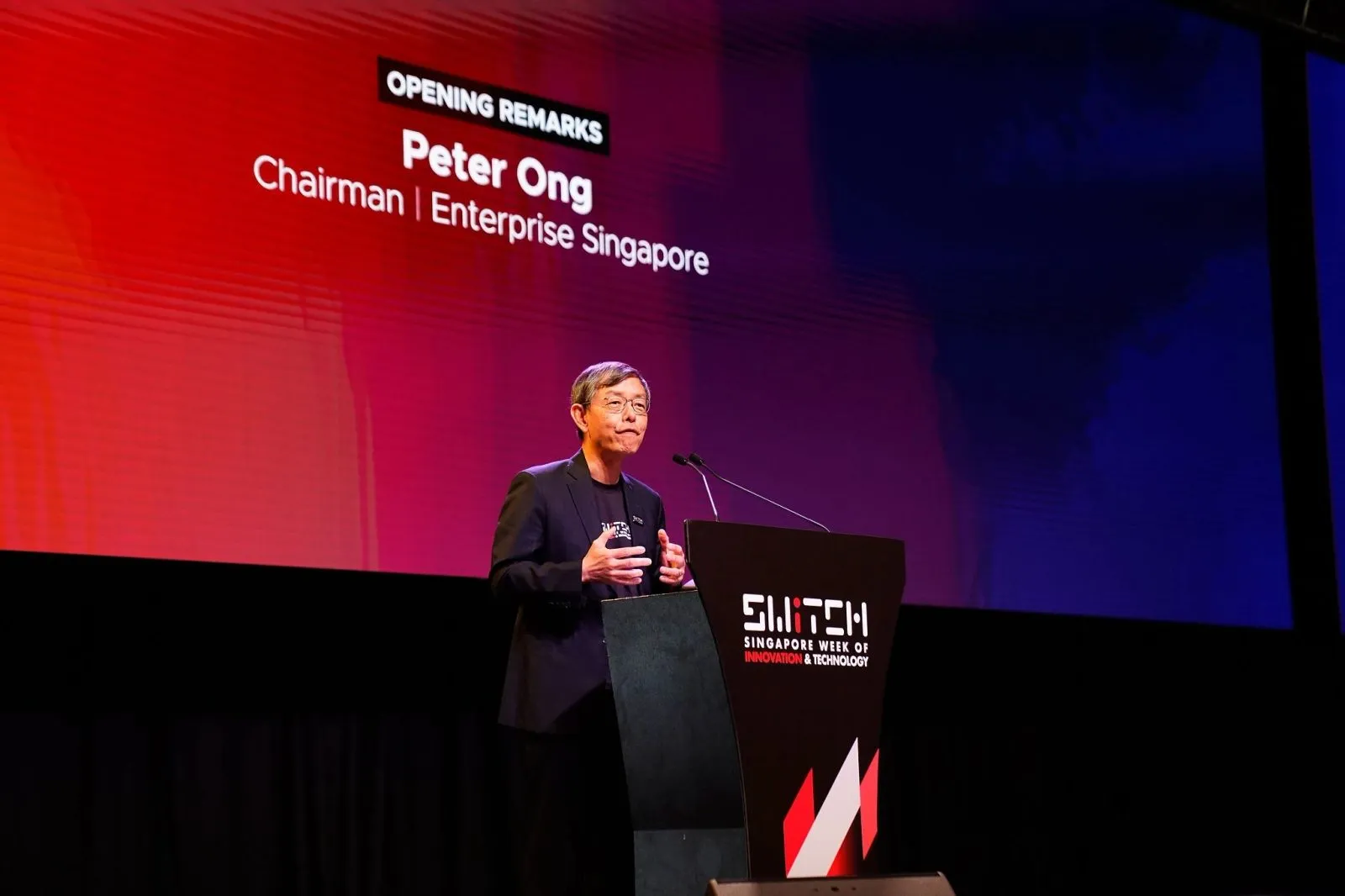
A standard event photography brief focuses on the programme, moments to capture, and who is in the room, while a photo booth brief adds physical setup details such as floor space, power access, backdrop position, and how the queue will flow. The two documents overlap on timing but not much else.
Key takeaways
- Event photography briefs cover the programme and moments; photo booth briefs cover physical setup
- A booth needs a defined footprint, a power point nearby, and a queue path that will not block traffic
- The 360 booth needs a wider safety radius than a standard instant-print setup
- One document rarely covers both bookings well; treat them as separate briefs that share a timeline
- Send the booth brief to the venue too, since floor plan and power often need their sign-off
What a standard event photography brief covers
A typical event photography brief is built around the programme. It lists the run of show, flags which moments matter most, such as a VIP arrival, an award presentation, or a keynote, and names the people the crew needs to recognise on sight. It also covers crew sizing, following the general rule of one photographer per concurrent room plus a roamer for cross-session moments, and sets expectations for delivery, whether that is a standard 48-hour gallery or same-day EXPRESS 24 selects.
None of this brief needs to say anything about floor space or power, because a roaming photographer works within whatever layout the venue already has. The brief is about what to shoot and when, not where equipment sits.
What a photo booth brief adds: space, power, queue flow
A photo booth is fixed equipment, so its brief has to answer questions an event photography brief never asks. How much floor space is available, and is it enough for the format booked, since a standard instant-print or GIF setup needs roughly two by two metres while a 360 booth needs a wider safety radius, closer to three by three metres, for the spinning platform to operate safely. Where is the nearest power point, and does the booth need an extension run from the venue's technical team.
Queue flow matters just as much. A booth placed in a natural walking path draws a crowd fast but can also block circulation during a busy reception, so the brief should note where guests will queue and whether that clashes with catering stations, registration, or fire exits.
Why the two documents don't fully overlap
The overlap between the two briefs is mostly limited to shared logistics: the event date, start and end times, and the venue contact. Beyond that, a photography brief is about content and moments, while a booth brief is about physical placement and guest flow. Trying to force both into one document usually means one half gets rushed, typically the booth's space and power requirements, because they read as an afterthought next to the programme detail.
Treating them as two focused documents, even if they are sent to the same crew or the same studio, tends to produce a cleaner result. Each brief answers the questions that matter for that part of the booking.
Using both together for the same event
When a booth and a photographer are booked for the same event, which is common for dinners, product launches, and larger exhibitions, the two briefs still work best kept separate but shared with the same coordinator. That person can then spot conflicts early, such as the booth's queue backing up right where the photographer needs a clear line for stage shots.
It also helps to give the venue both briefs, not just the photography one, since floor plan and power sign-off usually sit with the venue's own event or technical team rather than with the photography crew.
What we ask for when booking a booth
In practice, the details that save the most back and forth on the day are simple: a floor plan with the booth's intended spot marked, confirmation of power access, and a rough queue expectation, even a guess at busy periods such as right after dinner service. Branded backdrops or custom overlays also need lead time to design and print, so that detail belongs in the brief early rather than as a last-minute add.
None of this needs to be a long document. A short brief covering space, power, and expected flow, sent alongside the venue's floor plan, is usually enough for the crew to arrive and set up without needing to improvise a spot on arrival.
Getting both briefs to the right people in time
A photo booth brief is only useful if it reaches the venue as well as the studio, since the venue often needs to approve the exact spot and confirm power availability before the event date. Sending it late, or only to the photography crew, tends to produce a scramble on setup day when the originally planned spot turns out to be unavailable.
The event photography brief has more flexibility, since a roaming photographer can adapt to programme changes on the day, but the booth brief benefits from being locked down earlier, simply because moving fixed equipment once guests start arriving is far harder than adjusting where a photographer stands.
Questions organisers ask
Can I reuse the same brief for both bookings?
It is possible for very simple events, but in most cases the two briefs answer different questions and combining them tends to shortchange the booth's space and power details. Sending two short, focused documents usually produces a smoother setup than one long combined brief.
What photo booth details aren't in a typical event photography brief?
Floor space, power access, backdrop position, and expected queue flow are specific to a fixed booth and rarely appear in a standard photography brief, which is built around the programme and moments to capture instead. These details usually need to go to the venue as well as the studio.
Who should confirm the booth's exact placement, the studio or the venue?
The venue usually has final say, since floor plan, power access, and fire safety clearances sit with their event or technical team. The studio can recommend a good spot based on foot traffic and lighting, but confirming it against the actual floor plan is the venue's role.
Booking a booth alongside your photographer for the same event, send us the venue floor plan early so both briefs line up before the day.
Related reading: Photo Booth Rental Singapore — AI, 360 & Instant Print · Corporate Event Photography Shot List: Free SG Template · Event Photographer Singapore.
More guides: What to compare when choosing an AI photo booth vendor · Fitting a photo booth into your ballroom floor plan · Photo booth vs roaming photographer: what each delivers.
Let's talk
Planning an event in Singapore?
Send us the date, venue and programme. You will get a considered production plan and a fixed nett quote.