Photo booth vs roaming photographer: what each delivers
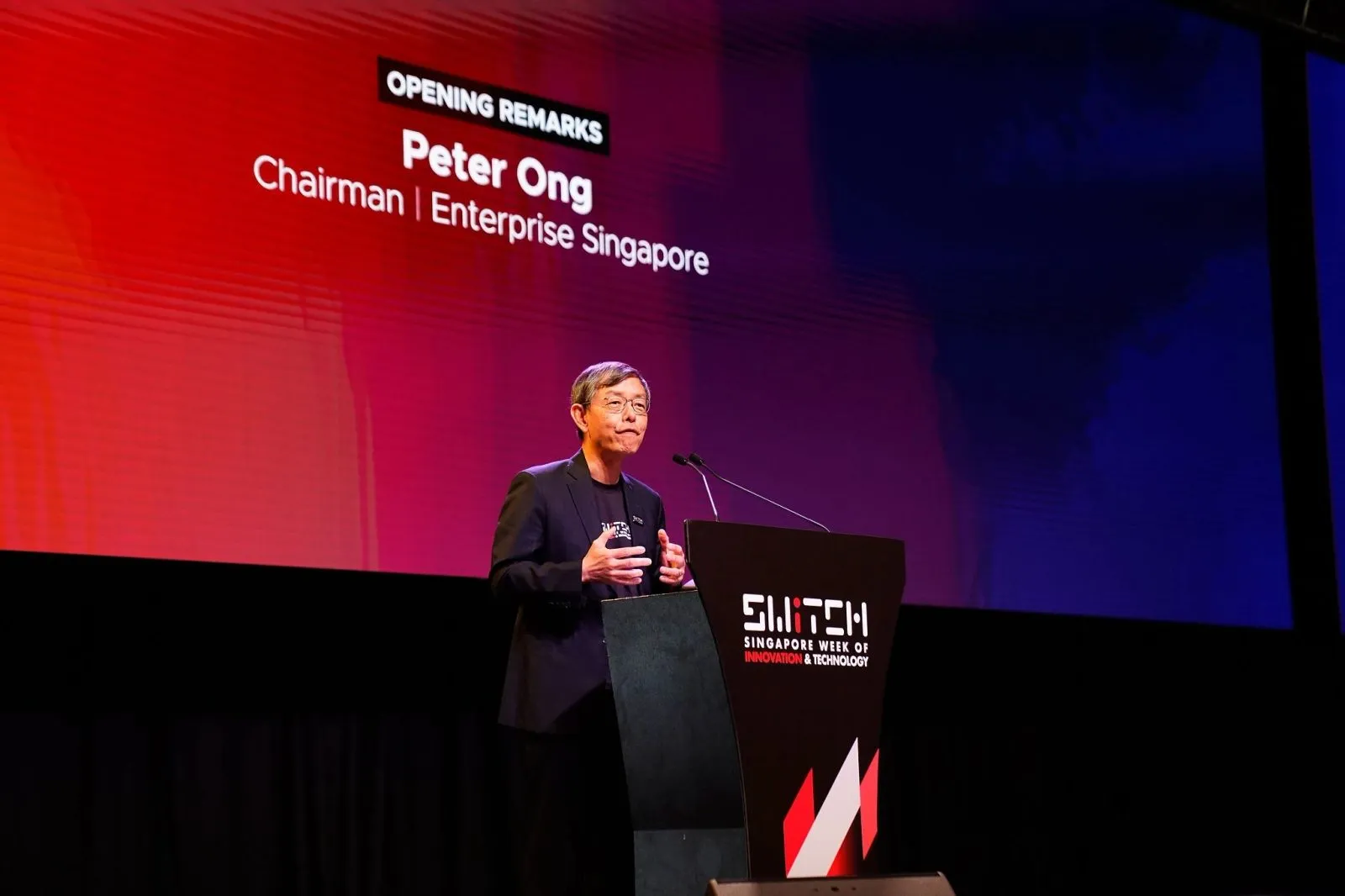
A roaming photographer captures candid coverage of the whole event as it happens, while a photo booth gives guests a posed, guest-driven moment they choose to step into; many corporate events book both.
Key takeaways
- A roaming photographer covers the event as a whole, not just one spot
- A booth delivers a moment guests actively choose to create
- Guest experience differs: passive coverage versus an active activation
- Budget and headcount both affect whether one, the other, or both make sense
- Booking both under one crew keeps briefing and delivery simple
What a roaming photographer captures that a booth cannot
A roaming photographer moves through the whole event, catching the arrival, the speeches, the award moments, table interactions and the candid reactions in between. None of this happens at a fixed point, so a booth, however well positioned, only ever sees the guests who walk up to it.
For a corporate event with a formal programme, this coverage matters for reporting back to management, sponsors or head office afterwards. A roaming photographer's gallery tells the story of what happened during the evening, while a booth's output tells you who showed up and had a moment at that one spot.
Neither replaces the other. A photographer covering only the booth would miss the speeches entirely, and a booth cannot capture a candid laugh across the room during dinner.
What a photo booth adds through guest-driven posed moments
A photo booth flips the dynamic: instead of a photographer choosing the moment, the guest chooses to step into it. This tends to produce a different kind of energy, guests posing with colleagues, trying props, or gathering a group they would not otherwise have photographed together during a busy dinner.
It also gives every guest a tangible or shareable takeaway from the event, which a roaming photographer's gallery, however good, does not offer in the same immediate way. The booth becomes something guests actively remember doing, not just something that happened around them.
Guest experience differences between the two formats
A roaming photographer works quietly in the background; most guests barely register the camera unless they are directly in a posed group shot. A photo booth is the opposite, a visible, active point in the room that guests choose to engage with, often forming a small social moment around the queue itself.
Which experience fits your event depends on the tone you want. A formal industry conference may lean more on candid documentary coverage, while a year-end staff party may want the energy a booth brings to the floor.
Some guests also simply prefer one format over the other. Colleagues who feel self-conscious about a roaming lens often relax around a booth, where they control the moment and can choose to step in or stay out entirely.
Budget considerations for choosing one, the other, or both
Budget and guest count both factor into this decision. A smaller, more formal gathering may get more value from thorough photographic coverage alone, while a larger social event often benefits from the guest engagement a booth adds. Neither format is inherently more expensive than the other; the right mix depends on what the event needs to achieve.
If budget only stretches to one, think about what you need afterwards: a documentary record of the event for reporting, or a guest engagement activation for the evening itself. That answer usually points to the right choice.
Combining a booth and a roaming photographer at the same event
Many corporate events book both, with a roaming photographer covering the programme and a photo booth running in parallel for guests during networking or reception time. Booking both under one crew, rather than two separate vendors, keeps the brief, call sheet and delivery simple, and avoids two unrelated teams working the same room without coordination.
- Roaming photography for the formal programme and candid coverage
- A photo booth positioned near the reception or networking area
- One crew and one brief covering both, rather than separate vendors
- One delivery timeline for both galleries rather than two
Briefing one crew for both formats at the same event
When both formats are booked through the same crew, the briefing process covers both in one conversation: the run of show for roaming coverage, and positioning, hours and branding for the booth. This avoids the situation where two separate vendors each assume the other is covering something, leaving a gap in what gets captured.
It also simplifies delivery, since galleries from both formats can arrive on the same timeline and through the same point of contact, rather than juggling two separate vendor relationships for one event.
A single point of contact on the day also means any last-minute change to the run of show only needs communicating once, rather than to two teams separately.
Questions organisers ask
What's the difference between a photo booth and a roaming event photographer?
A roaming photographer moves through the event capturing candid coverage of the whole programme, from speeches to table interactions, while a photo booth gives guests a posed moment they actively choose to step into at one fixed spot. They capture different things and are not really interchangeable.
Can a photo booth and roaming photographer be booked together?
Yes, this is common for corporate events, with a roaming photographer covering the formal programme and a photo booth running in parallel for guests during networking or reception time. Booking both under one crew keeps the brief and delivery simple.
Which is better for a formal industry conference, a booth or roaming coverage?
A formal conference usually leans more on roaming, documentary-style coverage for reporting purposes, since the priority is capturing speeches, panels and sponsor moments accurately. A photo booth can still add value during networking breaks, but it is rarely the primary coverage format for a formal programme.
Does adding a photo booth reduce the need for roaming photography?
No, the two serve different purposes and generally complement rather than replace each other. A booth captures guest-driven moments at one spot, while roaming coverage documents the event as it unfolds, which most corporate events still need for reporting or communications use.
If you are weighing up coverage for an upcoming event, see how our photo booth options work alongside event photography to plan the right mix for your guest list.
Related reading: Photo Booth Rental Singapore — AI, 360 & Instant Print · Event Photographer Singapore.
More guides: Photo booth brief vs event photography brief: what differs · A planning checklist for bundling photography, video and photo booth · What to compare between photo booth vendors.
Let's talk
Planning an event in Singapore?
Send us the date, venue and programme. You will get a considered production plan and a fixed nett quote.