Photography access rules at security-cleared government venues
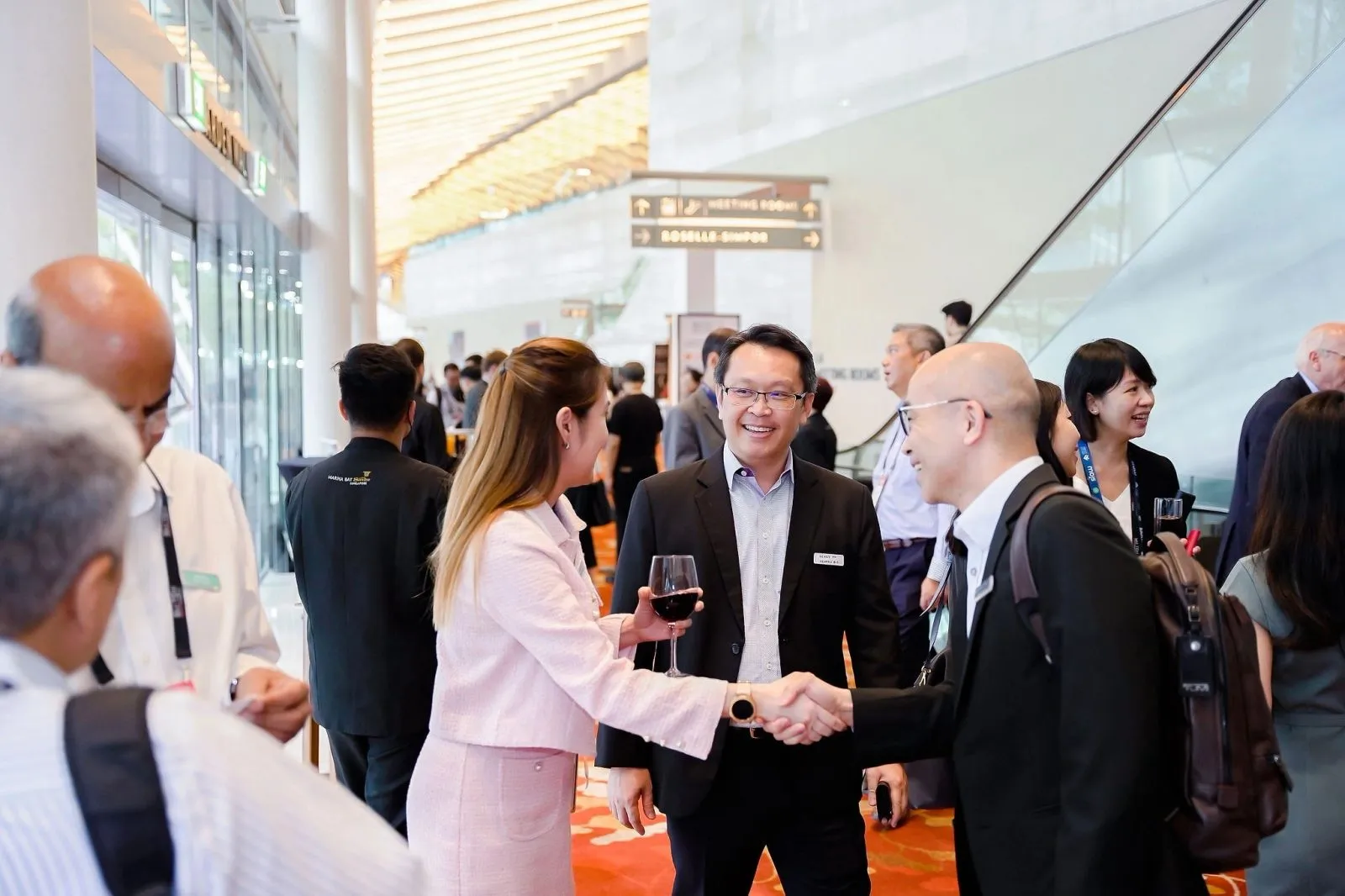
At a security-cleared government venue, equipment usually needs to be declared in advance, crew need to be registered against a pass list, and movement within the venue is often restricted to approved zones. The organiser typically drives the clearance process, with the photography vendor supplying the details the venue asks for.
Key takeaways
- Camera and equipment lists are usually declared to the venue ahead of the event, not brought in unannounced.
- Crew need to be registered by name against a pass list well before the event date.
- Movement inside the venue may be restricted to approved zones rather than free roaming.
- The organiser typically leads the clearance process, with the vendor supplying what the venue requests.
- A crew familiar with government and statutory board bookings can usually anticipate these requirements without needing them spelled out from scratch.
What changes about equipment and access at these venues
A security-cleared or protocol-sensitive venue treats equipment and access differently from a standard hotel ballroom or convention hall. Camera bodies, lenses and any additional gear are often declared in advance rather than simply carried in on the day, and crew members are typically registered by name against a pass list before they can enter. Turning up with an unlisted piece of equipment or an unregistered crew member can cause delays at the door that a general corporate venue would not create.
Movement within the venue is also often more restricted. Where a hotel ballroom lets a photographer roam freely to find the best angle, a government or statutory board venue may confine coverage to specific approved zones, with certain areas off limits regardless of what is happening there. Planning shot positions around these zones in advance, rather than expecting flexibility on the day, avoids a photographer discovering a restriction mid-event.
Coordinating clearance requirements with the venue in advance
Clearance requirements come from the venue and the organiser's own security protocol, not from the photography vendor. This means the vendor's role is usually to supply what is asked for, crew names, equipment lists, vehicle details if applicable, promptly and accurately, rather than to initiate the clearance process itself.
Timelines for this vary by venue and event, and there is no single figure that applies everywhere, so it is worth asking the organiser directly how much lead time their venue typically needs. A vendor with government booking experience will generally know to ask for this information early rather than assuming a standard corporate timeline applies, which avoids a last-minute scramble to get crew details submitted before a cut-off the vendor did not know existed.
What the photographer needs from the organiser beforehand
Beyond the standard event brief, a security-cleared venue booking needs a few extras from the organiser: full legal names and identification details for each crew member being registered, a clear equipment list if the venue requires one, and confirmation of which areas are approved for photography versus which are off limits.
It also helps for the organiser to flag anything protocol-sensitive early, such as attendees who should not be photographed, moments that are off the record, or a media list the crew should be aware of. Getting this from the organiser before the event, rather than being told on arrival, gives the crew time to plan coverage that respects those boundaries without needing to improvise decisions in the moment.
Working within protocol during the event
Once on site, a crew working within protocol moves more deliberately than they would at a typical corporate event: staying within approved zones, checking in with security or a venue liaison as instructed, and being mindful of restricted moments flagged in advance. This is less about the photography itself changing and more about working respectfully within a structure the organiser and venue have already set.
A crew experienced with these bookings tends to build extra buffer time into their movements, since checking in at access points or waiting for an escort between zones takes longer than simply walking across a ballroom. Coordinating this rhythm with the organiser's own event team on the day, rather than trying to work independently, is usually what keeps coverage on schedule despite the extra steps.
Planning equipment and crew size around access limits
Access restrictions can also affect how crew size is planned. If only a limited number of approved zones exist and each requires its own registered photographer, the usual guideline of one photographer per concurrent room plus a roamer may need adjusting to fit how many people the venue is willing to clear and where they can be positioned.
Discussing this early, once the organiser has a sense of the venue's clearance limits, avoids planning a crew size that later turns out to be larger than what the venue will register. It is a conversation worth having as soon as the venue and rough programme are known, well before the shot list itself is finalised.
Questions organisers ask
Does the vendor handle security clearance or does the organiser?
The organiser typically leads the clearance process, since it runs through the venue's own security protocol. The photography vendor's role is usually to supply crew names, equipment details and any other information the venue requests, promptly and accurately.
What should be arranged with the venue before the event day?
Crew registration against a pass list, an equipment declaration if the venue requires one, and clarity on which areas are approved for photography versus restricted. These are best confirmed as early as possible once the venue and date are set.
Can a photographer move freely around a security-cleared venue?
Usually not to the same extent as a standard corporate venue. Movement is often confined to approved zones, and a crew working these bookings typically plans coverage around that structure rather than expecting to roam freely.
Does crew size change for a security-cleared venue booking?
It can, depending on how many zones the venue is willing to clear and register crew for. This is worth discussing with the organiser early, since it may mean adjusting the usual crew sizing guideline to fit what the venue will approve.
If your event is taking place at a security-cleared or protocol-sensitive venue, our government events page covers how we typically work within that structure, or you can send us the details directly.
Related reading: Government Event Photography Singapore — GeBIZ-Registered · PDPA & Event Photography Singapore: Practical Consent Guide · Conference Photography Singapore.
More guides: Photographing Singapore's big event venues: what changes. · Protocol-aware photography for government and VIP events.
Let's talk
Planning an event in Singapore?
Send us the date, venue and programme. You will get a considered production plan and a fixed nett quote.