Protocol-aware photography for government and VIP events
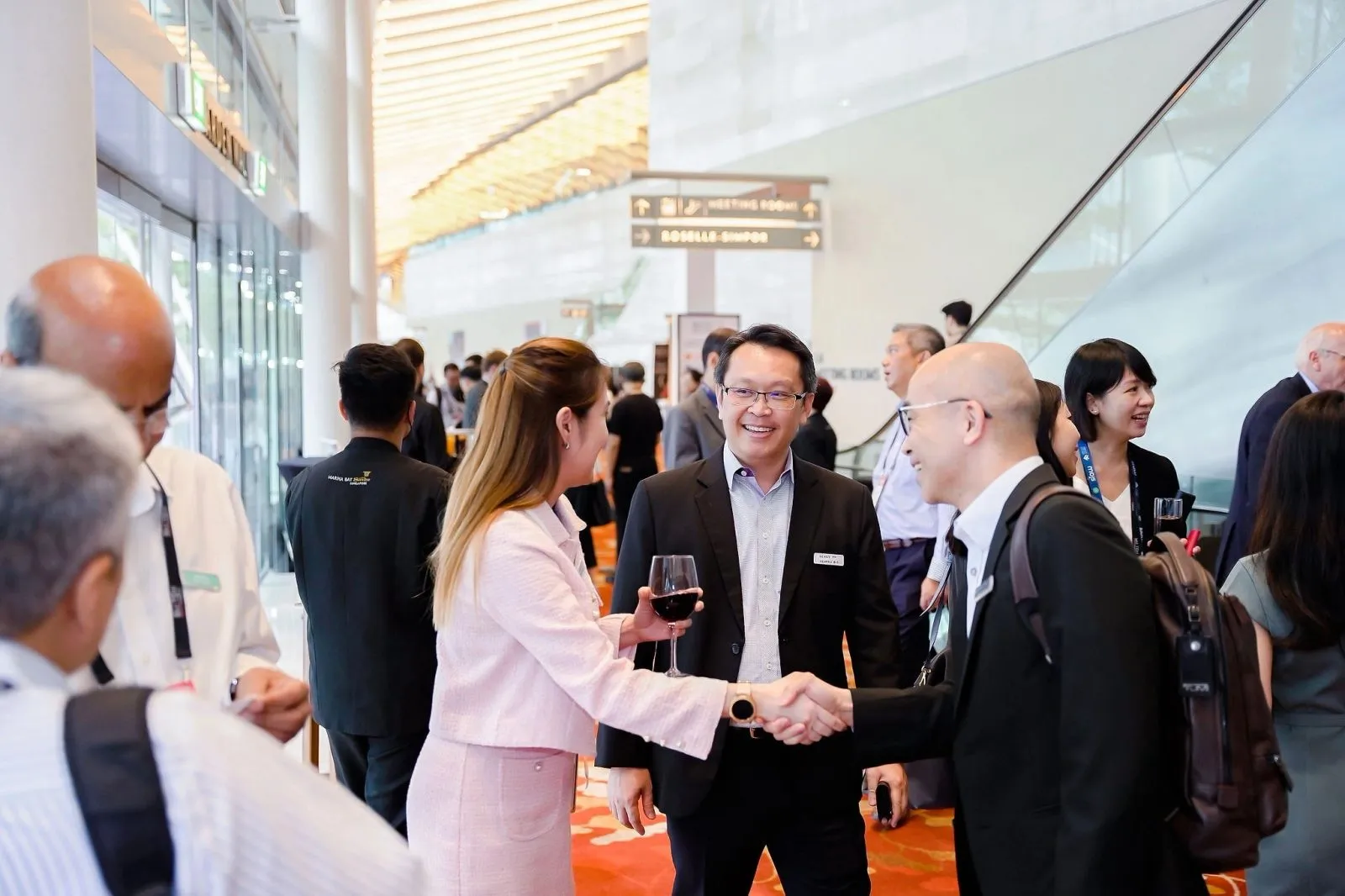
Protocol-aware photography means positioning and timing that respects the formal order of a government or VIP event, arrival sequences, seating hierarchy, and moments that cannot be interrupted, while coordinating directly with liaison and security staff on the day. It differs from standard corporate coverage mainly in how much the schedule can shift at short notice and how visible a photographer's movement needs to be.
Key takeaways
- A government or VIP event's published run sheet is a guide, not a guarantee.
- Positioning has to avoid sightlines, security perimeters and a VIP's walking path.
- Liaison officers and security staff are the two groups to coordinate with directly.
- Multiple photographers covering different positions absorb last-minute schedule changes better.
- Protocol details belong in the pre-event brief, not explained as the day unfolds.
Why protocol timing differs from a standard corporate event
A standard corporate event usually runs on a published agenda that holds fairly steady once the day begins. A government or VIP event often works differently: arrival times shift around a guest of honour's actual schedule, seating and speaking order follow a formal hierarchy that outsiders may not immediately recognise, and certain moments, an arrival, a handshake, an official signing, cannot be reshot or interrupted if missed. A photographer working these events needs to understand that the published run sheet is a guide, not a guarantee.
Our own government events work involves this kind of protocol-aware coverage as routine, not as an exception to standard practice.
What protocol-aware positioning looks like in practice
In practice, protocol-aware positioning means a photographer chooses a vantage point that captures the required moment without stepping into a sightline, a security perimeter, or the path a VIP is expected to walk. This often means working from a fixed position for a period rather than moving freely around the room the way a photographer might at a typical corporate event, and reading small cues, a security officer's glance, an aide's hand signal, that indicate when to hold position and when a moment is about to happen.
It also means dressing and behaving in a way that fits the formality of the event, since a photographer who stands out for the wrong reasons can become a distraction at an event where every detail is being watched.
Coordinating with government liaison and security staff
Government liaison officers and security staff are usually the two groups a photographer needs to work closely with before and during the event. Liaison officers typically hold the actual sequence of events, arrival timing and any last-minute changes to the programme, while security staff manage where a photographer can physically stand and move. Introducing yourself to both at the start of the day, rather than assuming a general briefing covers everything, tends to smooth out the small logistical questions that come up as the event unfolds.
This coordination matters more at events involving multiple VIPs or a formal handover, where several parties are tracking the same sequence of moments and a photographer needs to fit into that structure rather than work around it.
Handling last-minute VIP schedule changes on the day
VIP schedules change, sometimes minutes before an event begins, and a photographer working government events needs to adapt without needing a full re-briefing each time. This usually means staying close to the liaison officer for updates, keeping equipment ready rather than packed away during quieter stretches of the programme, and being prepared to reposition quickly if an arrival time moves earlier or later than planned.
A crew experienced with this kind of event typically has more than one photographer covering different positions, so a schedule change affecting one part of the venue does not leave the whole event uncovered while someone repositions.
Building protocol notes into the pre-event brief
The clearest way to reduce surprises on the day is to build protocol expectations into the pre-event brief rather than explaining them as the event unfolds. This includes who the key VIPs are and their expected arrival sequence, which moments are considered unmissable, where security will restrict photographer movement, and who the liaison contact is for updates during the event itself.
Sharing this information ahead of time, even in a short document rather than a formal briefing session, gives a photographer the context needed to make good positioning decisions in the moment rather than guessing based on how a typical corporate event usually runs.
Questions organisers ask
What does protocol-experienced event photography mean?
It means understanding that a government or VIP event's published schedule can shift at short notice, and positioning to capture key moments without interrupting arrival sequences, seating hierarchy or security procedures. It also means coordinating directly with liaison and security staff on the day rather than working independently of them.
How do photographers coordinate with government liaison officers?
Typically by introducing themselves at the start of the day and staying close enough to receive updates as the programme's actual sequence and timing become clearer. Liaison officers usually hold the most current information about arrival times and any last-minute changes, which a photographer needs to stay aligned with throughout the event.
Why can VIP event schedules change at short notice?
VIP schedules often depend on factors outside the event itself, such as a guest of honour's other commitments that day or last-minute security considerations, which can shift arrival and departure times. A photographer working these events needs to stay flexible and keep equipment ready rather than assuming the published run sheet will hold exactly as planned.
What should be included in a pre-event brief for a protocol-sensitive event?
A useful brief covers the key VIPs and their expected arrival sequence, which moments are considered unmissable, where security will restrict movement, and who the liaison contact is for updates during the event. Sharing this ahead of time helps a photographer make positioning decisions confidently rather than reacting in the moment.
If you are planning a government or VIP event, our government events page sets out how our crew approaches protocol-sensitive coverage.
Related reading: Government Event Photography Singapore — GeBIZ-Registered · Clients, Case Studies & Reviews · Conference Photography Singapore.
More guides: Briefing a photographer for a VIP walkthrough at your exhibition · How much VIP arrival timing detail does a photographer need? · Briefing government speakers at a telecom industry conference.
Let's talk
Planning an event in Singapore?
Send us the date, venue and programme. You will get a considered production plan and a fixed nett quote.