How much VIP arrival timing detail does a photographer need?
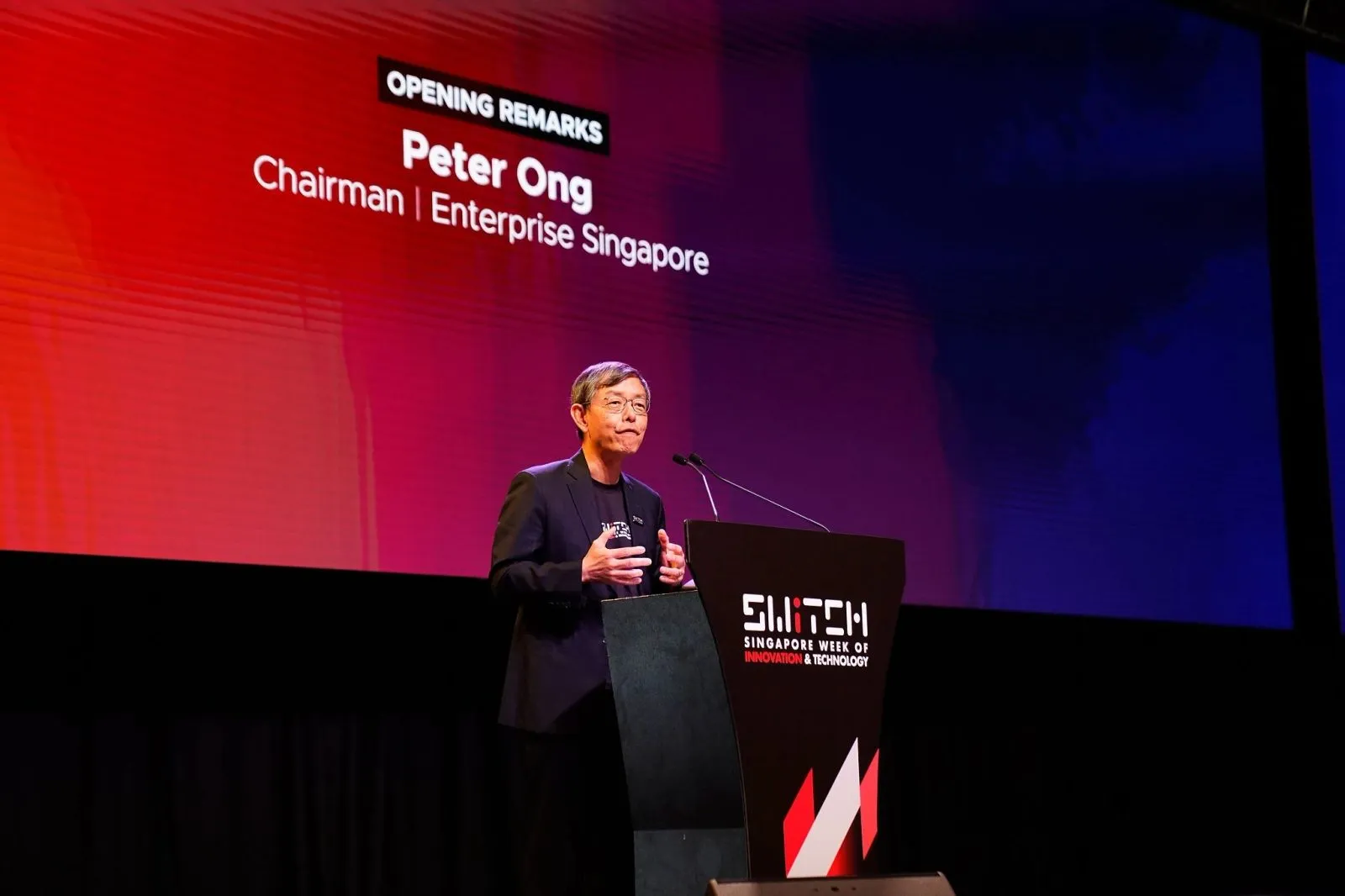
A rough arrival window, rather than a minute-by-minute schedule, is usually enough for a photographer, as long as there is a clear point of contact who can give a short heads-up when the VIP is approaching.
Key takeaways
- A rough time window is more useful than an exact minute that rarely holds on the day
- Over-specifying VIP timing can create false confidence that leads to a missed moment
- A short heads-up call or message just before arrival matters more than the printed schedule
- Brief the photographer on what changes if VIP timing shifts, not just the original plan
- Government and protocol-aware events often have more structure around this than standard corporate events
What level of detail helps without over-specifying
A useful VIP brief tells the photographer roughly when arrival is expected, what the VIP will be doing once they arrive such as a walkthrough, a photo opportunity, or moving straight to a seat, and who to look for if there is more than one dignitary involved. This is usually enough for the photographer to be in position and ready.
An exact minute-by-minute schedule looks precise on paper but rarely survives contact with the actual day. Traffic, a delayed previous engagement, or a longer than expected handshake line all shift real arrival times, and a photographer who has planned tightly around an exact minute can be caught unprepared when the moment arrives a few minutes early or late.
Handling last-minute shifts in VIP timing
VIP schedules shift more often than any other part of an event programme, simply because they depend on factors outside the organiser's control. The most useful preparation is not a more detailed printed schedule but a reliable way to get a short heads-up when the VIP is close, whether that is a radio call, a message, or a runner sent ahead.
Photographers who cover government and protocol-aware events regularly build in extra standby time around any VIP segment for exactly this reason, treating the printed time as a guide rather than a guarantee.
Briefing a rough window versus an exact minute
A rough window, such as arrival expected between a given start and end time, gives the photographer enough to plan their position and be ready without creating false confidence in a precise figure. It also sets realistic expectations for anyone reviewing the shot list afterward, since a genuinely late arrival does not then look like a missed brief.
Where an exact time is genuinely known and reliable, such as a fixed slot in a tightly run government programme, it is worth including, but it should sit alongside the rough window rather than replacing it, since even reliable schedules can shift on the day itself.
What the photographer does if timing changes on the day
The photographer's real preparation for VIP timing changes is less about the schedule and more about staying in position and ready during the likely window, with a clear line to whoever is coordinating VIP movement on the day. A single point of contact for VIP updates, separate from the general event contact, avoids the photographer chasing multiple people for the same information.
If the VIP segment shifts significantly, such as being delayed by an unrelated meeting running long, the photographer needs to know quickly enough to hold position rather than moving on to cover something else and missing the arrival entirely.
Government and protocol-aware events versus standard corporate events
Events with government or statutory board involvement often come with more structure around VIP movement than a typical corporate function, including designated arrival points, security clearance, and a protocol officer managing the sequence of events. In that setting, the photographer's brief can lean more heavily on the published schedule, since the process around it is generally tighter.
A standard corporate D&D or product launch with a single VIP guest usually has looser structure, and the photographer's brief benefits more from flexibility and a reliable heads-up system than from an attempt to match the precision of a government-run schedule that does not really apply to a less formal setting.
Building this into the wider event brief
VIP timing detail works best as one section of the broader shot list and briefing document, rather than a separate standalone note that the photographer has to cross-reference against the main schedule. Keeping it in the same document as the rest of the programme makes it easier for the crew to see how the VIP segment fits into everything else happening around it.
It is also worth confirming, as part of this section, who the single point of contact is for any changes on the day, so the photographer has one clear channel rather than several people offering slightly different versions of the same update.
Balancing preparation with flexibility
The underlying idea across all of this is that thorough preparation and flexibility are not opposites. A photographer who knows the rough plan, the key people to recognise, and who to check with if timing shifts is well prepared, even without an exact minute-by-minute schedule to follow. Over-engineering the brief with false precision can reduce flexibility, since the crew ends up anchored to a specific time that was never going to hold.
Treating the VIP segment as a window to be ready for, rather than a fixed point to hit exactly, tends to produce better coverage across the range of ways the day can unfold.
Questions organisers ask
Does the photographer need a minute-by-minute VIP schedule?
Not usually. A rough arrival window combined with a reliable heads-up just before the VIP arrives tends to work better than an exact minute-by-minute schedule, which often shifts on the day for reasons outside anyone's control.
What happens if VIP arrival time shifts at the last minute?
The photographer needs a quick way to find out, ideally through a single point of contact managing VIP movement, so they can hold position rather than moving on and missing the arrival. Building in standby time around the expected window helps absorb small shifts.
Is VIP timing handled differently at government events?
Often yes, since government and statutory board events tend to have more formal structure around VIP movement, including a protocol officer and a published sequence. A standard corporate event usually relies more on a rough window and a reliable last-minute update.
Planning a VIP segment for an upcoming event, talk to us about how much timing detail your specific event needs before finalising the shot list.
Related reading: Government Event Photography Singapore — GeBIZ-Registered · Corporate Event Photography Shot List: Free SG Template · MICE Event Photography & Videography Singapore.
More guides: Protocol-aware photography for government and VIP events · Briefing a photographer for a VIP walkthrough at your exhibition · Timing arrival and red carpet photography for a corporate gala.
Let's talk
Planning an event in Singapore?
Send us the date, venue and programme. You will get a considered production plan and a fixed nett quote.