Offering speaker headshots as a sponsor deliverable
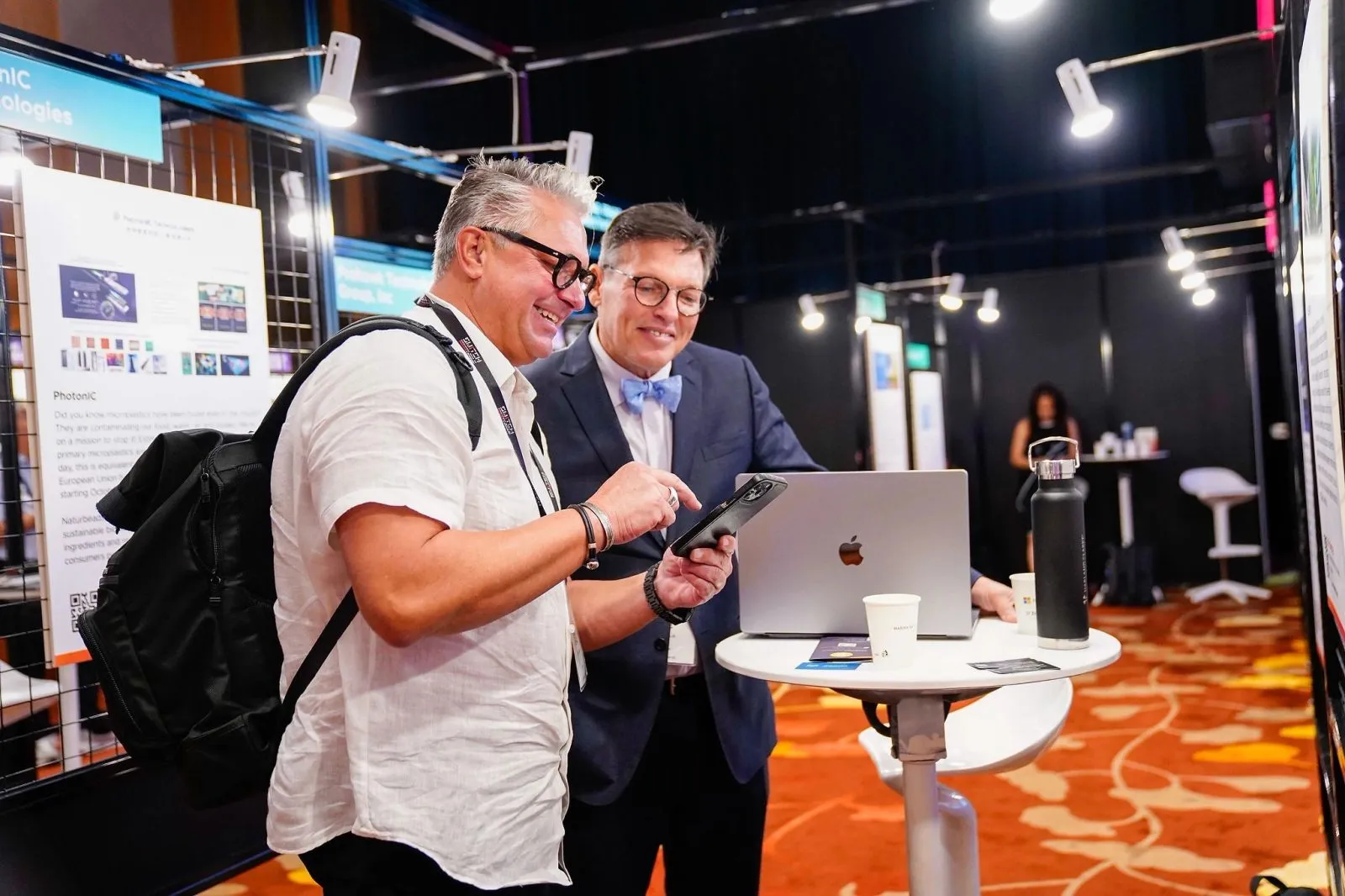
Speaker headshots can be arranged as an add-on to conference photography, shot at the same on-site headshot station already booked for the event, with an agreed set handed to sponsors under usage terms confirmed in advance.
Key takeaways
- Speaker headshots can be added to standard conference photography rather than sourced separately
- Flag sponsor use of headshots at booking stage, not after the event
- Standard commercial licences cover the organiser's own use, not automatic resale to a third party
- On-site headshot stations use short, structured slots that fit around a conference programme
- EXPRESS 24 delivery keeps headshots useful while the event is still current for sponsors
Why sponsors sometimes want speaker headshots for their own marketing
Sponsors often want a speaker headshot for their own marketing, not just the organiser's programme. A sponsor backing a keynote slot, hosting a panel, or supplying a moderator may want a clean, professional headshot of that speaker for a LinkedIn post, a client newsletter, or a follow-up email to prospects who attended. Sourcing this separately after the event is inefficient. It usually means a sponsor's marketing team chasing a speaker for a photo taken on a phone somewhere else, in different lighting, looking nothing like the conference itself. Folding the headshot into the event's own photography avoids that. The speaker is already on-site and prepared, and the headshot carries the same visual style as the rest of the event coverage, so anything a sponsor pulls from it sits comfortably beside the organiser's own materials. It also saves the organiser from fielding requests once the event has ended and speakers have scattered back to their own companies and time zones, each with their own idea of how the image should be used.
Arranging this as an add-on to speaker photography
This works best as a deliberate add-on rather than an afterthought squeezed in on the day. Corporate headshots are typically shot at an on-site station with short, structured slots, which fits around a conference programme: a speaker can be pulled in for a few minutes before or after their session, between panels, or during a break, without disrupting the run of show. The organiser should flag which speakers need headshots when the event is booked, so the crew can plan the station's position and timing against the actual programme rather than trying to catch people between corridors. It helps to treat headshots as a separate line in the brief from the main event coverage, even where the same crew handles both, because a headshot slot has different logistics: a plain or branded backdrop, consistent lighting, and a queue that needs managing so speakers are not left waiting between sessions. Flagging this early, alongside the venue and programme details, is the difference between a smooth station and a rushed one.
What's typically included in a headshot deliverable set
What counts as a deliverable set should be agreed before the day, not worked out afterwards. At minimum this usually means a small number of edited headshots per speaker, in a format sponsors and speakers can use directly on LinkedIn, in a press kit, or in a slide deck. Some organisers ask for a plain background version and a branded-backdrop version, so sponsors and speakers each have an option that suits their own use. Delivery timing matters too. An organiser handing headshots to sponsors within a day of the event, through EXPRESS 24, keeps the deliverable current while the conference is still being talked about, rather than arriving as a stale file weeks later. Beyond the images themselves, it is worth agreeing who makes the final selection and light retouching decisions, and whether a speaker gets a say before their headshot goes out to a sponsor's marketing team. None of this needs to be complicated, but it does need deciding once, in writing.
Licence considerations when sharing with sponsors
The licence question is the part organisers most often skip, and it is the one that causes friction later. Standard terms give the client, meaning the organiser who books the shoot, a worldwide commercial licence to use the photography, while the photography vendor retains copyright. That licence covers the organiser's own use. Handing images on to a third party, such as a sponsor, for that sponsor's own marketing is a different use again, and standard licences do not automatically extend that far. The practical fix is to raise this at the booking stage: tell the vendor that speaker headshots are intended for sponsor use, not only the organiser's own channels, so terms can be agreed up front rather than discovered when a sponsor's own marketing or legal team asks a question the organiser cannot answer. It is a short conversation at booking and a much longer one after the event, once headshots are already circulating without an agreed basis.
Building this into the event brief from the start
The simplest way to avoid the problems above is to name speaker headshots as a sponsor deliverable when the event is first briefed, not once the conference is already underway. That means telling the photography crew, at the point of booking, which speakers need headshots, who those headshots are for beyond the organiser, and roughly when sponsors expect to receive them. It also means building a few minutes of slack into the programme for the headshot station itself, since asking a keynote speaker to sit for a portrait five minutes before they are due on stage rarely goes well for anyone. Organisers who run several events a year tend to settle on a standard headshot brief they reuse each time, covering backdrop, format and delivery timing, so the conversation with the crew gets shorter with every event rather than starting again from scratch.
Questions organisers ask
Is this bundled into standard speaker photography or a separate add-on?
It is usually treated as an add-on to standard conference photography rather than something bundled in by default. The organiser needs to specifically ask for a headshot station and name which speakers need coverage, so the crew can plan the timing and backdrop around the programme.
Do sponsors need a separate licence to use speaker headshots?
Standard commercial licences typically cover the organiser's own use of the photography, not automatic resale or handover to a third party. If headshots are meant for sponsor use, this should be raised with the vendor at booking so the terms are agreed before the event rather than after.
Can the speaker also use the headshot for their own LinkedIn profile?
That depends on what the organiser agrees with the vendor and, in some cases, what the speaker expects when they agree to be photographed. It is worth clarifying this alongside sponsor usage rights so nobody assumes a wider licence than was granted.
Who selects and retouches the headshots before they go to a sponsor?
This is usually agreed between the organiser and the photography crew before the event, covering who makes the final picks and how much retouching is applied. Settling it in advance avoids a back-and-forth once sponsors are waiting for their copies.
If speaker headshots are part of what you plan to offer sponsors, flag it when you brief the event so timing, format and usage terms are settled before the day rather than after. Get in touch to talk through what your event needs.
Related reading: Corporate Headshots Singapore · Conference Photography Singapore · Corporate Event Photography Shot List: Free SG Template.
More guides: Offering complimentary headshots at your exhibition sponsor lounge · Briefing Speaker and Audience Shots for a Masterclass · A sponsor checklist for photography deliverables.
Let's talk
Planning an event in Singapore?
Send us the date, venue and programme. You will get a considered production plan and a fixed nett quote.