Conference Photography Checklist: What Organisers Should Prepare
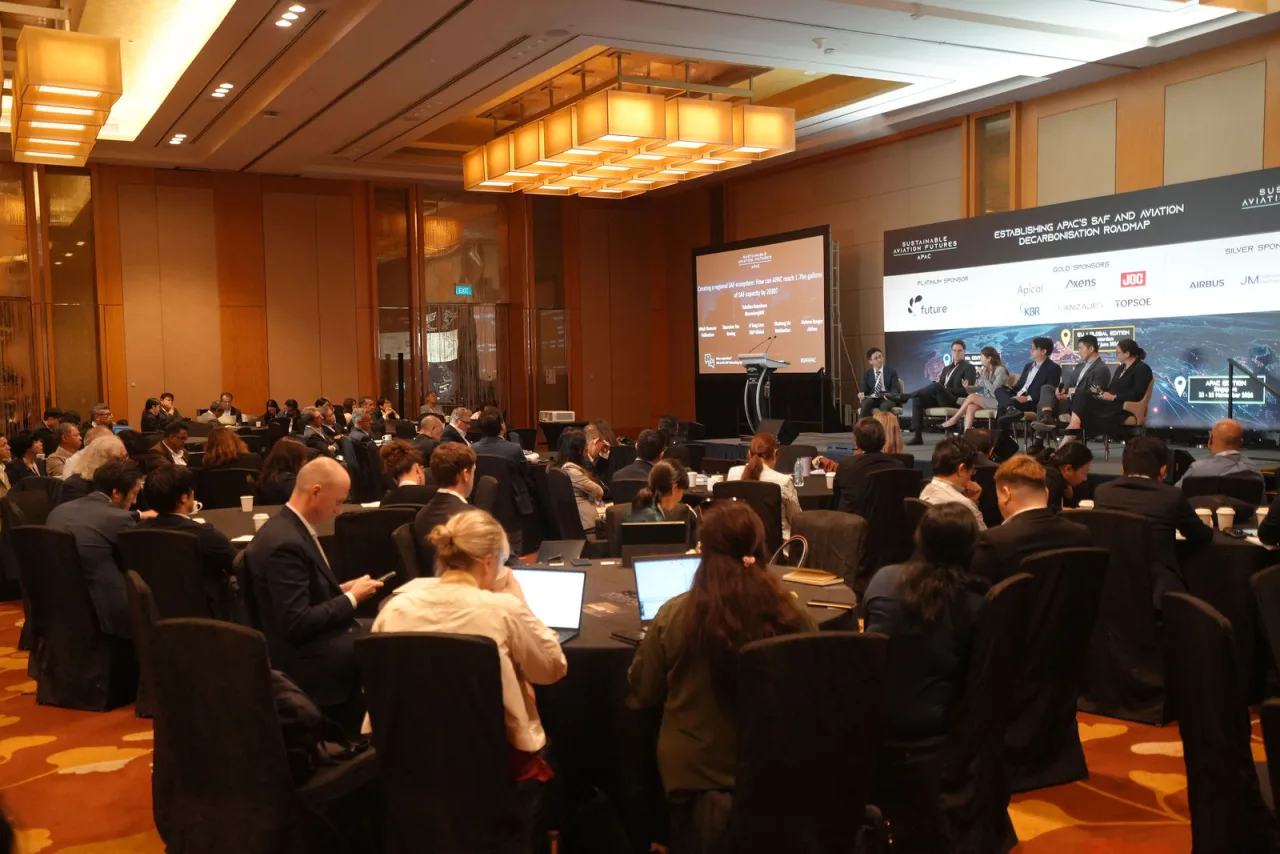
Short answer: Good conference photos come from preparation, not luck. Send your photographer four things at least one week before the event:
- the run-of-show with timings
- a shot list of must-have moments and people
- the speaker and VIP list with headshots
- venue logistics: access, loading, rooms and contacts
On the day, give the photographer one point of contact and a clear group-photo plan. Everything else in this checklist builds on those basics.
Written by Ricky Ee, Director of RS Photography. Our team has photographed conferences, summits and MICE events in Singapore since 2013.
Why a checklist matters
At a conference, the key moments are short and they don't repeat:
- the guest of honour's arrival takes 90 seconds
- the opening keynote's best expressions happen in the first ten minutes
- the sponsor's booth is busiest during one tea break
If the photographer doesn't know these moments are coming, they get missed. The checklist below is ordered by when each item is due, so it can go straight into your event timeline.
4 weeks before: book and brief
- Confirm coverage hours. Include registration and arrivals, not just the programme. Many of the best networking photos happen in the first 30 minutes.
- Decide how many photographers you need. Plan for one per area that runs at the same time: plenary, breakouts, exhibition floor, VIP room. See how much conference photography costs for budget ranges.
- Agree turnaround. Do you need same-day selects for LinkedIn, a press release or a closing-session slideshow? Agree it now: with RS Photography's EXPRESS 24™ it is free for photography when it is in the brief.
- Decide on add-ons. A highlight video, photo booth or live stream is easier to plan with one crew. See event videography rates.
- Check sponsor deliverables. Read your sponsorship contracts for promised photos ("logo visible on stage", "booth photos with delegates", "speaker photo for the sponsor's own use"). These are easy to forget and hard to recreate.
- Plan PDPA notices. Decide on signage, the registration-page notice and an opt-out method (for example, a coloured lanyard). See our PDPA event photography consent guide.
1 week before: send the photographer's pack
Send one email or shared folder with:
- Run-of-show. The final programme with times, rooms and session titles.
- Shot list. Use the template below and mark the must-haves.
- Speaker and VIP list. Names, titles, session times and a headshot for each, so the photographer can find them in a crowd of 500.
- Sponsor list. Booth numbers and the sponsor contact who should appear in photos.
- Venue details. Address, loading bay, parking, which entrance crew should use, and the venue's event manager.
- Floor plan. Room names, stage position and where the photographer can stand without blocking delegates or cameras.
- Branding. Backdrop and step-and-repeat positions, banners and on-screen slides that should appear in photos.
- Day-of contacts. One organiser contact for the photographer, plus the protocol officer if a guest of honour is attending.
- Access passes. Crew names for passes or venue security registration.
Conference photography shot list template
Copy this list and delete what you don't need.
Arrival and registration
- Exterior or venue signage with event branding
- Registration desk with delegates checking in
- Welcome area, coffee and early networking
Opening and plenary
- Wide shot of a full room from the back and from the side (take it once the room is full)
- Emcee and opening address
- Guest of honour arrival, greeting party, speech and any launch or ceremony moment
- Every keynote speaker: wide, medium and close-up, plus one with the slide or backdrop visible
- Audience reactions: listening, taking notes, applause, questions from the floor
- Panel discussion: the whole panel together, plus each panellist speaking
Breakouts and workshops
- One wide and two or three close shots per breakout room
- Hands-on activities, demos and facilitator interaction
Exhibition and sponsors
- Each sponsor booth with delegates visiting, with the logo readable
- Sponsor representatives with key visitors or the guest of honour
- Product demos and signage
Networking
- Tea breaks and lunch: small groups talking, candid not posed
- VIP lounge or bilateral meetings, if allowed
Formal photos
- Speaker portraits against the backdrop, taken right after each session
- Group photo of organisers, speakers or VIPs
- Award or certificate presentations: handshake, award held up, and a group shot
Closing
- Closing remarks, lucky draw or thank-you slide
- Organising team photo
The day before
- Re-send the final run-of-show. Programmes always change.
- Confirm crew call time. Usually 45–60 minutes before doors open, to walk the venue and test light.
- Check stage lighting with the AV team. Speakers need light on their faces, not only on the screen. Very bright LED walls behind speakers can make faces look dark in photos. A small adjustment fixes this.
- Reserve a spot for the photographer's bag and charging, ideally near the control desk.
- Arrange Wi-Fi or a hotspot if photos are to be uploaded during the day.
- Plan the group photo.
- Choose the location (stage or backdrop).
- Decide who stands where; VIPs in the centre.
- Set the time in the programme (5 minutes is enough when people know where to go).
- Arrange risers if more than 15 people.
On the day
- Brief the photographer in person for five minutes at call time: changes, VIPs, and any no-photo areas or people.
- Keep the photographer informed. Tell them about late changes, such as a guest of honour arriving early or a session swap.
- Hand out opt-out lanyards at registration and make sure the photographer knows the colour.
- Have someone ready to point out VIPs during networking. This is the fastest way to get the photos sponsors and management ask for.
- Allow meal breaks. For a full day, agree when each photographer takes a short break, so nobody is missing during a key moment.
After the event
- Agree on delivery. With RS Photography, the full edited gallery arrives within 48 hours as standard.
- Organise the gallery by session or day, so speakers and sponsors can find their photos.
- Send sponsors their photos with any credit-line requirements.
- Check usage rights before photos go into an annual report or paid advertising.
- Share speaker portraits with speakers quickly. It is a simple thank-you and they often post them, which promotes your next event.
Common mistakes to avoid
- Booking from the first session, not from registration. You lose the arrival and networking photos.
- One photographer for parallel sessions. Someone's breakout will have no photos.
- No speaker list. The photographer can't tell the CEO from a delegate.
- Group photo left to the end of the day. Half the VIPs have already left.
- Forgetting sponsor obligations until the sponsor asks for their photos after the event.
FAQ
How many photographers do we need for a conference?
One for each area that runs at the same time. A single-room conference needs one. A plenary plus two breakouts and an exhibition needs two or three during the parallel sessions.
What should we send the photographer before the event?
The final run-of-show, a shot list with must-have moments, the speaker and VIP list with headshots, the sponsor list, a floor plan and one day-of contact. Send it at least one week before.
How early should the photographer arrive?
Usually 45 to 60 minutes before doors open, to walk the venue, check stage lighting and meet the organiser and AV team.
Can we get photos during the conference for social media?
Yes. With EXPRESS 24™, agreed in your brief, edited selects arrive within the hour and the gallery within 24 hours. Plan Wi-Fi or a hotspot for uploads and agree how many photos you need and when.
How do we handle guests who don't want to be photographed?
Use a visible opt-out marker, such as a coloured lanyard or sticker handed out at registration, and brief the photographer on it. Also put a photography notice on signage and on the registration page.
Summary
A conference photographer can only capture what they know is coming. One week before the event, send:
- the run-of-show
- a shot list
- the speaker and VIP list with headshots
- venue details and one day-of contact
Plan the group photo, light the speakers' faces, and remember the sponsors' photos.
Planning a conference in Singapore? Send RS Photography your programme and venue, and we will reply with a nett quotation and a draft shot list for your event. Request a conference photography quotation
Related reading: Government event photography: GeBIZ, bizSAFE and PDPA
Let's talk
Planning an event in Singapore?
Send us the date, venue and programme. You will get a considered production plan and a fixed nett quote.