How to schedule rehearsal time before your first hybrid event
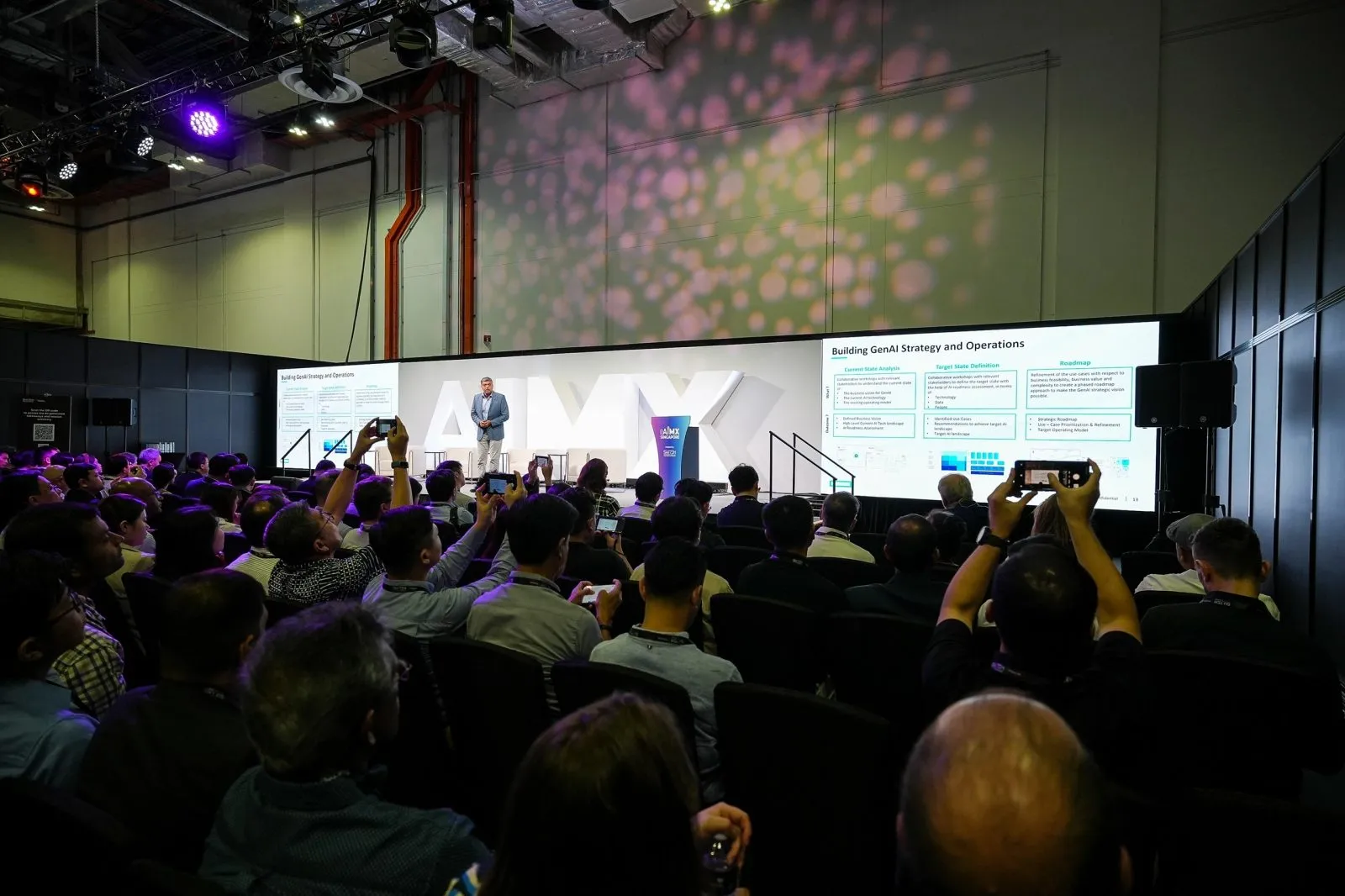
There is no single fixed duration that suits every hybrid event. What matters is scheduling a full technical run-through that tests every element going live, rather than a quick check limited to sound and camera framing.
Key takeaways
- Rehearsal length should scale with how many moving parts your hybrid event has.
- A technical run-through should test every live element, not just audio and camera framing.
- Coordinate rehearsal timing around speaker and venue availability, not just the crew's schedule.
- Run a final systems check in the minutes before going live, separate from the main rehearsal.
- Build rehearsal time into the original booking rather than adding it as an afterthought.
Why a first hybrid event benefits from extra rehearsal time
A hybrid event has more moving parts than a standard in-room event: a stream feed, remote presenters or panellists joining from elsewhere, screen shares switching between speakers, and often a remote audience watching live. Each of these is a point where something can go wrong that would never show up in a purely in-room event, such as a remote presenter's connection dropping mid-sentence or a screen share failing to switch cleanly between speakers.
For a first hybrid event, or a new production team working with a particular venue or platform for the first time, this complexity is exactly why extra rehearsal time is worth building in rather than treating rehearsal as a formality. A team that has run the same venue and platform combination many times before can often work with a shorter rehearsal, since they already know where the usual friction points sit.
What a technical run-through tests before go-live
A proper technical run-through covers more than checking that microphones work. Useful elements to test include each remote presenter's connection individually, the handoff between in-room and remote speakers, screen-share switching between different presenters' devices, audio levels between the room and the stream feed, and how the stream itself looks and sounds from a viewer's perspective rather than only from the production desk.
Running through the actual programme order, even briefly, rather than testing each element in isolation, also catches transition problems that only show up when moving from one segment to the next under something closer to real conditions. A rehearsal that only tests individual pieces in isolation can look perfectly fine while still missing the specific moment where two elements interact badly together.
Coordinating rehearsal timing with speakers and the venue
Rehearsal needs to work around more than the production crew's schedule. Remote presenters need to be available to join a test call, in-room speakers need to be present to check microphones and camera framing, and the venue needs to allow access to the space and its systems ahead of the actual event. Coordinating all three calendars for a proper rehearsal window takes more advance planning than booking the crew alone.
Raise rehearsal scheduling with your live streaming crew as soon as speakers are confirmed, so a workable window can be found before everyone's calendars fill up closer to the event date. If a remote presenter is in a different time zone, confirm the rehearsal slot works on their clock as well as yours, since a rehearsal scheduled only around local convenience can be difficult for an overseas speaker to attend.
What to check in the final minutes before going live
Separate from the main rehearsal, run a shorter final systems check in the minutes before the stream goes live. This is a last confirmation that connections are still stable, that nothing changed since the earlier rehearsal, and that remote presenters who tested successfully earlier are still connected and ready. Conditions can shift between an earlier rehearsal and the actual go-live moment, particularly with remote connections outside the venue's control.
Assign one person the specific job of confirming this final check is complete before the programme starts, rather than assuming it happened because the earlier rehearsal went smoothly. This is a small task, but skipping it on the assumption that everything is still fine is one of the more preventable causes of an awkward start to a hybrid programme.
Building rehearsal time into the original booking
Rehearsal time works best when it is part of the original booking discussion rather than requested once the event date is close. Flag that this is a first hybrid event, or that it involves an unfamiliar venue or platform, when you first scope the project, so the crew can plan for a fuller technical run-through from the start.
This is particularly worth raising for events with several remote presenters or a complex programme with many segment changes, since these are exactly the events where an under-rehearsed technical setup is most likely to show on the actual stream. A short conversation at the booking stage saves far more time than trying to fit extra rehearsal in once the schedule has already been locked.
Questions organisers ask
How much rehearsal time should be scheduled before a first hybrid event?
There is no single fixed duration, since it depends on how many remote presenters, screen-share handoffs and programme segments your event involves. Scale the rehearsal to test every live element rather than working to a set length regardless of complexity.
What does a technical run-through typically test?
It tests each remote presenter's connection individually, the handoff between in-room and remote speakers, screen-share switching, and audio levels between the room and the stream feed, ideally reviewed from a viewer's perspective rather than only from the production desk.
Should rehearsal include the actual programme order?
Yes, at least briefly. Testing elements in isolation can miss transition problems that only appear when moving between segments under conditions closer to the real event.
Is a final check needed right before going live, separate from rehearsal?
Yes. Conditions can change between an earlier rehearsal and the actual go-live moment, particularly for remote connections outside the venue's control, so a short final systems check just before the programme starts is worth building in.
Talk to us about rehearsal scheduling for your first hybrid event through live streaming and hybrid events.
Related reading: Event Live Streaming Singapore · Event Live Streaming in Singapore: Costs & How It Works · Conference Photography Singapore.
More guides: Should the photography crew join the technical rehearsal · What drives a hybrid town hall live streaming quote · Live streaming a hybrid conference at Marina Bay Sands.
Let's talk
Planning an event in Singapore?
Send us the date, venue and programme. You will get a considered production plan and a fixed nett quote.