Should the photography crew join the technical rehearsal
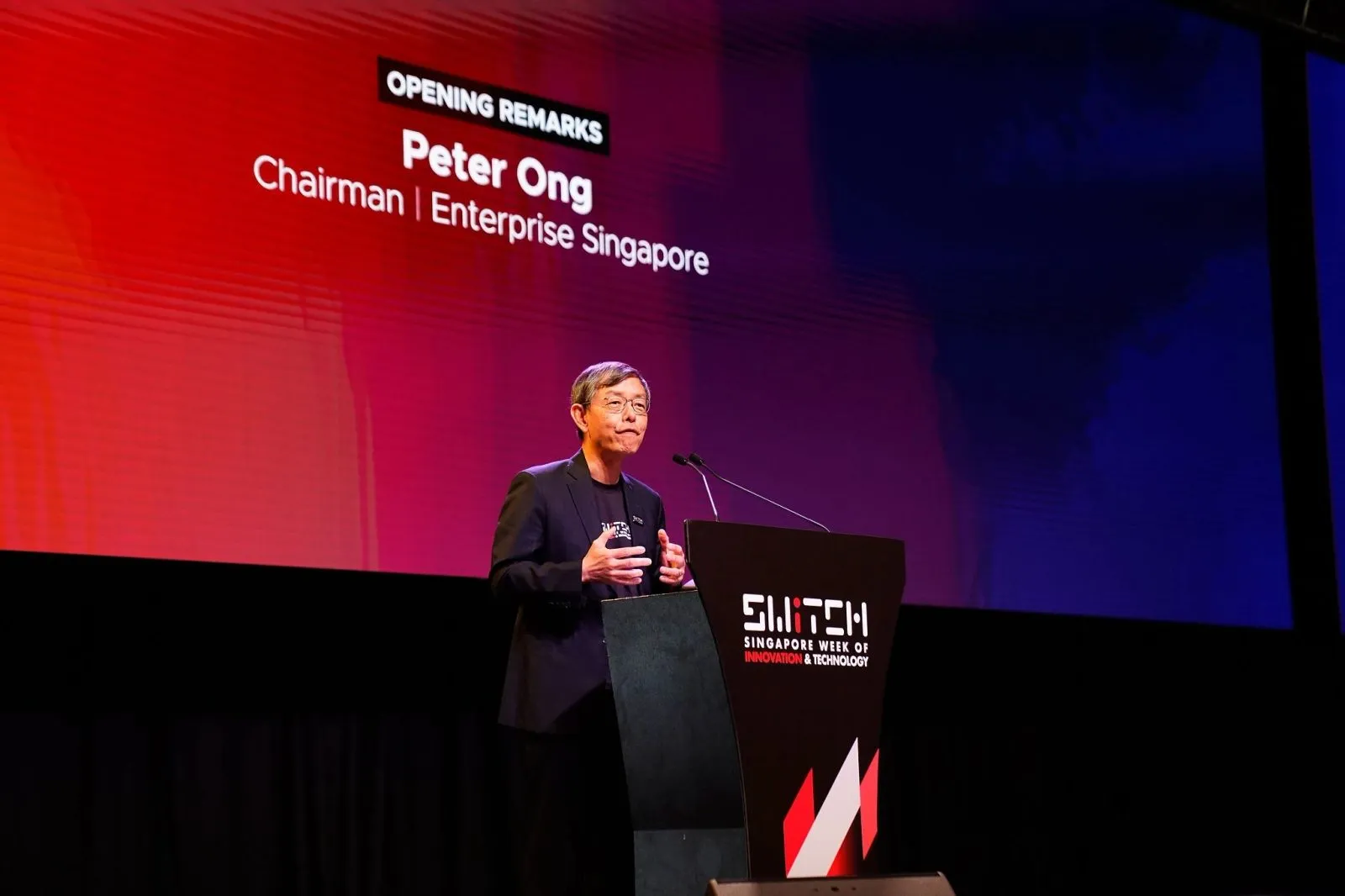
The photography crew should join the technical rehearsal when the event is hybrid or live streamed, since the photographer's position can overlap with camera angles the streaming team has already planned, and it is far easier to resolve on rehearsal day than live.
Key takeaways
- A joint rehearsal matters most for hybrid or multi-camera live streamed events, not simple single-photographer bookings.
- Photographer positioning can block a streaming camera's sightline if not checked together beforehand.
- Lighting set for the stream can under-expose or overexpose stills unless the photographer sees it in advance.
- A joint rehearsal is usually a short add-on to the streaming team's own technical check, not a separate long session.
- Confirm final positions before the event day itself, not as a first attempt during the live programme.
Why photographer positioning can affect streaming camera angles
A live streaming setup usually has fixed or pre-planned camera positions, wide shots of the stage, a tighter angle on the speaker, sometimes a roaming camera for audience reaction. A photographer moving freely around the room to get their own coverage can unintentionally walk into one of these frames, especially near the stage or during a presentation moment where both crews want a similar angle. Remote viewers watching the stream will notice a stray photographer far more readily than someone sitting in the room would.
This is rarely a problem with a single static camera in a back corner. It becomes a real consideration with multi-camera live streaming, where several angles are covering the stage from different points and a photographer's movement path needs to work around all of them rather than just one, particularly during a panel where speakers face different directions.
When a joint rehearsal is worth scheduling
A joint rehearsal earns its place on events where the photographer and streaming crew are both working the same stage closely: panel discussions with multiple speakers, award ceremonies with a stage walk, or any hybrid event where remote viewers are seeing the same moments the photographer is trying to capture. For a single-room talk with one static stream camera and a photographer working the audience side, a full joint rehearsal is usually unnecessary and can be skipped without much risk.
The decision point is really about camera density. The more cameras working the same stage, the more useful it is for everyone to walk through positioning together once before the event starts, rather than improvising around each other live in front of an audience that is also being streamed to people who are not in the room.
What gets tested together versus separately
Not everything needs to be tested jointly. Audio levels, streaming connection stability and screen-share transitions are the streaming crew's own technical check and do not need the photographer present, and adding them to a joint rehearsal only slows the process down for both teams. What benefits from a joint pass is purely physical: confirming where each camera stands or moves, checking that the photographer's position during a key moment does not sit in a streaming camera's frame, and agreeing a signal for moments when someone needs to reposition quickly.
Lighting is worth checking together too. A stage lit for a camera's exposure settings can look very different through a photographer's lens, and seeing this in rehearsal rather than live avoids a surprise during the actual programme, particularly if the streaming crew is using a lighting level the photographer has not worked with before.
Confirming positions before the actual event day
Where a joint rehearsal is not practical, for instance the streaming crew is only available the morning of the event, a shorter alternative works: a quick walk-through with both crews looking at the floor plan and agreeing rough zones before doors open. This is not as thorough as a full rehearsal but resolves the most common conflict, both crews wanting the same spot at the same moment during a key segment.
Either way, the goal is the same: positions agreed before the programme starts, not worked out live in front of an audience and, for a hybrid event, in front of remote viewers as well. A quick verbal agreement is far better than no agreement at all.
Briefing this alongside the rest of the event day
This is worth raising at the same time the shot list and floor plan are being finalised, rather than as a separate conversation closer to the date. If both the photographer and the streaming crew are booked through the same coordination point, this becomes a simple addition to the existing briefing call rather than an extra meeting to schedule on top of an already busy pre-event timeline.
For events where photography and streaming are already booked together, this coordination tends to happen naturally as part of planning the day, rather than needing to be arranged separately after the fact, since one team is already thinking about how both crews fit into the same run sheet.
Questions organisers ask
Does the photographer always need to attend the technical rehearsal?
Not always. It matters most for hybrid or multi-camera live streamed events where positioning can overlap. A simple single-camera stream with a photographer working the audience side rarely needs a full joint rehearsal.
What does a joint rehearsal test?
Mainly physical positioning: where each camera and the photographer will stand, whether any position blocks a streaming camera's sightline, and how lighting set for the stream looks through the photographer's lens. Audio and connection checks remain the streaming crew's own separate test.
How long does a joint rehearsal usually take?
It is usually a short add-on to the streaming team's own technical check, not a separate long session, since it is mainly confirming positions and sightlines rather than running the full programme.
What happens if a joint rehearsal isn't possible before the event?
A shorter walk-through using the floor plan, agreeing rough zones for each crew before doors open, resolves most of the same issues. It is less thorough than a full rehearsal but still avoids the most common conflicts.
Booking photography alongside live streaming for a hybrid event? Tell us about the streaming setup when you brief us and we will plan positioning around it. Get in touch to start the conversation.
Related reading: Event Live Streaming Singapore · Corporate Event Photographer Singapore · Event Live Streaming in Singapore: Costs & How It Works.
More guides: How to schedule rehearsal time before your first hybrid event · Should your photographer join the venue walkthrough with the AV team?.
Let's talk
Planning an event in Singapore?
Send us the date, venue and programme. You will get a considered production plan and a fixed nett quote.