What happens if the connection drops mid-stream
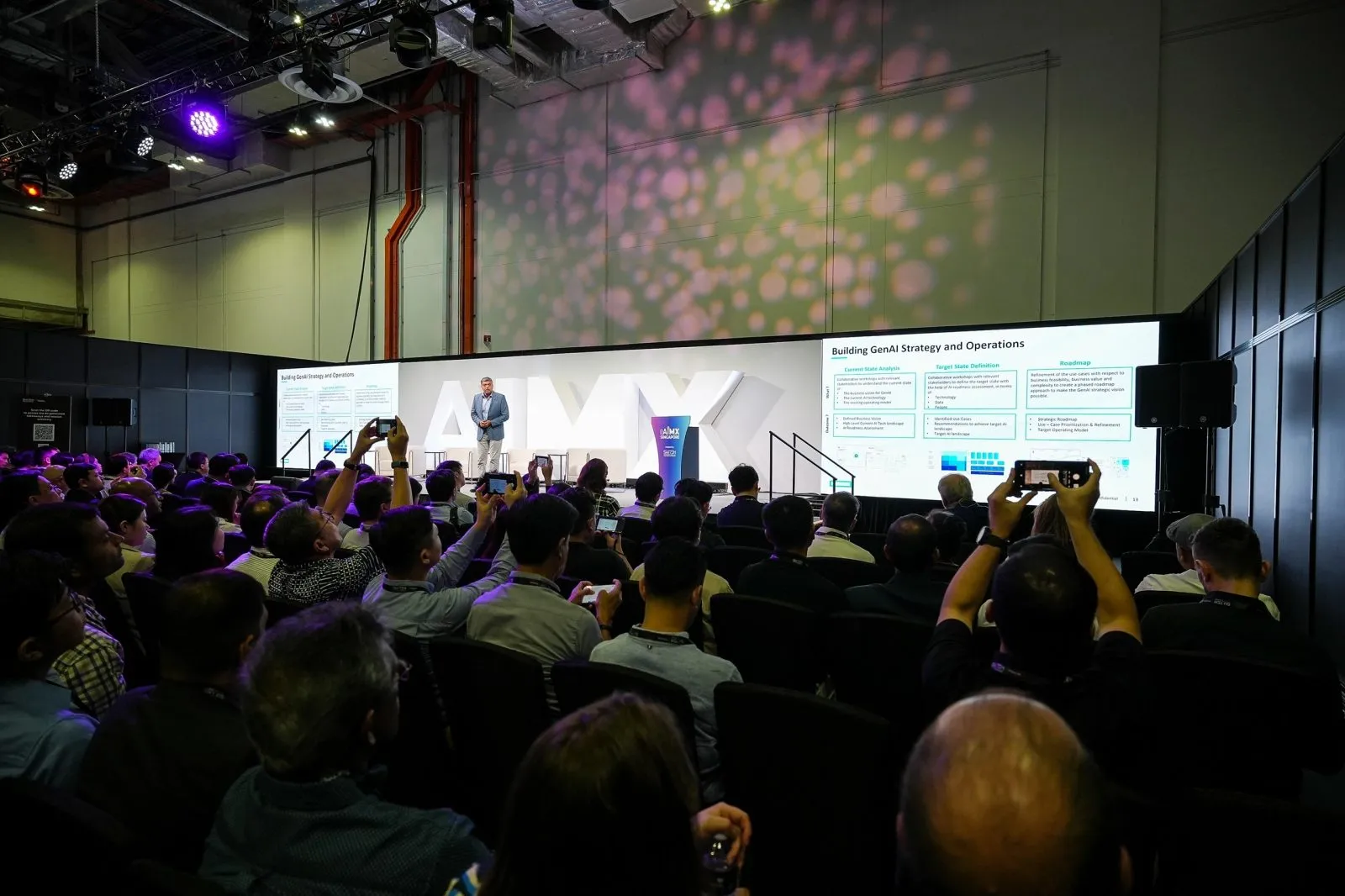
A properly planned live stream reduces the risk of a dropped connection through redundant encoding, running a backup feed alongside the primary one so a failure on one connection does not take the whole broadcast down. Testing this setup during rehearsal, rather than trusting it untested on the day, is what makes the backup plan reliable.
Key takeaways
- A dropped connection during a keynote or formal proceeding is one of the most common fears for organisers streaming an event.
- Redundant encoding runs a backup feed alongside the primary connection to reduce the risk before a failure happens.
- Even with redundancy, a vendor should have a clear fallback plan for what happens if the primary connection still fails.
- Testing connection reliability during rehearsal, not on the event day itself, catches problems while there is still time to fix them.
- Asking a vendor directly about their contingency plan is a fair and useful shortlisting question.
Why a dropped connection is the biggest fear for a keynote stream
For an organiser streaming a keynote, a formal proceeding or a hybrid conference to a remote audience, a connection dropping mid-stream is one of the most disruptive things that can happen. Unlike a recorded video that can be re-edited, a live stream interruption happens in front of the audience watching in real time, with no way to quietly fix it afterward.
This is exactly why redundancy planning matters more for live streaming than for most other event production work: the cost of a failure is immediate and visible, rather than something that can be corrected in post-production. It is worth raising this concern directly with a vendor early, rather than assuming it has already been accounted for.
How redundant encoding reduces the risk before it happens
Redundant encoding means running the stream through more than one connection or encoding path at once, so that if one connection fails, the backup keeps the broadcast going without the audience noticing an interruption. This is standard practice for multi-camera live streaming of formal or high-stakes events, rather than relying on a single internet connection with no fallback.
This does not eliminate risk entirely, since no setup is completely immune to failure, but it substantially reduces the chance that a single point of failure takes down the whole broadcast. Building this into the setup from the start costs less in disruption than trying to add a fallback after a connection has already failed once.
What a backup plan looks like if the primary connection still fails
Even with redundant encoding, a professional streaming setup should have a clear next step if both the primary and backup connections run into trouble, rather than leaving the crew to improvise on the spot. This might mean a secondary internet source already set up as a fallback, or a clear procedure for reconnecting quickly with minimal disruption to the audience.
Ask a vendor directly what their plan is if the worst happens, rather than assuming redundancy alone covers every scenario. A vendor who can describe this plan clearly and specifically is a good sign they have thought it through, rather than treating redundancy as a checkbox.
Testing connection reliability during rehearsal, not on the day
The best time to discover a connection problem is during a rehearsal or a technical run-through before the event, not during the live broadcast itself. Testing the venue's internet connection, the backup path and the switch-over process ahead of time catches issues while there is still time to bring in an alternative solution.
Skipping this step to save time before the event is a common mistake that only becomes obvious when something goes wrong live, at which point there is no time left to fix it properly. A short rehearsal the day before, even a brief one, is usually enough to surface a connection issue that would otherwise only appear live.
What to ask a vendor about their failure contingency
A useful shortlisting question is simply asking a vendor to walk through what happens, step by step, if the connection drops during the event. A vendor with real experience in this setup should be able to describe their redundancy approach and fallback plan clearly and specifically, rather than giving a vague reassurance that it will be fine.
It is also worth asking whether they test this setup during rehearsal as standard practice, since a vendor who treats testing as routine is generally more reliable than one who only reacts to problems as they occur.
Questions organisers ask
Does a professional live streaming vendor have a backup plan for connection failure?
A properly set up vendor runs redundant encoding, a backup feed alongside the primary connection, and should also have a clear next step if both connections run into trouble during the event. Asking a vendor to describe this plan specifically, rather than accepting a vague reassurance, is a fair way to check they have thought it through.
How does redundant encoding reduce the risk of a dropped feed?
Redundant encoding runs the stream through more than one connection or encoding path at once, so a failure on one does not necessarily take down the whole broadcast. This does not remove all risk, but it substantially reduces the chance that a single point of failure interrupts the stream in front of a live audience.
Why should connection reliability be tested during rehearsal instead of on the event day?
A rehearsal or technical run-through is the best time to catch a connection problem, while there is still time to bring in an alternative solution before the live broadcast. Skipping this step to save time before the event only becomes a problem once something fails during the actual stream, when it is too late to fix properly.
What should be confirmed with a vendor about their connection failure contingency?
It is worth asking the vendor to walk through, step by step, exactly what happens if the connection drops during the event, including whether a secondary internet source is already set up as a fallback. A vendor with genuine experience should describe this clearly and specifically rather than offering a vague assurance.
For multi-camera live streaming with redundant encoding built into the setup, see our live streaming page for how coverage is planned, tested and backed up before your event goes live.
Related reading: Event Live Streaming Singapore · Event Live Streaming in Singapore: Costs & How It Works · Contact RS Photography — Get a Singapore Event Quote.
More guides: Planning for an unreliable venue network before you live stream · Multi-camera live streaming with redundant encoding, explained.
Let's talk
Planning an event in Singapore?
Send us the date, venue and programme. You will get a considered production plan and a fixed nett quote.