How crew size scales for live streaming a large conference
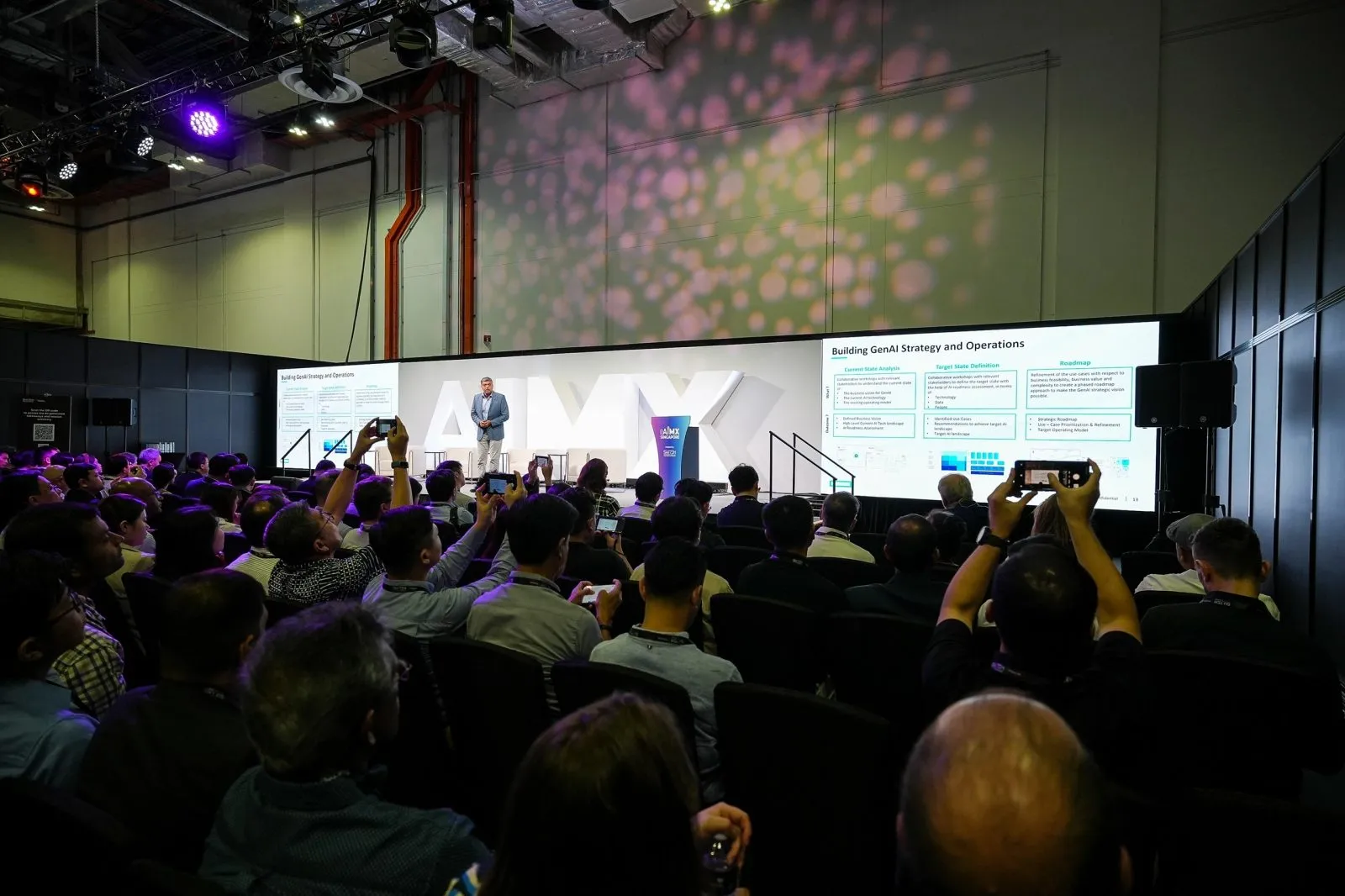
There is no single fixed number of streaming technicians that suits every conference; the right crew size depends on venue size, how many cameras and screens are involved, and whether encoding redundancy is required. The safest approach is asking a vendor to size the crew against your actual programme rather than assuming a standard team fits every hall.
Key takeaways
- Crew size for streaming is driven by venue size, camera count and screen count, not attendee numbers alone.
- A wider stage or a panel discussion with several speakers typically needs more cameras than a single-podium keynote.
- A second technician is sometimes needed purely for encoding redundancy, separate from camera operation.
- A multi-hall or multi-session programme needs crew sized for parallel coverage, not a single team moving between rooms.
- Confirming crew size and roles in writing before the event avoids ambiguity about who is doing what on the day.
Why venue size and screen count drive technician headcount
A small meeting room with one screen and one speaker needs far less crew than a large hall with multiple large screens visible from different seating sections. Larger venues generally need more camera angles to keep the feed engaging and more technical attention to keep everything synchronised across the room's screens.
There is no fixed formula that applies to every venue, since a hall's layout, sightlines and existing AV setup all affect how many people are needed on the day. This is why crew size is usually confirmed against the specific venue rather than assumed from attendee count alone.
Camera count relative to stage width and audience size
A single speaker at a podium can often be covered well with fewer cameras than a wide stage with a panel discussion, multiple presenters, or product demonstrations that need close-up coverage. More cameras generally mean more people needed to operate and switch between them live, rather than one technician trying to manage several angles alone.
Audience size matters too, less for the streaming feed itself and more for whether cutaway shots of the audience are wanted, which adds another camera position and another person to the crew. Walking through the actual stage plan with a vendor, rather than describing it in general terms, is the fastest way to get an accurate camera count.
When a second technician is needed for encoding redundancy alone
For an event where the stream absolutely cannot drop, a formal proceeding or a keynote treated as an official record, a second technician is sometimes brought in purely to manage a redundant encoding setup, separate from anyone operating a camera. This role exists specifically to catch a connection failure before it interrupts the broadcast.
This is a different consideration from camera count and is worth raising as its own question with a vendor: is redundancy handled by an existing crew member doing double duty, or is there a dedicated person watching the backup connection.
Scaling crew for multi-hall or multi-session streaming
A conference running parallel sessions in different halls, or streaming from more than one location at once, needs crew sized for genuinely parallel coverage rather than one team moving between rooms during breaks. Trying to cover two simultaneous sessions with one travelling crew usually means one session is under-covered.
This scales the crew size question up considerably compared with a single-hall event, and it is worth discussing early in planning rather than assuming the standard team for a single session will stretch to cover a multi-hall programme. The number of parallel sessions, more than the total attendee count, is usually the better starting point for this conversation.
Confirming crew size in writing before the event
Once venue, camera count and redundancy needs are discussed, get the agreed crew size and roles confirmed in writing before the event, not left as a verbal understanding. This avoids ambiguity on the day about who is responsible for what, particularly if something unexpected comes up during the programme.
A written confirmation also gives both sides a clear reference point if the programme changes close to the event date, since a change in stage layout or an added session may reasonably change the crew size originally agreed. Reconfirming this a week before the event, once the programme is finalised, catches any last change before it becomes a problem on the day.
Questions organisers ask
How many streaming technicians does an 800-seat conference need?
There is no single fixed number that applies to every venue of that size; the right crew depends on how many cameras are needed for the stage layout, how many screens are being fed, and whether a dedicated redundancy technician is required. The most reliable approach is asking a vendor to size the crew against the actual hall and programme rather than a generic seat count, since two venues holding the same audience can still need very different crew sizes.
Does screen count affect crew size beyond camera count?
Yes, more screens visible from different seating sections generally need more technical attention to keep the feed synchronised across the room, separate from how many cameras are used to film the stage. A venue with several large screens typically needs more crew attention than a single-screen room of similar size.
When is a dedicated redundancy technician needed instead of just extra cameras?
A dedicated redundancy technician is worth having for a formal proceeding or an official-record event where the stream cannot afford to drop, separate from anyone operating a camera. This role exists specifically to manage a backup connection so a failure does not interrupt the broadcast.
How does crew size change for a multi-hall conference programme?
A conference with parallel sessions in different halls needs crew sized for genuinely simultaneous coverage, rather than one team moving between rooms during breaks. This is a considerably larger crew requirement than a single-hall event and is worth planning for early rather than assuming a standard team will stretch to cover it.
To size a streaming crew correctly for your venue and programme, see our live streaming page, or our guide on crew sizing for conference photography for the same underlying logic applied to photographers, so both teams can be scoped together.
Related reading: Event Live Streaming Singapore · Conference Photography Singapore · How Many Photographers Does Your Conference Need?.
More guides: What to brief your live streaming technicians before event day · Your live streaming crew cancelled before the event: what to do next · Live streaming a corporate event in Singapore: costs & how it works.
Let's talk
Planning an event in Singapore?
Send us the date, venue and programme. You will get a considered production plan and a fixed nett quote.