Covering a restricted-publicity event: the photography protocol
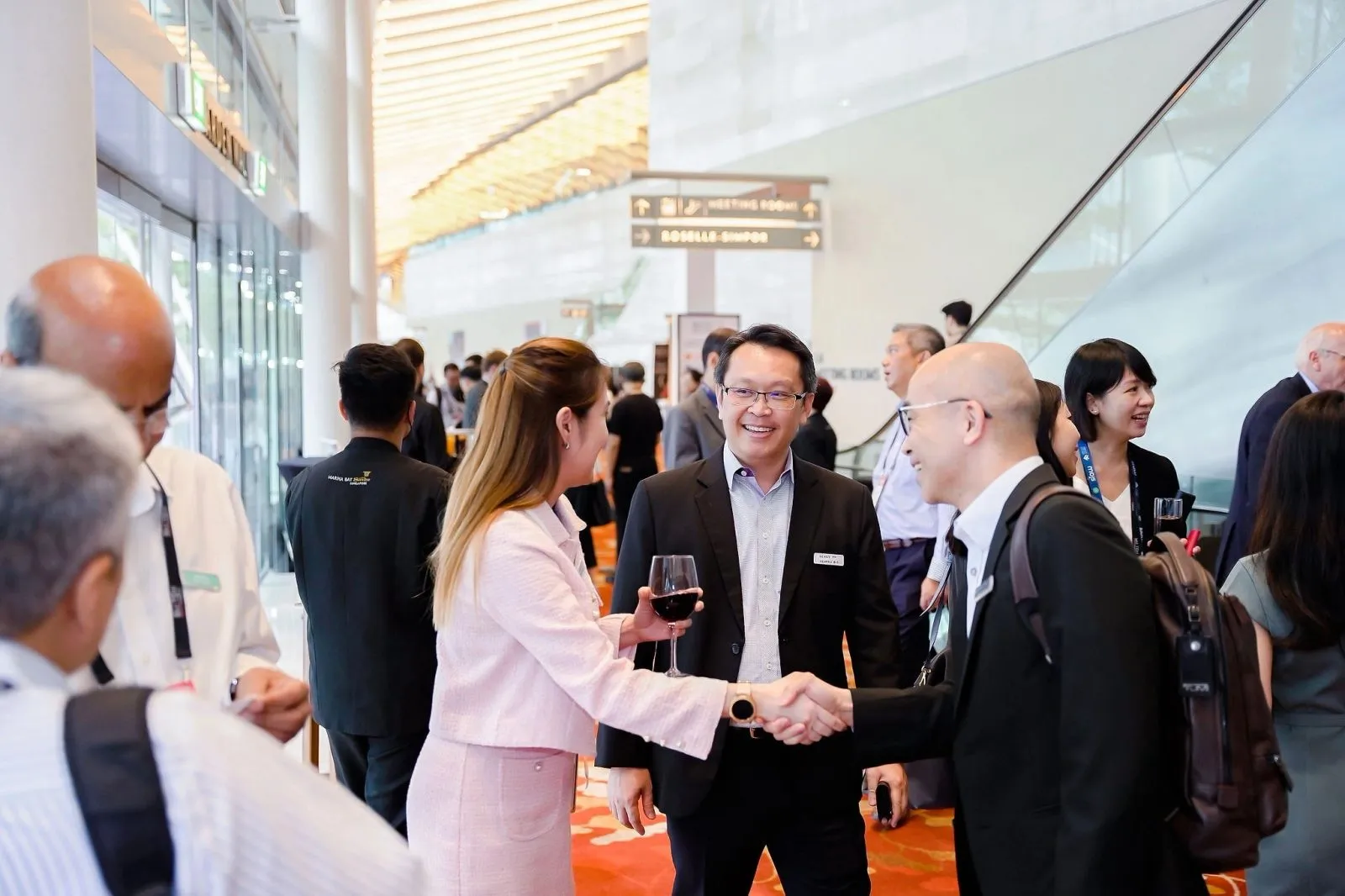
A restricted-publicity brief tells the photographer which attendees, moments or areas cannot appear in released images, and coverage is planned around that from the start rather than edited around it afterwards. Nothing goes out publicly until the organiser has reviewed and signed off on the final selection.
Key takeaways
- Restricted-publicity instructions need to be specific: named individuals, particular sessions, or entire areas that are off limits to photography.
- The photographer plans framing and positioning around these restrictions during the event, not only during editing afterwards.
- A sign-off step before release gives the organiser a final check that nothing restricted made it into the public set.
- A clear written brief, shared before the event, is more reliable than verbal instructions given on the day.
- If a restricted moment is captured by accident, it is flagged and held back rather than included in the delivered gallery.
What restricted-publicity typically means for a brief
A restricted-publicity event is one where some or all of what happens cannot appear in publicly released photography, for reasons that vary: a closed-door session, attendees who need to stay unidentified, or a moment the organiser wants documented internally but not shared outside the room. The brief needs to spell out exactly what falls into this category, since a general instruction like keep it low-key is too vague for a photographer to act on with confidence.
A useful restricted-publicity brief names specifics: which individuals should not be identifiable, which sessions or moments are off the record entirely, and whether the restriction applies to all use or only to certain channels, such as public social media versus an internal report. The more specific the brief, the less the photographer has to guess on the day.
Avoiding identifiable faces or moments where required
Once the restrictions are clear, the photographer adjusts how they shoot rather than only how they edit afterwards. This might mean framing a wide shot of a room without focusing on a restricted individual's face, capturing hands and materials on a table rather than the people around it, or simply not photographing a session flagged as off the record at all.
Planning this in advance matters because it is far easier to avoid capturing a restricted moment than to try to recover from having captured it. A photographer briefed clearly before the event can make these framing decisions instinctively as they shoot, rather than needing to stop and think through each restriction moment by moment while trying to keep pace with a live event.
Getting sign-off before anything is released
Even with careful shooting, a sign-off step before release is worth building into the process for any restricted-publicity event. This means the organiser, or whoever is authorised to review, sees the final selection before it goes anywhere public, giving a last check that nothing restricted made it through.
This does not need to be a slow process. A gallery link shared for review, with a short window to flag anything that should be pulled before wider release, is usually enough. What matters is that this step is agreed as part of the brief from the outset, rather than assumed, so the photographer knows the delivered set is a review draft rather than something ready to publish immediately on receipt.
Briefing the photographer on these restrictions clearly
Restrictions communicated only verbally on the morning of the event, in the middle of everything else being set up, are the most likely to be missed or half-remembered under pressure. A written brief, shared with enough lead time for the photographer to read it properly, is far more reliable and gives them something to refer back to during the event if a situation is not immediately clear.
It also helps to name one person on the organiser's side who can answer a quick question if the photographer is unsure whether a particular moment falls under a restriction. Having that contact identified in advance, rather than figuring out who to ask during a live event, keeps the coverage moving without the photographer having to guess and hope they guessed correctly.
What happens if a restricted moment is captured by accident
Even with a careful brief, a restricted individual or moment can occasionally end up in a frame, particularly in a crowded room where framing around one person is not always possible. When this happens, the standard approach is to flag the image during editing and hold it back from the delivered gallery rather than include it and rely on the organiser to catch it during review.
This is one reason the sign-off step matters even when the photographer has been careful throughout. It is a second layer of review, not a substitute for careful shooting, and having both in place gives the organiser confidence that a restricted-publicity event is being handled with the seriousness it needs, rather than left to chance on the day.
Questions organisers ask
Can identifiable attendees still appear in any photos at all?
Yes, restrictions usually apply to specific individuals, sessions or areas rather than the entire event, so other attendees and general coverage can still be photographed and released normally. The brief should be specific about exactly who or what is restricted so the photographer knows where the line sits.
Who signs off on images before they're released?
This is typically the organiser or a specific person they authorise to review the gallery before wider release. Agreeing who that person is, as part of the brief, avoids delay or confusion when the review step comes up after the event.
How specific does a restricted-publicity brief need to be?
As specific as possible. Naming individuals, sessions or areas that are off limits gives the photographer clear instructions to work from, while a vague request to be discreet leaves too much open to interpretation during a live event.
What happens if a restricted image is captured by mistake?
It is flagged during editing and held back from the delivered gallery rather than included and left for the organiser to catch. The sign-off review before release adds a second check on top of this, so a mistake at the shooting stage does not automatically become a mistake at release.
If your event has restricted-publicity requirements, our government events page covers how we typically brief and shoot around them, or you can outline the specifics through our contact page.
Related reading: Government Event Photography Singapore — GeBIZ-Registered · PDPA & Event Photography Singapore: Practical Consent Guide · Who Owns Event Photos in Singapore? Copyright Act 2021 Guide.
More guides: Setting up a private, restricted-access live stream for internal sessions · Protocol-aware photography for government and VIP events.
Let's talk
Planning an event in Singapore?
Send us the date, venue and programme. You will get a considered production plan and a fixed nett quote.