What separates one live streaming vendor from another
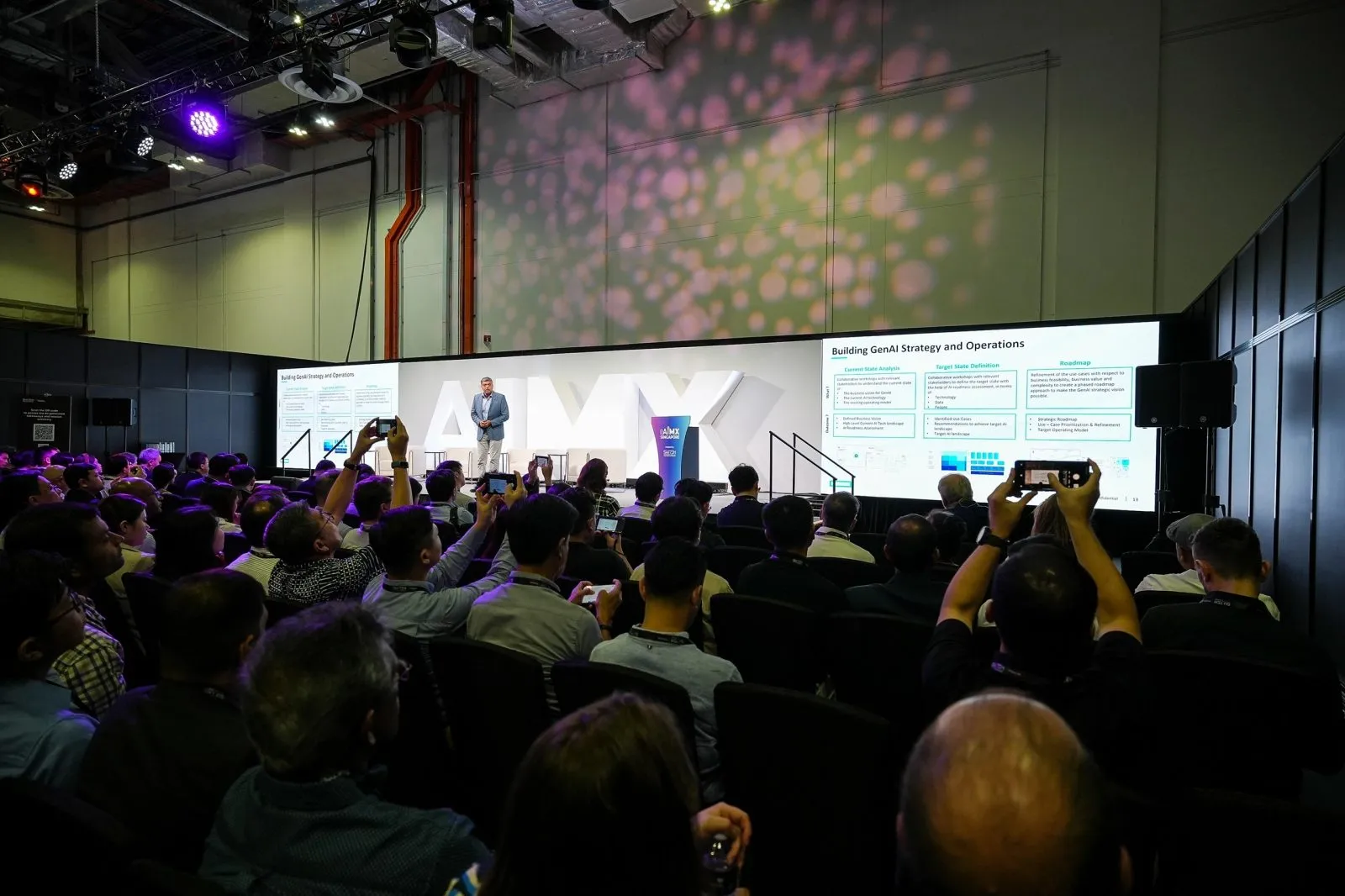
Two live streaming quotes can look almost identical on paper while hiding very different reliability, and the real differentiator is usually redundant encoding, backup connectivity and the experience of the technician running the stream, not the number of cameras listed. Asking specific questions about these three areas reveals more than comparing line-item quotes side by side ever will.
Key takeaways
- Similar-looking quotes can hide very different reliability once something goes wrong.
- Redundant encoding lets a backup path take over if the primary connection fails.
- A dedicated streaming technician catches problems before the audience notices them.
- Direct questions about backup setup and dedicated headcount reveal a vendor's real capability.
- Reliability matters most for events where the stream is the primary deliverable.
Why similar quotes can hide very different reliability
Two live streaming proposals can list the same number of cameras, a similar production quality description, and a comparable price, while one vendor runs a fragile single point of failure and the other has genuine backup built into every layer of the setup. On paper these look interchangeable. In practice, the difference only becomes visible the moment something goes wrong mid-stream, an internet connection drops, an encoder fails, and one vendor recovers within seconds while the other loses the feed entirely.
Our own live streaming service is built around avoiding exactly this kind of single point of failure, treating redundancy as a core part of the setup rather than an optional add-on.
Redundant encoding as the real differentiator, not just camera count
Redundant encoding means the stream is not dependent on a single encoder or a single internet connection to stay live. If the primary path fails, a backup path can take over, often without the audience noticing any interruption at all. This matters far more than camera count for the actual reliability of a stream, since a beautifully shot event with four cameras is worthless to a remote audience if the feed drops during the keynote and cannot recover.
Many vendors do not mention this at all in a proposal unless asked directly, since it does not show up as a visible line item the way camera count or crew size does, even though it is often the single most important factor in whether a stream holds up under pressure.
Crew experience and technician headcount to ask about
Beyond the technical setup, the experience of the technician running the stream matters considerably. A dedicated streaming technician who has handled live events before will catch problems, an audio level drifting, a camera angle that needs adjusting, a connection quality warning, before they become visible to the audience. A less experienced operator may not notice these signals until the stream has already degraded.
Asking how many people will be dedicated to the stream itself, separate from the photographers or videographers covering the room, gives a clearer sense of whether the stream has proper attention or is being managed as an afterthought alongside other coverage. A single person juggling both jobs at once is a warning sign worth asking about directly.
Questions that reveal a vendor's actual setup
A short set of direct questions tends to surface the real differences between vendors. Ask whether the stream setup includes backup encoding or a backup internet connection, and what specifically happens if the primary connection fails during the event. Ask how many people are dedicated specifically to running the stream, not the total crew count for the whole event. Ask, too, for an example of a similar past event and what platform or destination the stream was delivered to.
A vendor confident in their setup will answer these questions specifically and quickly. Vague or general answers are themselves useful information about how seriously reliability has been engineered into the offering.
Building this into your comparison checklist
Building these questions into a simple comparison checklist, rather than relying on price and camera count alone, makes it easier to compare vendors on the factors that determine whether your stream stays live. A useful checklist covers redundant encoding, backup connectivity, dedicated technician headcount, and a specific example of past delivery, scored consistently across every vendor being considered.
This is particularly worth doing for any event where the stream itself is the primary deliverable, a hybrid conference with a large remote audience, rather than a smaller internal event where a brief interruption matters less. The extra time spent on this checklist is small compared to the cost of a stream failing during the actual event.
Questions organisers ask
What should I compare beyond price when choosing a live streaming vendor?
Redundant encoding, backup internet connectivity, and the number of people dedicated specifically to running the stream are worth comparing beyond price and camera count. These factors determine how a vendor's setup holds up if something goes wrong mid-event.
Why does redundant encoding matter for a reliable stream?
Redundant encoding means the stream is not dependent on a single encoder or connection to stay live, so a backup path can take over if the primary one fails, often without the audience noticing. Without this, a single technical failure can end the stream entirely during the event.
How many people should be dedicated to running a live stream?
This depends on the scale and complexity of the event, but it is worth asking specifically how many people are dedicated to the stream itself, separate from photographers or videographers covering the room. A stream managed as an afterthought by a busy crew is more likely to miss small problems before they become visible to the remote audience.
What happens if a live stream's internet connection fails during an event?
With backup connectivity built into the setup, a secondary connection can take over with minimal or no visible interruption to the audience. Without a backup, the stream typically drops entirely until the connection is restored, which can mean missing a significant part of the programme for anyone watching remotely.
If you are comparing live streaming vendors for an upcoming event, our live streaming page sets out how our setup is built for reliability.
Related reading: Event Live Streaming Singapore · Event Photography & Videography Rates Singapore · Event Live Streaming in Singapore: Costs & How It Works.
More guides: What to compare between live streaming vendors · Multi-camera live streaming with redundant encoding, explained · What to brief your live streaming technicians before event day.
Let's talk
Planning an event in Singapore?
Send us the date, venue and programme. You will get a considered production plan and a fixed nett quote.